Choosing the Right Replacement Band for Garmin Smartwatches
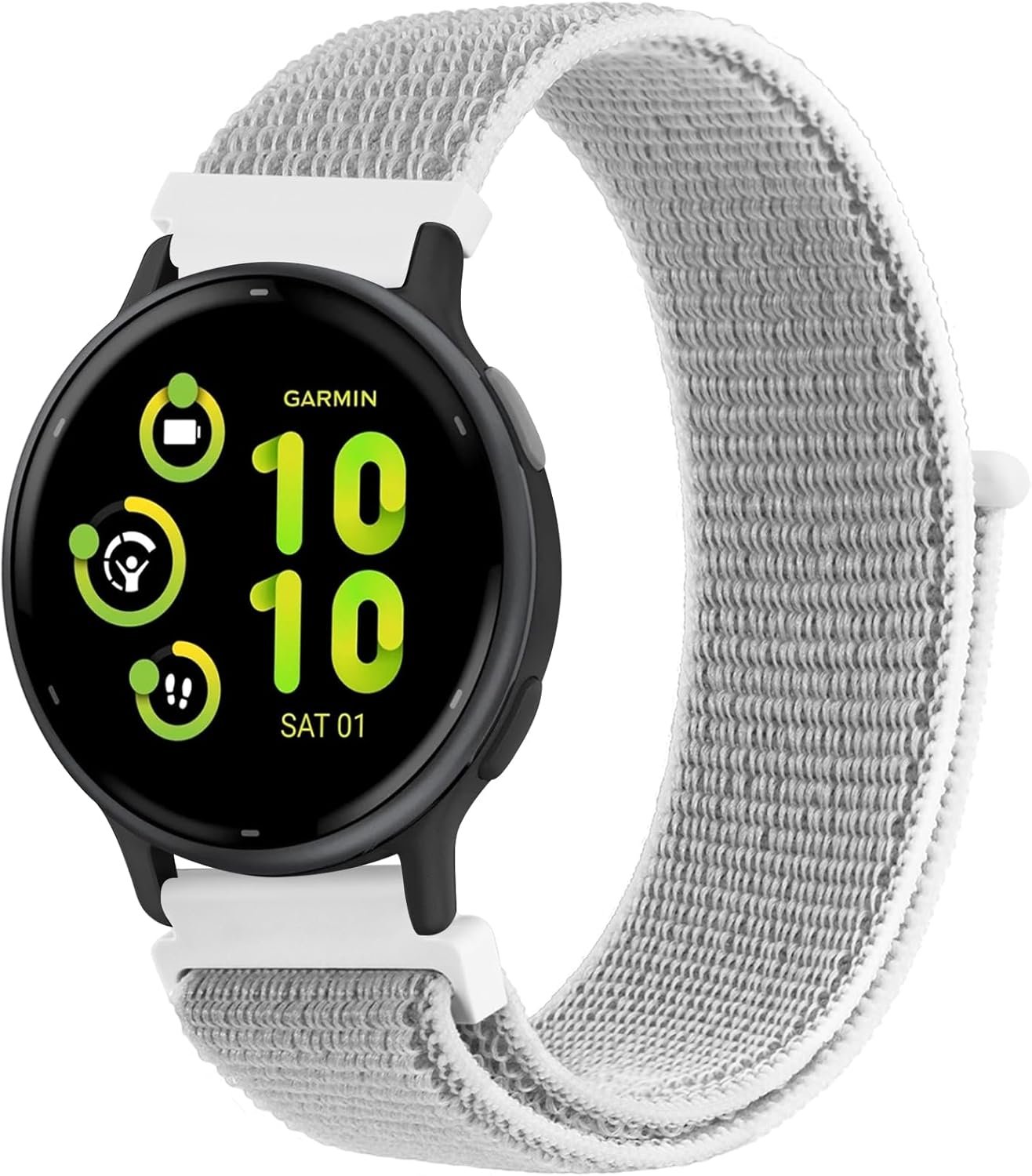
Selecting a replacement watch band affects more than aesthetics; it can influence sensor alignment, skin comfort, and everyday usability for active and mixed-use wearers. Buyers considering a third-party nylon strap should weigh how the material, fastening method, and size range interact with specific Garmin models and their typical activities. For runners, cyclists, or gym users, a breathable, adjustable strap that maintains stable contact with the optical heart-rate sensor can reduce motion artifact during workouts. Office or casual users prioritize comfort for long wear, low profile bulk under shirts, and color options that match wardrobes. Compatibility with watch lug width and connector type is critical for reliable mechanical fit and to avoid damaging device connectors. Longevity considerations include abrasion resistance, sweat and moisture handling, and the seller warranty period. This overview presents the Meliya nylon band’s characteristics in relation to common user needs and wearable-device evaluation principles so readers can assess suitability without assuming changes to watch electronics or software.
Quick Overview
| Feature | Details |
|---|---|
| Product category | Third-party nylon replacement band for Garmin smartwatches |
| Compatible models | Garmin Venu, Venu Sq, Venu 2 Plus, Vivoactive 5, Vivoactive 3, Vivomove series, Forerunner 55/245/645, and select other Garmin models listed by the seller |
| Supported tracking metrics (watch-dependent) | Heart rate, GPS-based distance, step count, sleep, SpO2 (handled by host watch sensors) |
| Sensors & hardware components | Replacement strap only; does not contain sensors. Affects mechanical contact with watch sensor window |
| Battery life expectations | Strap does not alter watch battery; nylon is lightweight and unlikely to add load |
| Platform compatibility | Mechanical compatibility with listed Garmin lugs and quick-release connectors; software functionality remains with Garmin OS and mobile apps |
| Durability & resistance | Nylon material; no official IP or abrasion rating provided by seller |
| Sizing & fit | One size fits wrists approximately 140–230 mm; adjustable buckle with double-hold design |
| Warranty & support | Seller-stated 12-month unconditional refund or replacement |
The table summarizes how the Meliya nylon strap translates to user suitability: it is a mechanical accessory designed to fit many Garmin wrist devices, offering breathable textile comfort and adjustable sizing for active and daily wear. Because the band does not host sensors or electronics, performance of activity and health metrics remains the responsibility of the host watch; however, strap fit and stability can materially affect optical sensor contact and motion artifacts during activity.

Fit, Comfort & Wearability
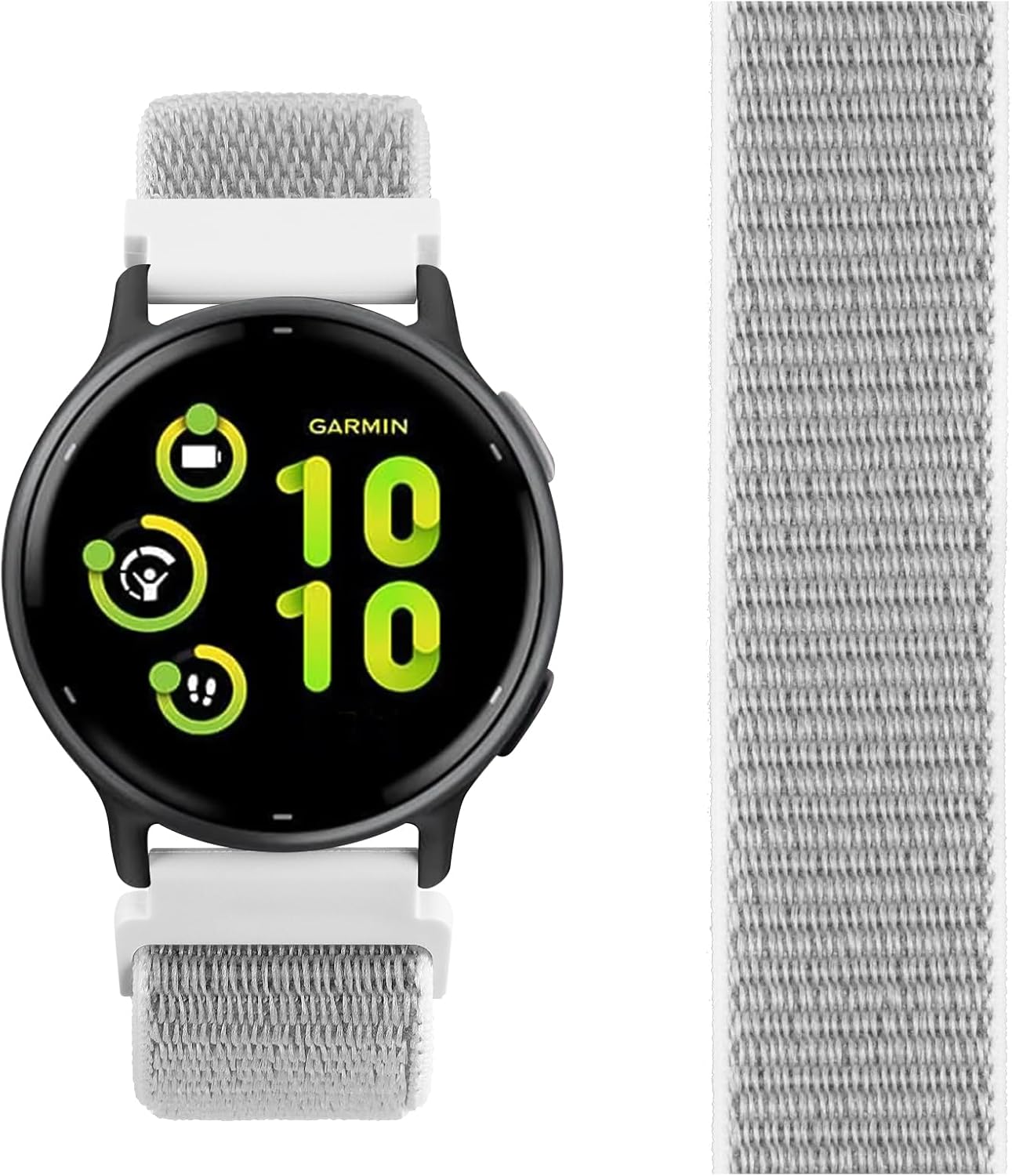
The band’s nylon weave and adjustable buckle aim to balance secure fit with breathability, a key buyer decision for extended wear across activity and rest. Fit must be considered relative to the host watch’s lug width and the wearer’s wrist circumference; the Meliya strap lists a fit range of roughly 140–230 mm and a quick-release style that matches many Garmin models. Buyers who require tight, immobile contact for accurate heart-rate readings will prioritize micro-adjustability and low slippage during dynamic movement, while those who want an everyday strap will look for softness, minimal chafing, and low bulk. The strap’s buckle and double-hold design claim to prevent accidental loosening; mechanical reliability of the clasp and ability to seat connectors without pinching skin are also important for comfort and safety during long shifts or overnight wear.

Sizing, adjustability, and wrist compatibility
Sizing is an immediate decision factor: the listed 140–230 mm range accommodates many wrist sizes common in the US market, but measurement guidance is important because strap geometry and lug-to-buckle length affect fit. The quick-release spring-pin connectors used by many Garmin models allow rapid swapping without tools, but mechanical tolerances vary between watch generations. For users with smaller wrists, excess tail length and how the band tucks or secures under the double-hold buckle will influence comfort. For larger wrists, the number and spacing of adjustment holes determine achievable tension; strap flexibility and weave density also affect how snug or loose the band feels when tightened for sports use.
Breathability, materials, and long-term comfort
Nylon is commonly chosen for breathability and lightweight performance; an open weave moves air and dries faster than denser textiles, which helps reduce skin irritation from sweat accumulation. Comfort also depends on weave stiffness—new nylon can be stiff initially and may soften with wear and washing—whereas softer finishes reduce chafing. Long-term comfort considerations include edge binding quality to prevent rubbing, padding or lack thereof beneath the watch case, and whether the weave traps dirt. For round-the-clock wearers, skin-friendly dye and seam placement matter: tightly woven seams near the case back can press against the wrist and disturb sleep. Textile maintenance impacts comfort over time; machine-washable bands that preserve structure are preferable.
Sensor Interaction and Tracking Considerations
A replacement band can influence the practical accuracy of optical sensors by changing the mechanical stability and contact pressure between the watch’s sensor window and skin. Optical heart-rate monitors rely on consistent coupling and minimal lateral movement to reduce motion artifact; a band that slips, rotates, or allows excessive gap will increase noise in readings during high-intensity intervals. Likewise, accelerometer-based step counting and activity detection assume a stable orientation on the wrist—excessive band flexibility or loose fit can introduce false steps or missed gestures. While the Meliya band contains no electronics, its textile construction and buckle design determine how well it preserves consistent sensor placement in real-world usage, especially for sports that generate repetitive wrist motion.

Optical heart-rate sensors and contact stability
Optical photoplethysmography depends on even, reproducible pressure and proximity to skin. A strap that provides controlled, adjustable tension without constricting blood flow helps balance comfort and sensor reliability. For interval training or activities with rapid arm motion, micro-adjustability and secure buckle action reduce rotation and lateral slip that induce motion artifact. Textile thickness between the watch case and skin is minimal with nylon, but case back seating is influenced by how the band interfaces with the watch lugs; stiffer connectors or uneven attachment can lift the case slightly, reducing sensor contact. Users who prioritize heart-rate variability or continuous stress monitoring should consider bands with demonstrated stability under dynamic loads.
GPS, accelerometer, and motion tracking impacts
GPS performance is unaffected by bands because satellite radios are within the watch module; however, accelerometer-derived metrics such as cadence, step length estimation, and swim stroke counts can be sensitive to band-induced motion. A loose strap allows micro-rotation that can register as additional motion events, skewing distance and cadence algorithms. For swimming and water-based activity, textile absorption and elasticity change when wet, potentially altering fit mid-session. Selection of a band for activities that rely on accelerometer fidelity should therefore consider how the strap’s elasticity and buckle securement preserve watch orientation across repetitive motions.
Compatibility and Ecosystem Integration
Mechanical compatibility with Garmin devices is the foremost factor for third-party bands: correct lug width, connector type, and seating profile ensure reliable attachment and reduce risk to the watch’s quick-release pins. The Meliya band lists compatibility with a broad range of Garmin models, which suggests common connector sizing rather than model-specific tooling. Beyond mechanical fit, ecosystem integration centers on whether the accessory interferes with the watch’s sensors, strap removal impacts warranty terms from Garmin, and how coloration or thickness affects case-mounted accessories like screen protectors or charging docks. Choosing a band that conforms to the host device’s mechanical tolerances preserves full functionality of the Garmin OS, sensors, and smartphone-sync features.

Mechanical fit, connectors, and installation considerations
Quick-release spring pins are standard on many Garmin models and enable tool-free swapping, but small differences in lug radius and connector flange depth can affect seating security. A snug, flush fit between the strap’s connector and watch lug prevents lateral play and reduces the chance of accidental release. Installation dynamics matter: overly stiff connectors can scratch lug shoulders during insertion, whereas loose tolerances risk detachment under load. Buyers should verify the band’s stated model list against the exact watch SKU, as multiple variants in a model line may use different connector geometries. Proper seating also prevents gaps that could channel sweat into the case back seam.
Software, notifications, and ecosystem behavior
Replacement bands do not alter the software capabilities of the host watch; notifications, app compatibility, and health feature availability remain governed by Garmin firmware and the connected mobile app. However, band choice may influence the user experience indirectly: a bulky strap can interfere with touchscreen gestures on larger smartwatches, and strap-induced sensor misalignment can change the frequency or perceived accuracy of health alerts and auto-detection features. For multisport athletes who rely on consistent data logging across platforms, maintaining a stable mechanical interface between band and watch is essential to preserve comparable data quality across sessions and devices.
Durability, Materials, and Environmental Resistance
Durability assessment for textile bands centers on abrasion resistance, dye fastness, seam integrity, and moisture behavior. Nylon offers good tensile strength and resistance to stretching compared with some elastomeric bands; however, edge fraying and seam unravelling are common failure modes for woven straps if binding and stitching are subpar. Environmental exposure—sweat, chlorinated pool water, salt spray, and UV—can accelerate wear and color fading. The Meliya product description highlights high-quality nylon and a durable buckle but does not list standardized resistance ratings, so buyers should factor in maintenance and replacement expectations when selecting a textile accessory for heavy training loads.

Nylon construction: abrasion, seams, and colorfastness
Woven nylon is favored for its lightweight strength and quick-drying properties, yet weave density and edge finishing determine how well a strap resists abrasion from repeated strap-on/off cycles and from contact with clothing or equipment. High-stress points include the buckle holes and the connector ends; reinforced stitching and heat-sealed edges reduce fraying. Colorfastness matters for light-colored clothing and skin staining: lower-grade dyes may bleed during heavy sweating or washing. For users who rotate bands frequently, long-term appearance retention depends on both material quality and recommended cleaning procedures.
Water exposure, sweat handling, and maintenance needs
Textile bands absorb moisture and can retain sweat, which can harbor odor or accelerate textile degradation if not cleaned. Nylon typically dries faster than cotton and does not swell like leather, but prolonged exposure to chlorinated or salt water can degrade fibers and dyes. For frequent swimmers or triathletes, a textile band may require rinsing after each session and periodic deep cleaning to maintain hygiene and structural integrity. The absence of an official IP rating for the band means that while the watch may be water-resistant, the strap manufacturer does not certify its environmental endurance; users should follow conservative maintenance steps to maximize lifespan.
Battery, Maintenance, and Practical Use
While the replacement band does not contain electronics, it factors into practical battery expectations and daily maintenance routines. Heavier or bulkier bands can marginally affect perceived battery life by altering wear patterns—tightening a band significantly may lead to more frequent syncs and on-wrist activity detection events during sleep or rest, which can change logging behavior on the watch. In daily use, textile straps require cleaning cycles that are gentler than for silicone bands; detergents, wash frequency, and drying method influence how quickly a nylon band retains its look and fit. The Meliya band’s stated 12-month warranty mitigates some lifecycle concerns but does not replace the need to inspect connectors and seams regularly.
Battery life expectations and indirect influences
A band’s direct impact on battery life is negligible because it contains no circuitry. Indirect effects arise when strap choice alters user behavior—if a new band increases comfort and leads to longer continuous wear, the watch may log more data and perform more frequent sensor sampling, marginally influencing battery drain. Conversely, an uncomfortable band might be removed for portions of the day, reducing logged data. For users prioritizing maximum battery economy, strap selection should favor lightweight materials that do not push the device into modes that prompt extra sensor activity, such as prolonged continuous heart-rate monitoring paired with on-wrist notifications.
Cleaning, maintenance routines, and warranty handling
Textile straps should be cleaned with mild soap and water, air-dried away from direct heat, and inspected for loose threads near the connectors. Avoid harsh detergents or bleach, which accelerate dye loss and fiber breakdown. The seller-stated 12-month refund or replacement policy provides recourse for manufacturing defects, but routine wear-and-tear from environmental exposure is typically excluded from warranty coverage. Retain purchase documentation and photos of defects for claims; frequent washers should rotate bands to distribute wear and extend service life.

Pros & Cons
Pros
- Wide device compatibility: The band lists compatibility with many Garmin models, making it a flexible replacement option for owners of Venu, Vivoactive, Vivomove, and Forerunner lines. This breadth reduces the need to search for model-specific straps when quick-release connectors match.
- Breathable nylon material: Woven nylon offers improved airflow compared with solid elastomer bands, which benefits sweat-prone users during workouts and reduces prolonged moisture contact against skin.
- Adjustable sizing range: A stated wrist range of approximately 140–230 mm accommodates many adult wrists and supports both snug sports fits and looser daily-wear settings via multiple adjustment holes.
- Lightweight and low bulk: Nylon construction minimizes added weight and bulk under dress shirts or sleeves, improving comfort for all-day wear and while sleeping for people tracking overnight metrics.
- Double-hold buckle security: The described buckle design aims to keep the tail secured and reduce accidental loosening, which supports stable contact for sensors during movement.
- Color and style variety: Multiple color options enable users to match personal style or coordinate with workout gear and casual attire without altering watch functionality.
- 12-month warranty: Seller-provided refund or replacement for 12 months addresses manufacturing defects and provides buyer recourse for early failures.
Cons
- No standardized durability ratings: Absence of an industry-standard abrasion, UV, or chemical resistance rating means longevity depends on manufacturing quality and user maintenance, creating uncertainty for heavy-use buyers.
- Potential for dye transfer and fraying: Textile bands can shed color or develop frayed edges over time, especially with frequent washing or exposure to chlorinated water; this can affect appearance and comfort.
- Indirect impact on sensor readings: While not electronic, strap fit and stability influence optical sensor contact; buyers seeking clinical-grade accuracy should rely on the watch’s validated bands or consider alternatives with demonstrated stability.
- Limited waterproof assurance: The seller does not provide an IP rating for the band; for high-frequency swimmers or triathletes, silicone or metal bands with explicit water-resistance endorsements may be preferable.
Final Verdict: Who This Wearable Is Best For (and Who Should Skip It)
The Meliya nylon replacement band is suited to buyers seeking an economical, breathable, and lightweight textile alternative for compatible Garmin smartwatches. It fits a broad set of device models and wrist sizes and offers stylistic variety for users who switch bands for fashion or comfort. Active users who prioritize breathability during runs, gym sessions, and daily wear will find the nylon weave advantageous, provided they maintain proper fit to preserve contact with optical sensors. The 12-month seller warranty reduces risk from manufacturing defects and supports buyer confidence in first-year durability.
This band is less appropriate for users who demand certified environmental resistance, swimmers who expose bands to frequent chlorinated or saltwater sessions, or those who require guaranteed sensor-grade stability for physiologic research or medical monitoring. Users who need absolute assurance of connector fit across different watch SKUs should verify lug geometry before purchase. Compared with silicone or metal band options common in 2026, the Meliya nylon strap offers an attractive middle ground of comfort and style but with trade-offs in standardized durability and water exposure assurance.
Frequently Asked Questions (FAQs)
Will this Meliya nylon band fit my specific Garmin model?
Compatibility depends on the watch’s lug width and connector type. The Meliya band lists compatibility with many Garmin models including Venu, Venu Sq, Vivoactive 3/5, Vivomove variants, and several Forerunner models. Buyers should confirm the exact watch SKU and verify that the device uses the same quick-release connector geometry as listed to ensure a secure mechanical fit.
Can a nylon replacement band affect heart-rate or activity readings?
A nylon band does not contain sensors, but strap fit and stability influence optical sensor contact. Loose or rotating bands can introduce motion artifact, while overly tight straps can impede blood flow. Secure, adjustable fit that maintains constant contact with the sensor window helps preserve the watch’s intended heart-rate and motion-tracking performance.
Is the Meliya nylon strap suitable for swimming and frequent water exposure?
Nylon dries faster than leather but can absorb moisture and be affected by chlorinated or salt water over time. The seller does not provide a specific water-resistance rating for the band, so frequent swimmers should rinse and dry the strap after use and consider silicone or metal options that offer explicit water endurance for heavy aquatic use.
How should the nylon band be cleaned to maintain hygiene and longevity?
Clean the band with mild soap and lukewarm water, gently agitating to remove sweat and oils, then air-dry away from direct heat. Avoid bleach, strong detergents, and machine drying on high heat, which can weaken fibers and cause dye loss. Regular cleaning helps reduce odor and extend usable life of the textile.
Does replacing the original band affect the watch warranty or software features?
Replacing a band typically does not change the watch’s software features or ability to sync with the Garmin ecosystem because the accessory is mechanical. However, warranty terms vary by manufacturer; while most vendors allow third-party bands, buyers should consult Garmin’s warranty policy to confirm whether aftermarket accessories could influence service coverage for the watch.
What are common failure modes to watch for in nylon replacement straps?
Typical wear issues for textile straps include fraying at edges and holes, dye fading or transfer, loosening of stitching near connectors and buckles, and loss of weave integrity due to abrasion. Periodic inspection of seams and connector interfaces helps detect early signs of wear and prevents sudden detachment during activity.
How does strap selection influence daily battery behavior of a Garmin watch?
The band itself does not draw power, but user behavior influenced by comfort can change logged activity and sensor sampling patterns. For example, increased continuous-wear or enabling more frequent heart-rate sampling will raise power consumption. Choosing a comfortable, breathable band that supports intended wear patterns helps maintain predictable battery expectations.