The Importance of Choosing the Right Wearable Device
In 2026, wearable technology has evolved into an essential tool for health and fitness enthusiasts. With a vast array of devices available, selecting the right one requires careful consideration of tracking capabilities, comfort, and long-term usability. The WHOOP 5.0/MG Activity Tracker is positioned as a comprehensive health monitoring solution, offering 24/7 data collection and personalized insights. For users seeking to optimize performance, recovery, and overall well-being, the WHOOP 5.0 represents a significant advancement in wearable technology. Its unique focus on physiological metrics, such as Pace of Aging and VO2 max, sets it apart from conventional fitness trackers. However, the device’s suitability depends on specific user needs, such as whether continuous health monitoring is a priority or if advanced features like GPS or phone notifications are required. This review evaluates the WHOOP 5.0 based on industry-standard criteria, including sensor accuracy, battery efficiency, and ecosystem integration, to help potential buyers make informed decisions.
Quick Overview
| Feature | Details |
|---|---|
| Device Category | Activity & Fitness Tracker |
| Tracking Metrics | Sleep, heart rate, blood oxygen, stress, menstrual cycle, VO2 max, Pace of Aging |
| Sensors | Optical sensors for continuous physiological monitoring |
| Battery Life | Up to 14+ days with wireless charging |
| Platform Compatibility | Smartphones and tablets |
| Intended Users | Fitness enthusiasts, athletes, health-conscious individuals |
| Durability | Waterproof, ambidextrous design |
| Warranty | Lifetime warranty |
The WHOOP 5.0’s combination of 24/7 health tracking, long battery life, and personalized insights makes it ideal for users prioritizing physiological data over traditional fitness metrics. Its focus on continuous monitoring and healthspan analysis positions it as a specialized tool for those seeking to understand their body’s long-term performance trends.

Comprehensive Health and Fitness Tracking
The WHOOP 5.0’s primary value proposition lies in its ability to monitor a wide range of physiological metrics continuously. Unlike conventional fitness trackers that emphasize step counts or calorie burn, the WHOOP 5.0 prioritizes sleep quality, stress levels, and recovery patterns. Its 24/7 data collection includes heart rate variability, blood oxygen saturation, and menstrual cycle tracking, providing a holistic view of user health. The device’s Health Monitor feature allows users to track baseline vitals like skin temperature and heart rate, while the Stress Monitor identifies potential stressors throughout the day. Additionally, the Healthspan feature quantifies physiological age and offers guidance to slow Pace of Aging, making it particularly appealing to users interested in long-term health optimization.

24/7 Continuous Monitoring
WHOOP’s continuous monitoring capabilities are central to its design. By collecting data throughout the day and night, the device provides real-time insights into sleep cycles, heart rate fluctuations, and stress responses. This constant stream of information enables users to make adjustments to their routines based on physiological feedback. For example, the device can detect when a user is overtraining by analyzing strain metrics and recovery patterns, offering personalized recommendations to prevent burnout. The inclusion of VO2 max tracking further enhances its utility for athletes, as it provides data on cardiovascular efficiency and endurance levels.
Healthspan and Pace of Aging Analysis
One of the WHOOP 5.0’s most distinctive features is its Healthspan analysis, which calculates a user’s physiological age based on biological markers. This metric helps users understand how their lifestyle choices impact long-term health and provides actionable steps to slow aging processes. The Pace of Aging feature integrates data from multiple physiological indicators to create a personalized health score, offering insights into how daily habits affect cellular aging. While this approach is innovative, it may not be as intuitive for users who prefer more traditional fitness metrics like BMI or body fat percentage.
Sensor Accuracy and Data Reliability
The accuracy of a wearable device is critical for users relying on its data for health decisions. The WHOOP 5.0 employs optical sensors to measure heart rate, blood oxygen levels, and skin temperature, which are standard for most modern wearables. However, the device’s unique focus on physiological metrics introduces potential challenges in data interpretation. For instance, the Pace of Aging calculation relies on aggregated data from multiple sources, which may vary depending on individual physiology. While WHOOP claims its algorithms are calibrated for precision, users should be aware that these metrics are not medical-grade diagnostics and should be used for general health insights rather than clinical decision-making.

Optical Sensor Performance
The optical sensors in the WHOOP 5.0 are designed for continuous, non-invasive monitoring of key health metrics. These sensors use photoplethysmography (PPG) technology to measure heart rate and blood oxygen levels, similar to other fitness trackers. However, the device’s ability to track menstrual cycle phases and stress levels is based on pattern recognition algorithms rather than direct physiological measurements. This approach may lead to variations in data accuracy depending on user-specific factors, such as skin tone or activity levels. While WHOOP’s algorithms are continuously refined, users should expect some degree of variability in these metrics.
Data Reliability and User Feedback
Aggregated customer reviews highlight both the strengths and limitations of the WHOOP 5.0’s data reliability. Many users appreciate the device’s ability to provide consistent sleep and stress tracking, which aligns with its primary use cases. However, some users report inconsistencies in menstrual cycle tracking, particularly during periods of high stress or physical activity. These discrepancies suggest that while the device offers valuable insights, its data should be interpreted as a general guide rather than a definitive diagnostic tool. The absence of medical-grade certifications further underscores the importance of using WHOOP for lifestyle optimization rather than clinical health monitoring.
Comfort, Fit, and Long-Term Wearability
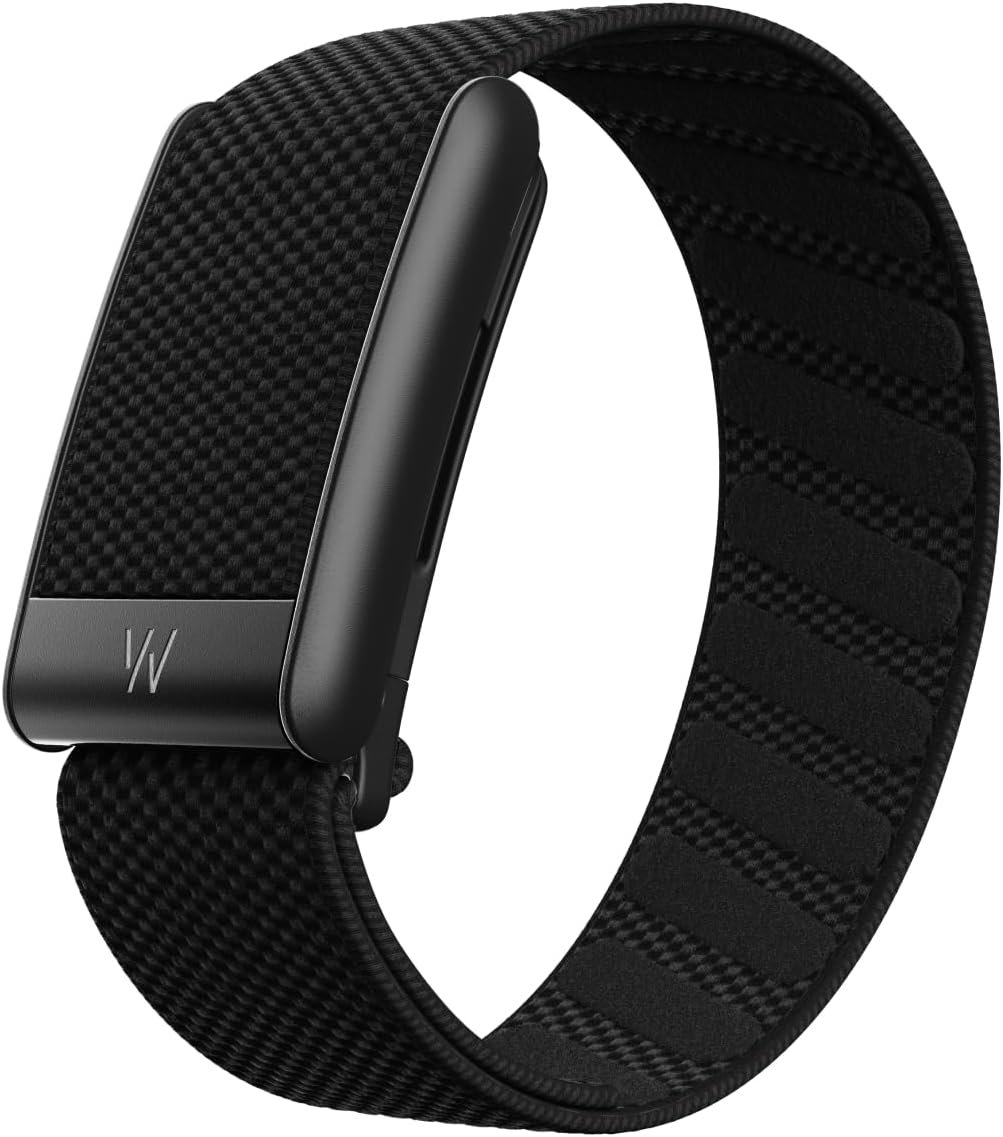
A wearable device’s usability is heavily influenced by its comfort and fit, especially for users who wear it continuously. The WHOOP 5.0 features a SuperKnit band designed for all-day wear, which is lightweight and flexible. The band’s material is engineered to minimize skin irritation, making it suitable for extended use. However, the device’s minimalist design may not appeal to users who prefer more customizable band options. The ambidextrous orientation allows for easy use by both left- and right-handed individuals, enhancing its accessibility. Despite these advantages, the lack of a built-in GPS or phone notification capabilities may limit its appeal for users who rely on these features for daily connectivity.

Band Design and Material
The SuperKnit band is a standout feature of the WHOOP 5.0, offering a balance between comfort and durability. The material is designed to be breathable and moisture-wicking, reducing the risk of skin irritation during prolonged wear. The band’s flexibility allows it to conform to the wrist without causing pressure points, making it suitable for users with sensitive skin. However, the band’s lack of adjustable straps or interchangeable options may be a drawback for users who prefer more customization in their wearable accessories. The waterproof rating also ensures that the device remains functional in various environmental conditions, enhancing its versatility.
Wearability and User Experience
The WHOOP 5.0’s design prioritizes minimalism and ease of use, which contributes to its wearability. The device is lightweight, with a compact form factor that allows for discreet wear throughout the day. The absence of a touchscreen interface simplifies navigation, as users rely on the companion app for most interactions. However, this design choice may be less appealing to users who prefer direct device controls for quick access to features. The device’s ability to sync seamlessly with smartphones and tablets ensures that users can access their data and receive personalized coaching without additional hardware requirements.
Battery Life and Charging Efficiency
Battery life is a critical factor for wearable devices, especially those intended for long-term use. The WHOOP 5.0 offers up to 14+ days of battery life, which is significantly longer than most competitors in the fitness tracker market. This extended battery life reduces the frequency of charging, making the device more convenient for users who want to minimize maintenance. The Wireless PowerPack included in the package allows for on-the-go charging, ensuring that the device remains operational without the need for frequent recharging. However, the lack of a built-in GPS or phone notification capabilities means that users may need to rely on their smartphones for connectivity, which could impact battery life in certain scenarios.

Charging and Power Management
The WHOOP 5.0’s wireless charging capability simplifies the charging process, eliminating the need for additional cables or adapters. The device’s power management system is optimized for long battery life, with features like automatic power-saving modes to extend usage. The Wireless PowerPack included in the package is designed for continuous wear, allowing users to charge the device without interrupting their routine. While the battery life is impressive, users should be aware that frequent use of the companion app or data sync may slightly reduce the overall battery capacity.
Environmental Resistance and Durability
The WHOOP 5.0 is rated as waterproof, making it suitable for use during swimming, showering, or other water-related activities. This level of water resistance ensures that the device remains functional in various environments, enhancing its versatility. The device’s construction is designed to withstand daily wear and tear, with a durable exterior that resists scratches and minor impacts. However, the absence of a rugged design or military-grade durability may limit its appeal for users in high-impact sports or extreme environments. The lifetime warranty provided by WHOOP offers additional reassurance for long-term ownership.
Device Compatibility and Ecosystem Integration
The WHOOP 5.0’s compatibility with smartphones and tablets ensures seamless integration into existing digital ecosystems. The companion app provides a centralized platform for viewing health data, receiving personalized coaching, and managing device settings. While the app is user-friendly, it lacks some of the advanced features found in other wearable ecosystems, such as third-party app integration or direct phone notifications. This limitation may be a drawback for users who rely on multiple apps for health and fitness tracking. The device’s reliance on the WHOOP ecosystem means that users must maintain an active membership to access full functionality, which could be a barrier for those seeking more flexible options.

App Integration and User Interface
The WHOOP 5.0’s companion app is designed to provide a comprehensive overview of the user’s health data, including sleep patterns, stress levels, and recovery metrics. The app’s interface is intuitive, with customizable dashboards that allow users to focus on specific metrics of interest. However, the app’s limited integration with third-party platforms may restrict its usefulness for users who prefer to consolidate their health data in a single location. The absence of direct phone notifications means that users must check their smartphones for updates, which could be inconvenient for those who rely on real-time alerts.
Ecosystem Lock-In and Membership Requirements
The WHOOP 5.0’s functionality is tied to an active membership, which is required for accessing all features and personalized coaching. While this model ensures ongoing support and updates, it may be a drawback for users who prefer standalone devices without recurring subscription costs. The 12-month membership included in the purchase provides a cost-effective option for new users, but long-term users may need to consider the financial implications of continued membership. The device’s reliance on the WHOOP ecosystem means that users may have limited flexibility in switching to other platforms or services.

Pros & Cons
Pros
- Comprehensive Health Monitoring: Tracks sleep, heart rate, blood oxygen, stress, menstrual cycle, and VO2 max for holistic health insights.
- Long Battery Life: Up to 14+ days of continuous use with wireless charging for minimal maintenance.
- Personalized Coaching: Offers tailored recommendations for sleep, strain, and recovery based on individual physiology.
- Healthspan Analysis: Calculates physiological age and provides guidance to slow Pace of Aging.
- Waterproof Design: Resists water and sweat, making it suitable for various activities and environments.
- Lifetime Warranty: Provides long-term peace of mind with comprehensive coverage for the device.
- Ambidextrous Design: Offers ease of use for both left- and right-handed individuals.
- Seamless App Integration: Centralized platform for viewing data and managing device settings.
Cons
- Limited Third-Party Integration: Lacks compatibility with most third-party apps and services.
- No GPS or Phone Notifications: Requires reliance on smartphones for location tracking and alerts.
- Subscription Dependency: Full functionality depends on an active WHOOP membership.
- No Built-In Screen: Requires the companion app for most interactions, which may be inconvenient for quick access.
- Niche Focus: Prioritizes physiological metrics over traditional fitness tracking features like step counts or calorie burn.
- No Rugged Design: May not be suitable for high-impact sports or extreme environments.
Final Verdict: Who This Wearable Is Best For (and Who Should Skip It)
The WHOOP 5.0 is best suited for users prioritizing physiological health insights over traditional fitness metrics. Its 24/7 monitoring of sleep, stress, and recovery patterns makes it ideal for athletes, fitness enthusiasts, and individuals seeking long-term health optimization. The Healthspan analysis and Pace of Aging metrics provide unique value for users interested in understanding their biological age and how lifestyle choices impact cellular aging. However, the device’s reliance on a subscription model, limited third-party integration, and lack of GPS or phone notifications may deter users who require more flexible or multifunctional wearables. For those seeking a specialized tool focused on healthspan and physiological tracking, the WHOOP 5.0 is an excellent choice. Conversely, users prioritizing GPS, phone notifications, or extensive app integration may find it less suitable.
Frequently Asked Questions (FAQs)
What health metrics does the WHOOP 5.0 track?
The WHOOP 5.0 monitors sleep quality, heart rate variability, blood oxygen levels, stress levels, menstrual cycle phases, VO2 max, and Pace of Aging. These metrics provide a comprehensive view of physiological health for long-term optimization.
Is the WHOOP 5.0 waterproof?
Yes, the WHOOP 5.0 is waterproof, making it suitable for use during swimming, showering, and other water-related activities. Its water-resistant design ensures durability in various environments.
How long does the WHOOP 5.0 battery last?
The WHOOP 5.0 offers up to 14+ days of battery life with wireless charging. This extended battery life minimizes the need for frequent recharging, ensuring continuous wearability.
Can the WHOOP 5.0 sync with third-party apps?
The WHOOP 5.0 has limited compatibility with third-party apps, as its functionality is primarily tied to the WHOOP ecosystem. Users may need to rely on the companion app for most interactions.
What is the Pace of Aging feature?
Pace of Aging is a metric calculated by WHOOP to assess how lifestyle choices impact cellular aging. It integrates data from multiple physiological indicators to provide insights into long-term healthspan and aging processes.
Does the WHOOP 5.0 require a subscription?
Yes, the WHOOP 5.0 requires an active membership to access full functionality, including personalized coaching and advanced health insights. The 12-month membership is included in the purchase.
Who is the WHOOP 5.0 best suited for?
The WHOOP 5.0 is ideal for fitness enthusiasts, athletes, and individuals prioritizing physiological health insights. It excels in tracking sleep, stress, and recovery patterns for long-term health optimization.