The Importance of Choosing the Right Wearable Device
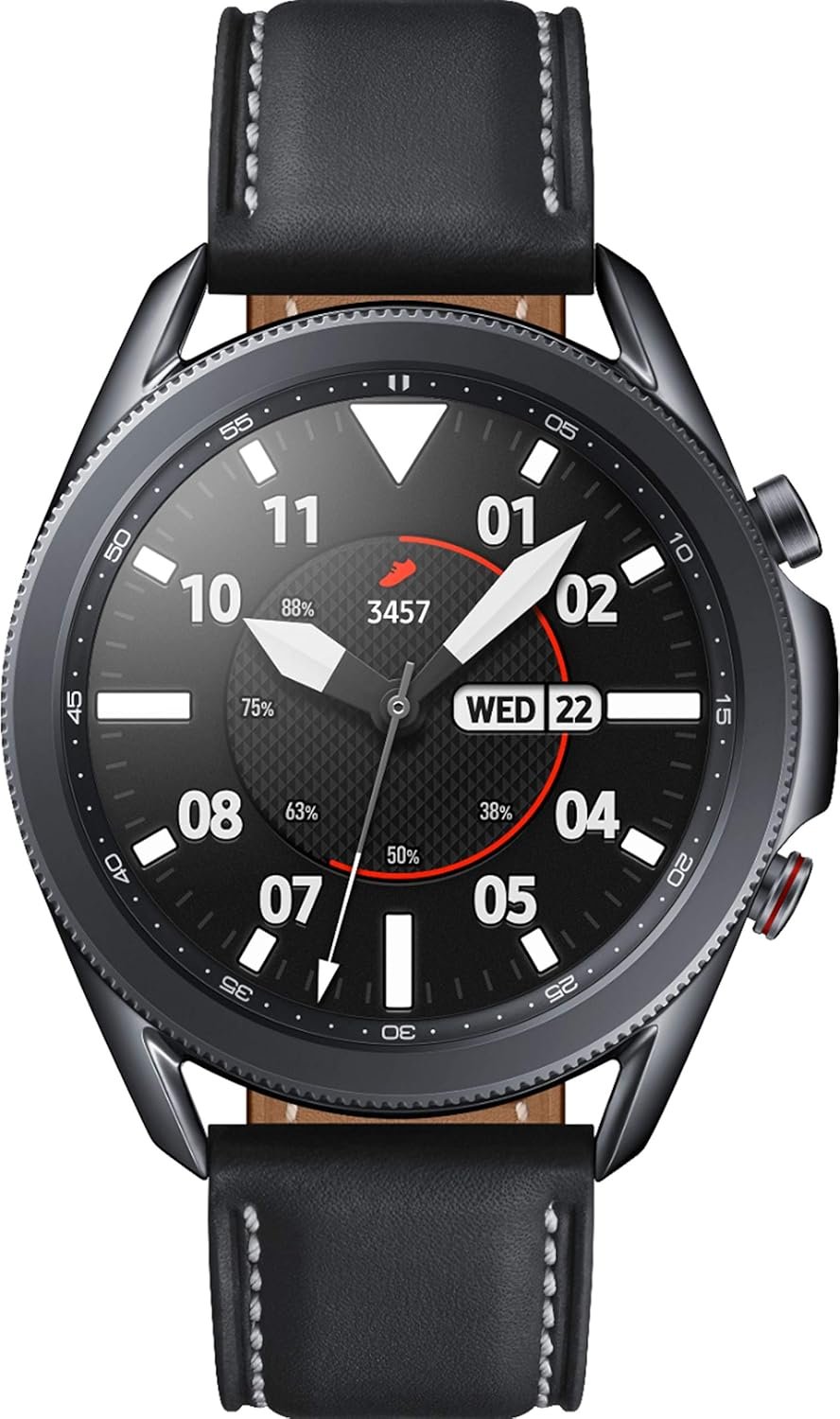
In the rapidly evolving landscape of wearable technology, selecting the right device can significantly impact user experience, productivity, and health management. As consumers increasingly rely on smartwatches for fitness tracking, communication, and daily task automation, the need for a device that balances functionality, comfort, and reliability becomes paramount. The Samsung Galaxy Watch3 represents a compelling option for users seeking a versatile wearable that integrates seamlessly with Android ecosystems while offering robust health monitoring and connectivity features. Its design, sensor capabilities, and software ecosystem cater to a broad audience, from fitness enthusiasts to professionals requiring constant digital access. However, the decision to adopt this device hinges on understanding its strengths and limitations in relation to specific user needs. This review provides an in-depth analysis of the Galaxy Watch3, focusing on key factors such as activity tracking accuracy, battery longevity, comfort, and compatibility with existing technologies. By evaluating these aspects through the lens of industry standards and user feedback, this guide aims to inform potential buyers about the device’s suitability for various lifestyles and usage scenarios.
Quick Overview
| Feature | Details |
|---|---|
| Device Category | Smartwatch |
| Supported Tracking Metrics | Heart rate, blood oxygen, stress, sleep, steps, distance, calories, elevation |
| Sensors and Hardware | Optical heart rate sensor, multi-axis accelerometer, gyroscope, barometer, GPS, LTE module |
| Battery Life | Up to 43 hours (with LTE), 340 mAh lithium-ion battery |
| Platform Compatibility | Android 8.0 and above, Bluetooth 5.0, USB-C |
| Intended User Profiles | Fitness enthusiasts, professionals, outdoor adventurers, health-conscious individuals |
| Durability Ratings | MIL-STD-810G certification, IP68 water resistance (5 ATM) |
| Warranty and Support | Manufacturer warranty, software updates via Samsung Galaxy Store |
The Galaxy Watch3’s feature set positions it as a versatile smartwatch capable of meeting the needs of users prioritizing health monitoring, connectivity, and durability. Its combination of advanced sensors, long battery life, and robust environmental resistance makes it suitable for a wide range of activities, from daily use to extended outdoor excursions. However, its performance in specific use cases depends on how well its hardware and software align with individual requirements.

Activity and Health Tracking Capabilities
The Galaxy Watch3’s ability to monitor a wide array of health and fitness metrics makes it a strong contender for users focused on personal wellness. Its optical heart rate sensor and multi-axis motion sensors provide continuous tracking of cardiovascular activity, movement patterns, and posture. The device also includes a barometer for altitude measurement, enabling accurate elevation tracking during outdoor activities. Additionally, its built-in GPS module ensures precise route mapping for runners, hikers, and cyclists, while the stress detection feature offers real-time insights into physiological responses to environmental stimuli. These capabilities position the Galaxy Watch3 as a comprehensive health companion, though its accuracy in specific metrics may vary depending on user activity levels and environmental conditions.

Sensor Accuracy and Data Reliability
The Galaxy Watch3’s sensor suite is designed to deliver consistent and reliable data across a range of activities. The optical heart rate sensor, for example, uses photoplethysmography (PPG) to measure blood flow changes, providing estimates of heart rate that align with industry standards for wearable devices. While these readings may not match clinical-grade equipment, they are sufficiently accurate for general health monitoring and fitness tracking. The multi-axis accelerometer and gyroscope work in tandem to detect movement patterns, offering detailed insights into steps taken, active minutes, and workout intensity. However, users should note that the device’s ability to distinguish between different types of physical activity may not be as refined as in higher-end competitors, potentially affecting the precision of workout summaries.
Sleep and Stress Monitoring
The Galaxy Watch3’s sleep tracking functionality utilizes a combination of motion sensors and heart rate data to analyze sleep stages, including light, deep, and REM cycles. This data can help users identify patterns in their sleep quality and make adjustments to improve rest. The stress detection feature, which employs heart rate variability (HRV) analysis, provides real-time feedback on stress levels and suggests breathing exercises to promote relaxation. While these tools are valuable for general wellness, their effectiveness may depend on the user’s ability to interpret the data and integrate it into their daily routine. The device’s ability to provide actionable insights in these areas enhances its appeal for health-conscious individuals.
Outdoor Activity Tracking
For users who engage in outdoor activities such as hiking, running, or cycling, the Galaxy Watch3’s GPS and environmental sensors offer significant value. The built-in GPS module ensures accurate route tracking, even when the device is not paired with a smartphone, making it ideal for solo adventures. The barometer and altimeter provide precise elevation data, helping users monitor their progress during climbs or descents. Additionally, the device’s water resistance (IP68 rating) and MIL-STD-810G certification ensure it can withstand harsh weather conditions, making it a reliable companion for outdoor enthusiasts. However, users should be aware that the device’s GPS performance may be affected by signal interference in dense urban environments or under heavy tree cover.
Battery Life and Charging Efficiency
Battery longevity is a critical factor for wearable devices, and the Galaxy Watch3 excels in this area with its 43-hour battery life when using LTE. This extended battery capacity reduces the frequency of recharging, making it suitable for users who prefer minimal maintenance. The device supports wireless charging via a compatible USB charging pad, offering convenience for daily use. For users with Galaxy smartphones, the PowerShare feature allows for direct charging from the phone, further enhancing flexibility. However, the battery life may decrease when the LTE function is active, as it consumes additional power. Users should also note that the device’s battery efficiency is influenced by usage patterns, with continuous GPS tracking or frequent notifications potentially shortening its lifespan. Overall, the Galaxy Watch3’s battery management capabilities make it a practical choice for users prioritizing long-term usability.
Charging Methods and Convenience
The Galaxy Watch3’s charging options are designed to accommodate various user preferences and environments. The included wireless USB charging pad provides a seamless charging experience, eliminating the need for direct contact with the charging port. For users with Galaxy smartphones, the PowerShare feature enables charging without the need for additional accessories, which is particularly convenient for on-the-go scenarios. However, the device does not support fast charging, meaning that users should plan for longer charging times compared to devices with rapid charging capabilities. The absence of a wired charging port may also be a drawback for users who prefer the convenience of a traditional USB cable. Despite these limitations, the available charging methods ensure that the Galaxy Watch3 remains functional for extended periods without requiring frequent recharging.
Power Consumption and Usage Patterns
The Galaxy Watch3’s power consumption is optimized to balance performance with battery longevity. Features such as LTE connectivity and GPS tracking are known to drain the battery more quickly, so users should be mindful of how these functions are utilized. For example, enabling LTE for extended periods without a smartphone nearby may significantly reduce battery life. Additionally, the device’s power management settings allow users to adjust notification frequency and screen brightness to conserve energy. While these settings provide some control over battery usage, the overall efficiency of the device is influenced by its hardware design and software optimization. Users who prioritize extended battery life may find that the Galaxy Watch3’s performance aligns with their expectations, particularly when used in scenarios with limited connectivity.
Environmental Factors and Battery Performance
The Galaxy Watch3’s battery life can be affected by environmental conditions, particularly temperature extremes. While the device is rated for IP68 water resistance and MIL-STD-810G durability, extreme cold or heat may impact its power efficiency. Users in regions with harsh climates should be aware that battery performance may degrade under such conditions. Additionally, the device’s battery capacity is relatively modest compared to some competitors, which means that heavy usage or frequent notifications may lead to shorter battery life. However, the Galaxy Watch3’s power management features help mitigate these effects, ensuring that the device remains functional for most daily activities without requiring frequent recharging.
Compatibility and Ecosystem Integration
The Galaxy Watch3’s compatibility with Android devices and its integration with the broader Samsung ecosystem make it an attractive option for users within the Android ecosystem. The device supports Bluetooth 5.0 and USB-C connectivity, allowing for seamless pairing with smartphones, smart home devices, and other wearables. Its ability to function independently of a smartphone when LTE is enabled enhances its utility for users who need constant connectivity. However, the device’s compatibility with non-Samsung Android devices is limited to basic Bluetooth and USB functions, which may not provide the same level of integration as with Galaxy smartphones. Users should also note that the Galaxy Watch3’s software updates are distributed through the Samsung Galaxy Store, ensuring ongoing support for new features and security patches. While this ecosystem integration is beneficial for Samsung users, it may be a drawback for those relying on other Android brands.
Cross-Platform Functionality
The Galaxy Watch3’s cross-platform capabilities are primarily optimized for Samsung Galaxy smartphones, with limited support for other Android devices. While users with non-Samsung Android phones can still pair the watch via Bluetooth and use basic features like notifications and music control, the full range of functionalities, such as Samsung Pay and advanced health tracking, may not be available. This limitation may affect users who prefer to use the Galaxy Watch3 with a non-Samsung phone, as they may miss out on certain integrations. Additionally, the device’s compatibility with third-party apps is constrained by Samsung’s app store, which may not offer the same breadth of options as other app ecosystems. Despite these constraints, the Galaxy Watch3 remains a viable option for users within the Samsung ecosystem who value seamless integration with their existing devices.
Software and App Ecosystem
The Galaxy Watch3’s software ecosystem is built on Samsung’s Tizen platform, which offers a range of built-in apps and services tailored for wearable use. The device includes a variety of fitness and health applications, as well as smart home integration capabilities for compatible devices. While the app selection is not as extensive as some competitors, the available applications are well-optimized for the watch’s interface and functionality. Users should also note that the Galaxy Watch3’s software updates are delivered through the Samsung Galaxy Store, ensuring ongoing improvements and security enhancements. However, the lack of support for third-party app stores may limit the device’s versatility for users seeking a wider range of applications. Overall, the Galaxy Watch3’s software ecosystem provides a solid foundation for daily use, though its limitations may affect users with specific app preferences.
Pros & Cons
Pros
- Comprehensive Health and Fitness Tracking: The Galaxy Watch3 offers a wide range of health metrics, including heart rate, blood oxygen, stress, and sleep tracking, making it a valuable tool for users focused on wellness.
- Long Battery Life: With up to 43 hours of battery life when using LTE, the device minimizes the need for frequent recharging, enhancing convenience for daily use.
- Robust Environmental Resistance: The IP68 water resistance and MIL-STD-810G certification ensure the device can withstand harsh weather conditions, making it suitable for outdoor activities.
- LTE Connectivity: The built-in LTE module allows for independent connectivity, enabling users to stay connected without carrying a smartphone.
- Seamless Samsung Ecosystem Integration: The Galaxy Watch3 works seamlessly with Samsung Galaxy smartphones, offering enhanced features like Samsung Pay and advanced health tracking.
- Wireless Charging Options: The device supports wireless charging via a compatible USB charging pad, providing a convenient charging experience.
- User-Friendly Interface: The watch’s interface is intuitive, with customizable watch faces and easy navigation through its apps and settings.
- Durable Build Quality: The device’s reinforced design and materials contribute to its longevity, making it a reliable choice for everyday use.
Cons
- Limited Cross-Platform Compatibility: The Galaxy Watch3’s full functionality is primarily optimized for Samsung Galaxy devices, with limited support for other Android phones.
- No Fast Charging: The device lacks fast charging capabilities, requiring longer charging times compared to competitors with rapid charging features.
- Battery Efficiency in Extreme Conditions: The battery life may be affected by extreme temperatures, which could be a drawback for users in harsh climates.
- Limited Third-Party App Support: The Galaxy Watch3’s app ecosystem is restricted to Samsung’s app store, which may limit the availability of certain applications.
- Moderate Sensor Accuracy: While the device’s sensors provide reliable data for general use, they may not match the precision of higher-end competitors in specific metrics.
- No Built-In GPS Without LTE: The GPS functionality is contingent on LTE connectivity, which may not be available in all scenarios, affecting route tracking capabilities.
- Lack of Smart Ring or Watch Band Customization: The device offers limited options for interchangeable bands, which may restrict personalization for some users.
- Dependence on Samsung Ecosystem: Users outside the Samsung ecosystem may find the Galaxy Watch3 less versatile due to its limited cross-platform capabilities.
Final Verdict: Who This Wearable Is Best For (and Who Should Skip It)
The Samsung Galaxy Watch3 is an excellent choice for users within the Samsung ecosystem who prioritize health monitoring, LTE connectivity, and long battery life. Its comprehensive sensor suite and environmental resistance make it ideal for fitness enthusiasts, outdoor adventurers, and professionals requiring constant digital access. The device’s seamless integration with Samsung Galaxy smartphones enhances its utility for users who rely on these devices for daily tasks. However, the Galaxy Watch3 may not be the best fit for users outside the Samsung ecosystem, as its full functionality is limited to Samsung devices. Additionally, users who prioritize fast charging, extensive app support, or advanced sensor precision may find the Galaxy Watch3’s limitations restrictive. For those seeking a versatile, durable, and health-focused smartwatch, the Galaxy Watch3 offers a compelling balance of features and performance, making it a strong contender in the 2026 wearable market.
Frequently Asked Questions (FAQs)
Does the Galaxy Watch3 support GPS tracking without a smartphone?
The Galaxy Watch3’s GPS functionality is integrated with its LTE module, allowing for independent tracking without a smartphone. This feature is ideal for outdoor activities such as hiking or running, where users may need to stay connected without carrying their phone.
How accurate is the Galaxy Watch3’s heart rate monitoring?
The Galaxy Watch3 uses an optical heart rate sensor to measure blood flow changes, providing estimates of heart rate that align with industry standards for wearable devices. While these readings may not match clinical-grade equipment, they are sufficiently accurate for general health monitoring and fitness tracking.
Can the Galaxy Watch3 be charged wirelessly?
Yes, the Galaxy Watch3 supports wireless charging via a compatible USB charging pad. This method provides a convenient charging experience, eliminating the need for direct contact with the charging port.
Is the Galaxy Watch3 suitable for users outside the Samsung ecosystem?
The Galaxy Watch3’s full functionality is primarily optimized for Samsung Galaxy smartphones. While users with other Android devices can still pair the watch via Bluetooth and use basic features, they may miss out on advanced integrations like Samsung Pay and certain health tracking capabilities.
How long does the Galaxy Watch3 battery last?
The Galaxy Watch3 offers up to 43 hours of battery life when using LTE. This extended battery capacity reduces the frequency of recharging, making it suitable for users who prefer minimal maintenance. However, battery life may decrease with heavy usage or frequent notifications.
What are the environmental resistance capabilities of the Galaxy Watch3?
The Galaxy Watch3 is rated for IP68 water resistance (5 ATM) and MIL-STD-810G certification, ensuring it can withstand dust, temperature extremes, and altitude changes. These features make it suitable for outdoor activities and water-related environments.
Can the Galaxy Watch3 track sleep patterns?
Yes, the Galaxy Watch3 uses motion sensors and heart rate data to analyze sleep stages, including light, deep, and REM cycles. This data helps users identify patterns in their sleep quality and make adjustments to improve rest.
Does the Galaxy Watch3 support third-party apps?
The Galaxy Watch3’s app ecosystem is primarily limited to Samsung’s app store, which offers a range of built-in apps and services. While third-party app support is restricted, the available applications are well-optimized for the watch’s interface and functionality.