The Importance of Choosing the Right Wearable Device
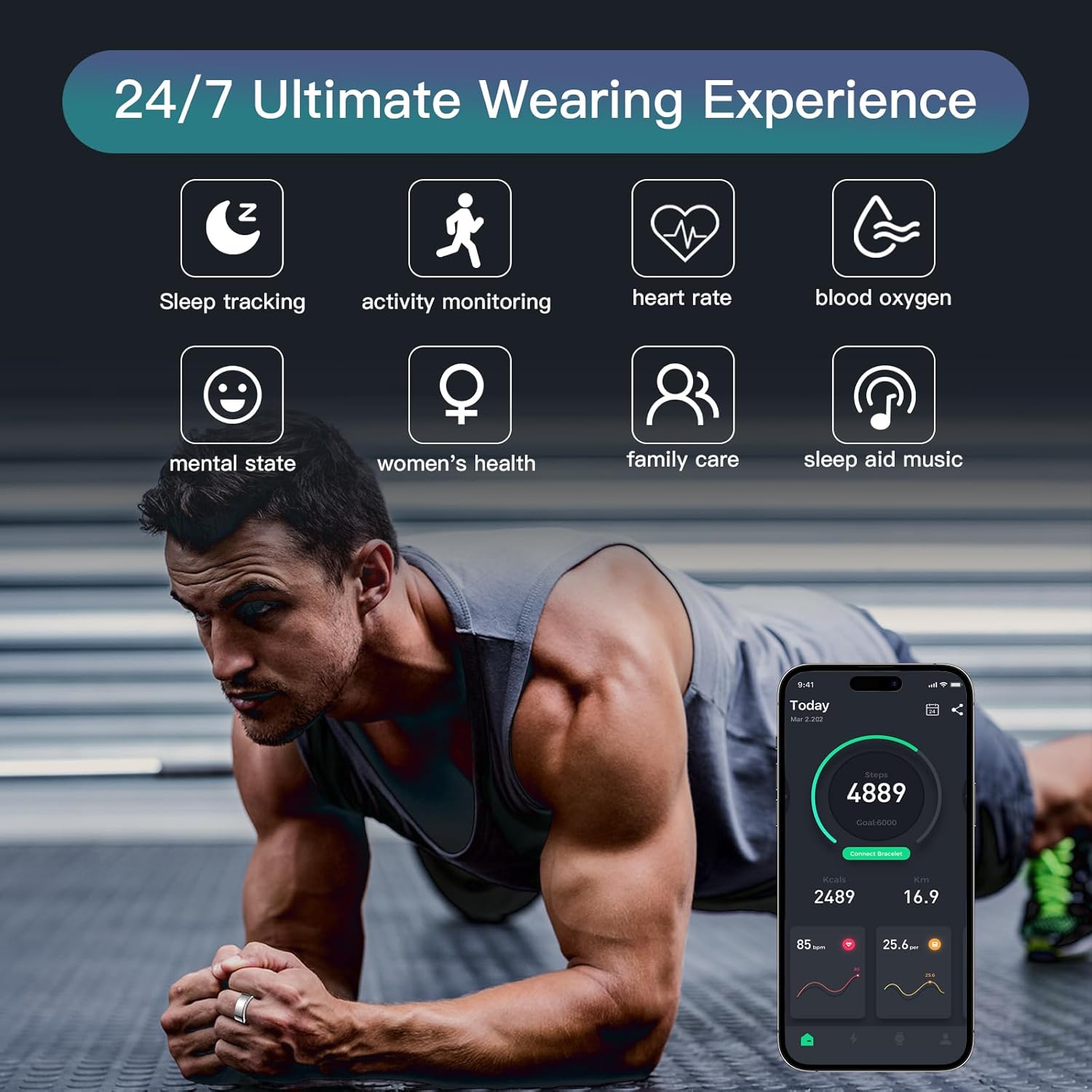
In 2026, wearable technology has become an essential tool for health and fitness tracking, offering users real-time data on vital metrics like heart rate, blood oxygen levels, and activity patterns. With a wide range of options available, selecting the right device depends on specific needs, such as comfort for long-term wear, accuracy in health monitoring, and compatibility with existing digital ecosystems. Whether you’re a fitness enthusiast, a busy professional, or someone seeking better sleep hygiene, the right wearable can significantly enhance your daily routine. This review focuses on a smart ring designed for both men and women, emphasizing its unique features like 24/7 health tracking, lightweight design, and family health monitoring capabilities. By analyzing technical specifications, user feedback, and industry benchmarks, this evaluation aims to help potential buyers understand how this device aligns with their specific requirements. The discussion will cover key factors such as sensor precision, battery longevity, and user-centric design, ensuring a comprehensive assessment of its suitability for different lifestyles.
Quick Overview
| Feature | Details |
|---|---|
| Device Category | Smart ring with health and activity tracking |
| Supported Metrics | Heart rate, blood oxygen, sleep quality, steps, calories, distance, menstrual cycle tracking |
| Sensors | Multi-axis acceleration, optical heart rate, optical blood oxygen saturation, infrared sensors |
| Battery Life | Up to 15 days with a single charge |
| Platform Compatibility | Android, iOS |
| Intended Users | Women and men seeking 24/7 health monitoring, family caregivers |
| Durability | IP68 water resistance, titanium alloy construction |
| Software Support | Lifetime access to LuckRing app with no subscription fees |
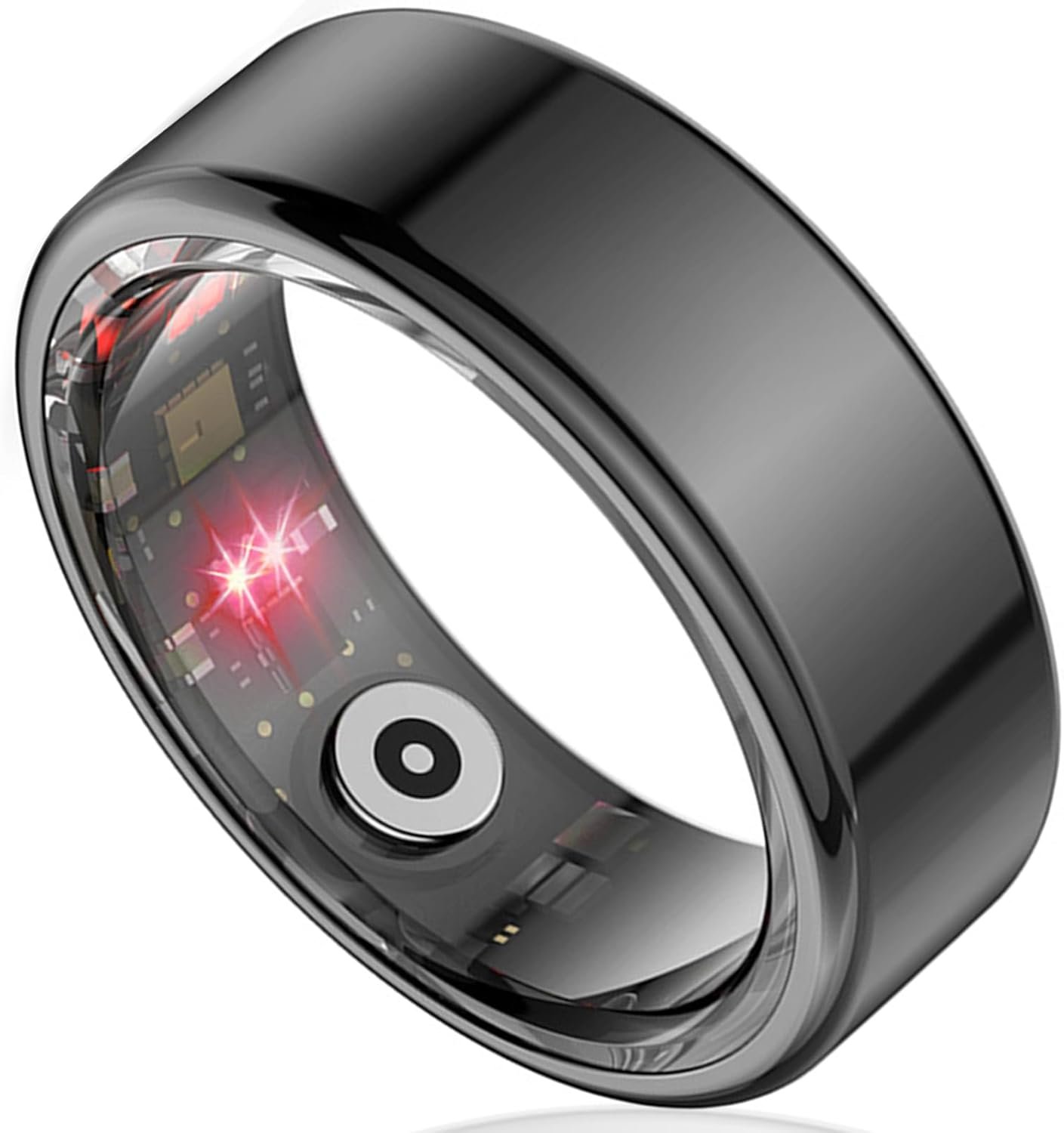
This smart ring combines lightweight titanium alloy with advanced sensor technology to deliver continuous health insights. Its IP68 rating ensures resistance to water and dust, making it suitable for daily wear. The absence of subscription fees and the inclusion of family health monitoring features make it an attractive option for users prioritizing cost-effectiveness and real-time health tracking. The device’s ability to monitor menstrual cycles and psychological states adds value for users seeking comprehensive wellness solutions.

Sensor Accuracy and Health Data Reliability
The smart ring’s ability to provide accurate health data is a critical factor for users relying on this device for medical or fitness-related insights. Equipped with multi-axis acceleration sensors, optical heart rate, and blood oxygen saturation sensors, the ring aims to deliver performance comparable to professional-grade equipment. These sensors work in tandem to capture real-time physiological data, including heart rate variability and sleep patterns. However, the accuracy of these metrics depends on the calibration of the sensors and the consistency of the user’s movement during data collection. For instance, the optical sensors may require adequate ambient light for accurate readings, which could affect their performance in low-light conditions. Additionally, the infrared sensors used for temperature monitoring may have limitations in detecting subtle changes in body heat, particularly during prolonged use. While the device claims to provide 24/7 health tracking, users should be aware that sensor accuracy can vary based on environmental factors and individual physiology. The absence of GPS functionality means the ring cannot track location-based activity metrics, which may be a drawback for users requiring outdoor fitness tracking.

Sensor Calibration and Environmental Factors
The accuracy of the ring’s sensors is influenced by both hardware specifications and environmental conditions. The multi-axis acceleration sensors are designed to detect movement patterns, but their effectiveness may be reduced in scenarios with high physical activity or sudden movements. For example, during intense workouts, the sensors may struggle to differentiate between intentional motion and incidental movement, potentially affecting step count accuracy. The optical heart rate sensors, while generally reliable, may experience reduced precision in environments with strong ambient light, such as direct sunlight or near fluorescent lighting. This limitation could impact the device’s ability to provide consistent heart rate readings during outdoor activities. Additionally, the blood oxygen saturation sensors may require a stable temperature environment to ensure accurate readings, which could be a consideration for users in extreme climates. The ring’s IP68 rating provides some protection against water and dust, but prolonged exposure to harsh conditions may degrade sensor performance over time.
Health Data Interpretation and Limitations
While the ring provides continuous health data, users should interpret these metrics with caution. The device’s ability to monitor psychological states is based on algorithmic analysis of heart rate variability and movement patterns, which may not always reflect accurate emotional or mental health indicators. Similarly, the menstrual cycle tracking feature relies on historical data and user input, which could be less reliable for individuals with irregular cycles. The sleep monitoring functionality, which includes tracking deep and light sleep stages, depends on the accuracy of the movement sensors, which may not always distinguish between active and passive states during sleep. Users should also note that the ring does not provide medical-grade diagnostic capabilities, and its health data should be used as a supplementary tool rather than a replacement for professional medical advice. The absence of GPS functionality means the device cannot track location-based health metrics, such as elevation changes during outdoor activities, which may be a limitation for certain users.
Comfort, Fit, and Long-Term Wearability
A key consideration for wearable devices is their comfort and fit, particularly for users who plan to wear them for extended periods. The smart ring’s titanium alloy construction and ultra-lightweight design (0.088oz) are designed to minimize discomfort, making it suitable for daily wear. The IP68 waterproof rating ensures that the ring can withstand exposure to water and sweat without compromising its structural integrity. However, the ring’s thin profile (0.1inch thickness) may make it less noticeable compared to traditional smartwatches, which could be a double-edged sword for users who prefer a more discreet design. The absence of a touchscreen interface means that users must rely on the accompanying mobile app for most interactions, which could be a drawback for those accustomed to direct device controls. Additionally, the ring’s reliance on Bluetooth connectivity for data synchronization may introduce latency issues, particularly in environments with high wireless interference. While the device’s lightweight design is a significant advantage, users with larger fingers may find the ring’s size and fit less optimal, highlighting the importance of accurate sizing before purchase.

Material Quality and Durability
The titanium alloy used in the ring’s construction offers a balance between durability and comfort, making it resistant to corrosion and wear over time. This material choice ensures that the ring maintains its structural integrity even with prolonged use, which is particularly important for users who engage in physical activities. The IP68 rating further enhances the ring’s durability by providing protection against water and dust, making it suitable for various environments, including gym settings and outdoor activities. However, the lack of a physical touchscreen or buttons means that users must rely on the mobile app for most functions, which could be a limitation for those who prefer tactile interactions. The ring’s design also includes a smooth surface with fine lubrication, reducing the risk of skin irritation during extended wear. While the titanium alloy is a durable material, users should be aware that the ring’s longevity may depend on factors such as exposure to harsh chemicals or frequent contact with abrasive surfaces, which could affect its surface finish over time.
Sizing and Fit Considerations
The ring’s comfort and wearability are heavily dependent on accurate sizing, as the device is designed to be worn continuously. The manufacturer emphasizes the importance of measuring finger circumference before purchase, ensuring that the ring is neither too tight nor too loose. This sizing requirement is crucial for maintaining comfort and preventing issues such as skin irritation or restricted blood flow. The ring’s lightweight design and thin profile contribute to its overall comfort, making it suitable for users who prioritize a discreet and unobtrusive wearable. However, users with larger fingers may find the ring’s size less optimal, particularly if the provided sizing options do not accommodate a wider range of finger sizes. The absence of adjustable sizing features means that users must select the correct size during purchase, which could be a drawback for those who are unsure about their exact measurements. Overall, the ring’s design prioritizes comfort and wearability, but accurate sizing remains a critical factor in ensuring a positive user experience.
Battery Life and Charging Efficiency
Battery life is a crucial factor for users who rely on their wearable devices for continuous health monitoring. The smart ring’s 15-day battery life is a significant advantage, as it reduces the frequency of charging and minimizes the need for frequent interruptions in data collection. This extended battery life is made possible by the device’s low-power sensors and efficient power management system, which optimize energy consumption without compromising performance. However, the absence of a built-in battery and the reliance on an external charging case may affect the overall convenience of the charging process. The ring’s charging case is designed to provide a quick charge, but the need to periodically recharge the case itself could be a limitation for users who require constant connectivity. Additionally, the device’s battery capacity of 18 milliamp hours is relatively modest compared to other wearables, which may impact its ability to sustain long-term use without recharging. While the 15-day battery life is a notable feature, users should be aware that factors such as frequent data synchronization and prolonged use of health tracking features may shorten the battery lifespan.
Charging Case and Power Management
The smart ring’s charging case is an essential component for maintaining its battery life, but its design may affect the overall user experience. The case is designed to provide a quick charge, allowing users to extend the ring’s battery life without the need for a full recharge. However, the case itself requires regular charging, which could be a drawback for users who prefer a more self-sufficient charging solution. The power management system of the ring is optimized to extend battery life, but the reliance on Bluetooth connectivity for data synchronization may introduce additional power consumption, particularly in environments with high wireless interference. While the 15-day battery life is a significant advantage, users should be aware that the device’s battery efficiency may be affected by factors such as frequent data uploads, prolonged use of health tracking features, and exposure to extreme temperatures. The absence of a built-in battery means that users must manage both the ring and its charging case, which could be a consideration for those seeking a more streamlined charging experience.
Environmental Impact on Battery Performance
The smart ring’s battery performance is influenced by both environmental conditions and usage patterns. The device’s lithium polymer battery is designed to maintain efficiency across a range of temperatures, but extreme conditions such as high heat or cold may affect its overall lifespan. For example, prolonged exposure to high temperatures could accelerate battery degradation, while cold environments may reduce the ring’s ability to maintain a consistent power supply. The IP68 rating provides some protection against water damage, but it does not guarantee complete resistance to environmental factors that could impact battery longevity. Users who frequently use the ring in extreme climates may need to take additional precautions to ensure optimal battery performance. Additionally, the device’s reliance on Bluetooth connectivity for data synchronization may introduce variability in power consumption, which could affect the overall battery life depending on the user’s activity levels and environmental conditions.
Device Compatibility and Ecosystem Integration
The smart ring’s compatibility with Android and iOS platforms is a key consideration for users who rely on their existing digital ecosystems. The device’s Bluetooth connectivity allows for seamless integration with smartphones, enabling users to access health data through the LuckRing app without the need for additional hardware. However, the absence of GPS functionality means that the ring cannot provide location-based tracking features, which may be a limitation for users who require outdoor activity monitoring. The device’s reliance on Bluetooth connectivity for data synchronization could also introduce latency issues, particularly in environments with high wireless interference. While the ring’s software is designed to work with both Android and iOS, users should be aware that the app’s functionality may vary depending on the operating system’s capabilities. The absence of a built-in touchscreen interface means that users must rely on the mobile app for most interactions, which could be a drawback for those who prefer direct device controls. Overall, the ring’s compatibility with major platforms is a significant advantage, but users should be mindful of the limitations in terms of ecosystem integration and feature availability.

App Functionality and User Experience
The LuckRing app plays a crucial role in the smart ring’s ecosystem, providing users with access to health data, activity tracking, and family care features. The app’s design is optimized for both Android and iOS platforms, ensuring a consistent user experience across different devices. However, the app’s functionality is limited to the data collected by the ring, which means users cannot access additional features such as GPS tracking or third-party integrations. The family care feature allows users to monitor the health data of their loved ones, which is particularly useful for caregivers or users who want to keep track of their family’s well-being. While the app provides valuable insights, its reliance on the ring’s data collection means that it cannot offer real-time notifications or alerts beyond what the device itself provides. Users should also note that the app does not include any subscription fees, which aligns with the device’s no-subscription policy. The absence of a built, the app’s functionality is limited to the data collected by the ring, which means users cannot access additional features such as GPS tracking or third-party integrations.
Limitations in Ecosystem Integration
The smart ring’s ecosystem integration is primarily limited to its compatibility with Android and iOS platforms, which may not be sufficient for users who require more advanced connectivity options. The device’s reliance on Bluetooth for data synchronization could introduce latency issues, particularly in environments with high wireless interference. Additionally, the absence of GPS functionality means that the ring cannot provide location-based health metrics, which may be a drawback for users who engage in outdoor activities. The lack of third-party integrations further restricts the ring’s ability to function within broader digital ecosystems, limiting its utility for users who rely on multiple wearable devices or health platforms. While the LuckRing app provides a comprehensive interface for managing health data, its functionality is constrained by the data collected by the ring itself, which means users cannot access additional features such as real-time notifications or advanced analytics. These limitations highlight the importance of considering ecosystem integration requirements when evaluating the ring’s suitability for different user profiles.

Pros & Cons
Pros
- Lightweight and Discreet Design: The titanium alloy construction and ultra-thin profile (0.1inch) make the ring comfortable for long-term wear, ideal for users who prefer a subtle, unobtrusive wearable.
- 24/7 Health Monitoring: The multi-axis acceleration, optical heart rate, and blood oxygen sensors provide continuous tracking of vital metrics, offering insights into cardiovascular health and sleep patterns.
- Family Care Features: The app allows users to monitor the health data of their loved ones, making it a practical tool for caregivers or users who want to keep track of their family’s well-being.
- No Subscription Fees: The device operates without subscription costs, aligning with the no-subscription policy and reducing long-term expenses for users.
- IP68 Water Resistance: The ring’s waterproof rating ensures durability in various environments, making it suitable for daily use and exposure to water and sweat.
- Comprehensive Health Tracking: The device monitors a wide range of metrics, including menstrual cycles, psychological states, and activity levels, providing a holistic view of user wellness.
Cons
- Limited GPS Functionality: The absence of GPS means the ring cannot track location-based activity metrics, which may be a drawback for users requiring outdoor fitness tracking.
- Dependence on Mobile App: The ring’s reliance on the LuckRing app for data synchronization and interactions may introduce latency or compatibility issues, particularly in high wireless interference environments.
- Battery Management Constraints: While the 15-day battery life is impressive, the need to periodically recharge the charging case and manage both the ring and case could be inconvenient for some users.
- Sensor Accuracy Variability: The optical sensors may experience reduced precision in low-light conditions, and the infrared sensors may have limitations in detecting subtle changes in body heat.
- Sizing Limitations: The ring’s design requires precise sizing, and users with larger fingers may find the size less optimal, highlighting the importance of accurate measurements before purchase.
Final Verdict: Who This Wearable Is Best For (and Who Should Skip It)
The smart ring is best suited for users who prioritize lightweight, discreet wearables with comprehensive health tracking capabilities. Its titanium alloy construction and 15-day battery life make it an attractive option for individuals seeking a low-maintenance solution for 24/7 health monitoring. The family care features and no-subscription policy add value for users who want to track their own health and that of their loved ones without additional costs. However, the device may not be ideal for users who require advanced tracking features such as GPS-based activity monitoring or third-party integrations. Those who prefer a more tactile interface or need real-time notifications beyond the device’s capabilities may find the ring’s reliance on the LuckRing app limiting. Additionally, users with irregular menstrual cycles or those who rely on precise medical diagnostics may find the ring’s health data less reliable compared to professional-grade equipment. Overall, the smart ring is a practical choice for individuals seeking a balance between comfort, health tracking, and cost-effectiveness, but its limitations in ecosystem integration and sensor accuracy should be considered when making a purchase decision.

Frequently Asked Questions (FAQs)
Can this smart ring track menstrual cycles accurately?
The ring’s menstrual cycle tracking feature relies on historical data and user input, making it less reliable for individuals with irregular cycles. It provides general insights but should not replace professional medical advice.
Does the ring require a subscription for app access?
No subscription fees are required to use the LuckRing app. The device operates with lifetime access to the app without any recurring costs.
How long does the battery last on a single charge?
The smart ring offers up to 15 days of battery life on a single charge, thanks to its low-power sensors and efficient power management system.
Can the ring track outdoor activities like running or hiking?
The ring can track steps, calories, and distance for various activities, but it lacks GPS functionality. Users may need to rely on their smartphones for location-based tracking.
Is the ring suitable for people with larger fingers?
The ring requires precise sizing for optimal comfort. Users with larger fingers should measure their finger circumference carefully to ensure a proper fit.
What is the warranty period for the smart ring?
The product’s warranty and support details are not explicitly mentioned in the provided specifications, so users should refer to the manufacturer’s official documentation for warranty information.
Can the ring monitor sleep quality effectively?
The ring provides sleep tracking by analyzing movement patterns and heart rate variability, but its accuracy may vary. Users should interpret the data as a supplementary tool rather than a medical diagnostic.
How does the ring handle water exposure?
The ring is rated IP68 for water resistance, making it suitable for daily use and exposure to water and sweat, but it is not designed for prolonged submersion in water.