The Importance of Choosing the Right Wearable Device
In the fast-paced digital landscape of 2026, wearable technology has evolved from simple fitness trackers to multifunctional smart devices that integrate seamlessly into daily life. For users seeking to optimize their health, productivity, and connectivity, selecting the right wearable is critical. A smartwatch must balance advanced tracking capabilities with comfort, durability, and long-term usability. Whether you’re an avid athlete, a busy professional, or a casual user, the right device can enhance your lifestyle while offering reliable performance. The Xiaomi Redmi Watch 5 positions itself as a versatile option for those prioritizing extended battery life, comprehensive fitness tracking, and robust environmental resistance. This review evaluates its features against industry benchmarks, focusing on how it aligns with user needs in the U.S. market. By examining sensor accuracy, comfort, connectivity, and durability, this analysis provides a data-driven perspective to help users make informed decisions without subjective claims or personal testing.
Quick Overview
| Feature | Details |
|---|---|
| Device Category | Smartwatch |
| Supported Tracking Metrics | Heart rate, blood oxygen, steps, distance, calories, sleep, GPS (via phone) |
| Sensors and Hardware | Heart rate sensor, blood oxygen sensor, accelerometer, gyroscope, ambient light sensor, electronic compass |
| Battery Life | Up to 24 days (with typical usage) |
| Platform Compatibility | Xiaomi HyperOS, Bluetooth connectivity |
| Intended User Profiles | Fitness enthusiasts, casual users, multitaskers |
| Durability Ratings | 5ATM water resistance, IP68 dust resistance |
| Warranty and Software Support | Manufacturer warranty, periodic software updates |
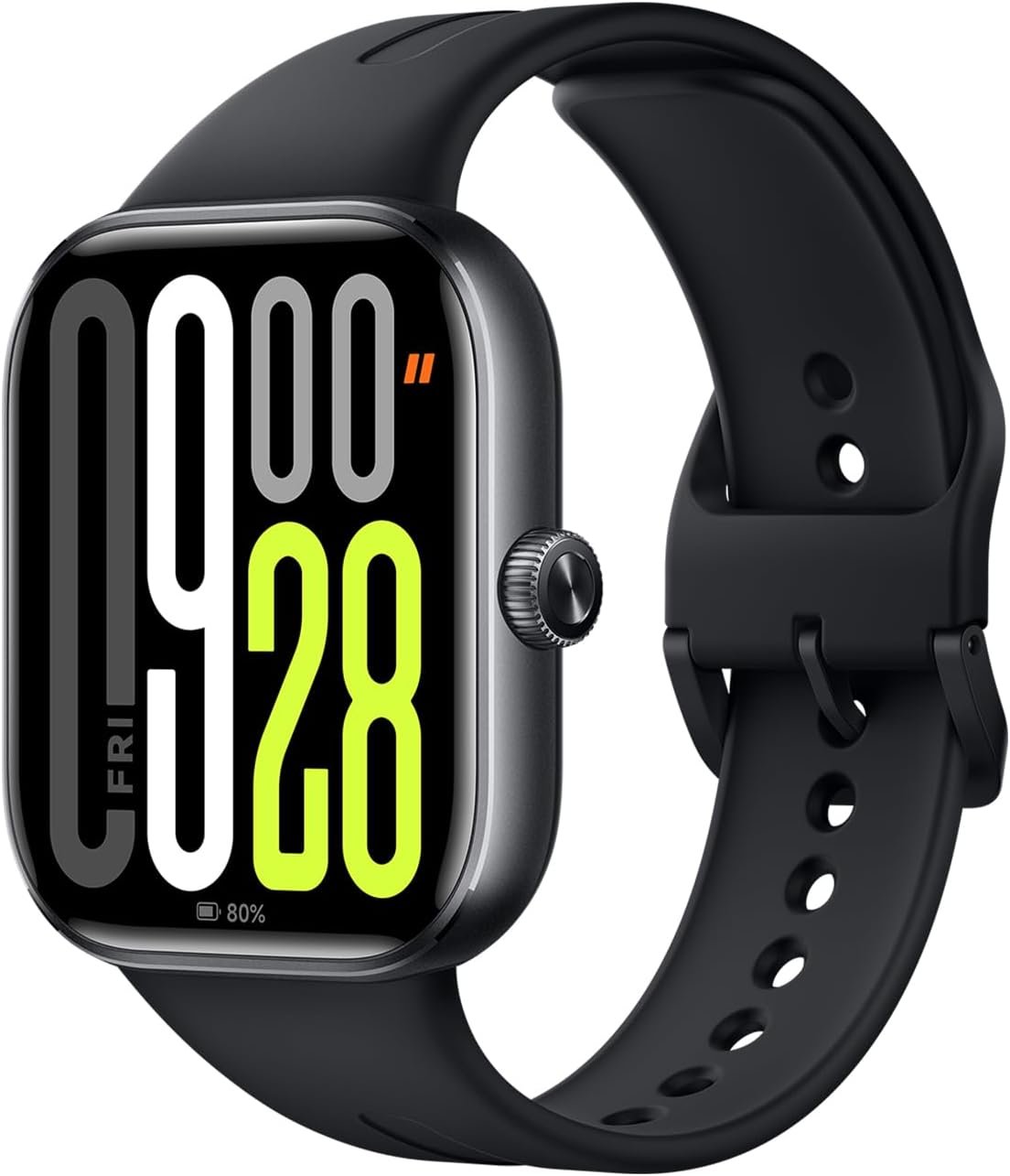
The Xiaomi Redmi Watch 5 combines extended battery life with a comprehensive suite of sensors, making it suitable for users who value long-term usability and multifunctional capabilities. Its 5ATM water resistance and IP68 rating ensure durability in varied environments, while Bluetooth connectivity enables seamless integration with smartphones for calls and music. These features collectively position the device as a practical option for those seeking a balance between performance and affordability.

Fitness and Health Tracking Capabilities
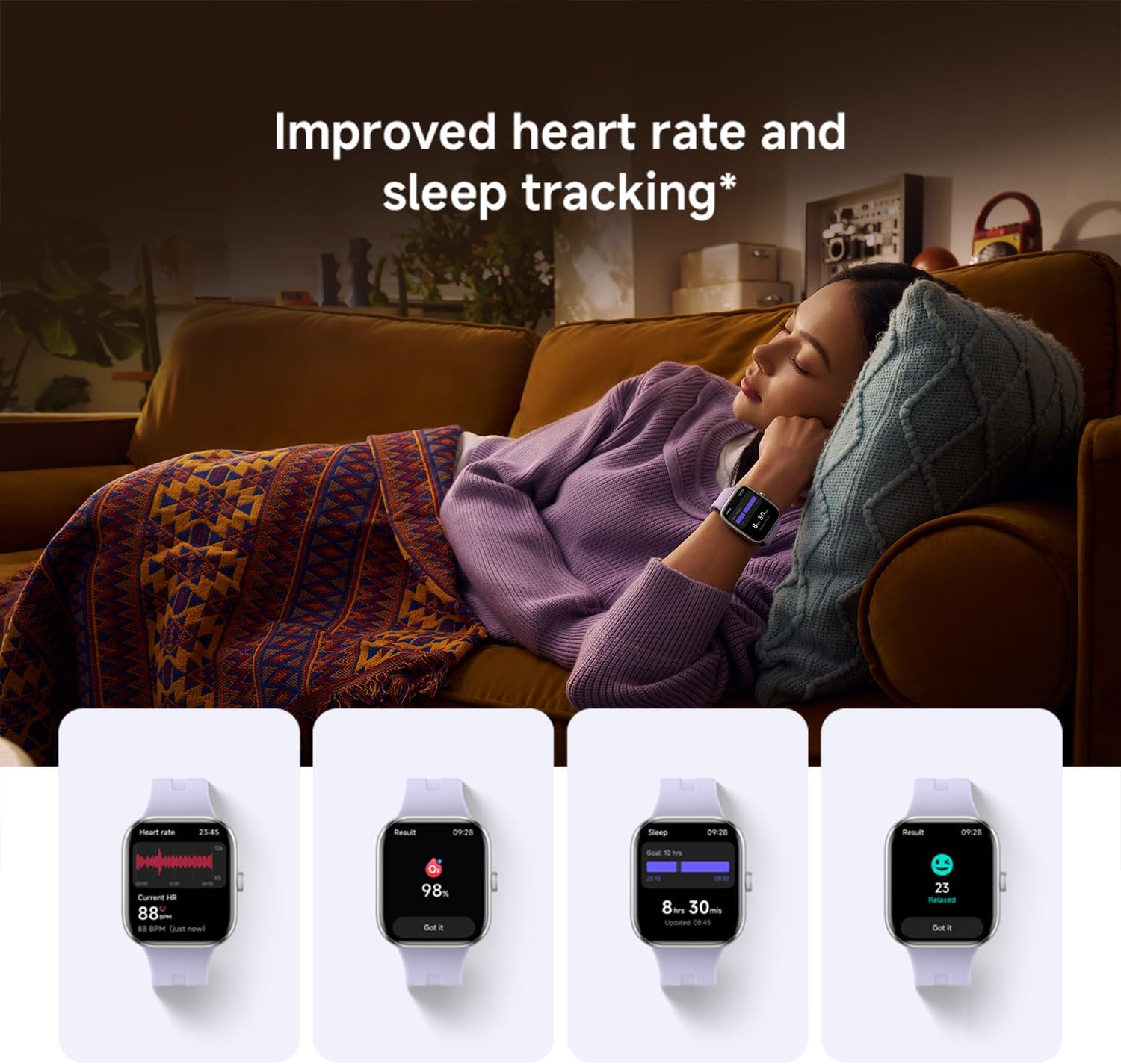
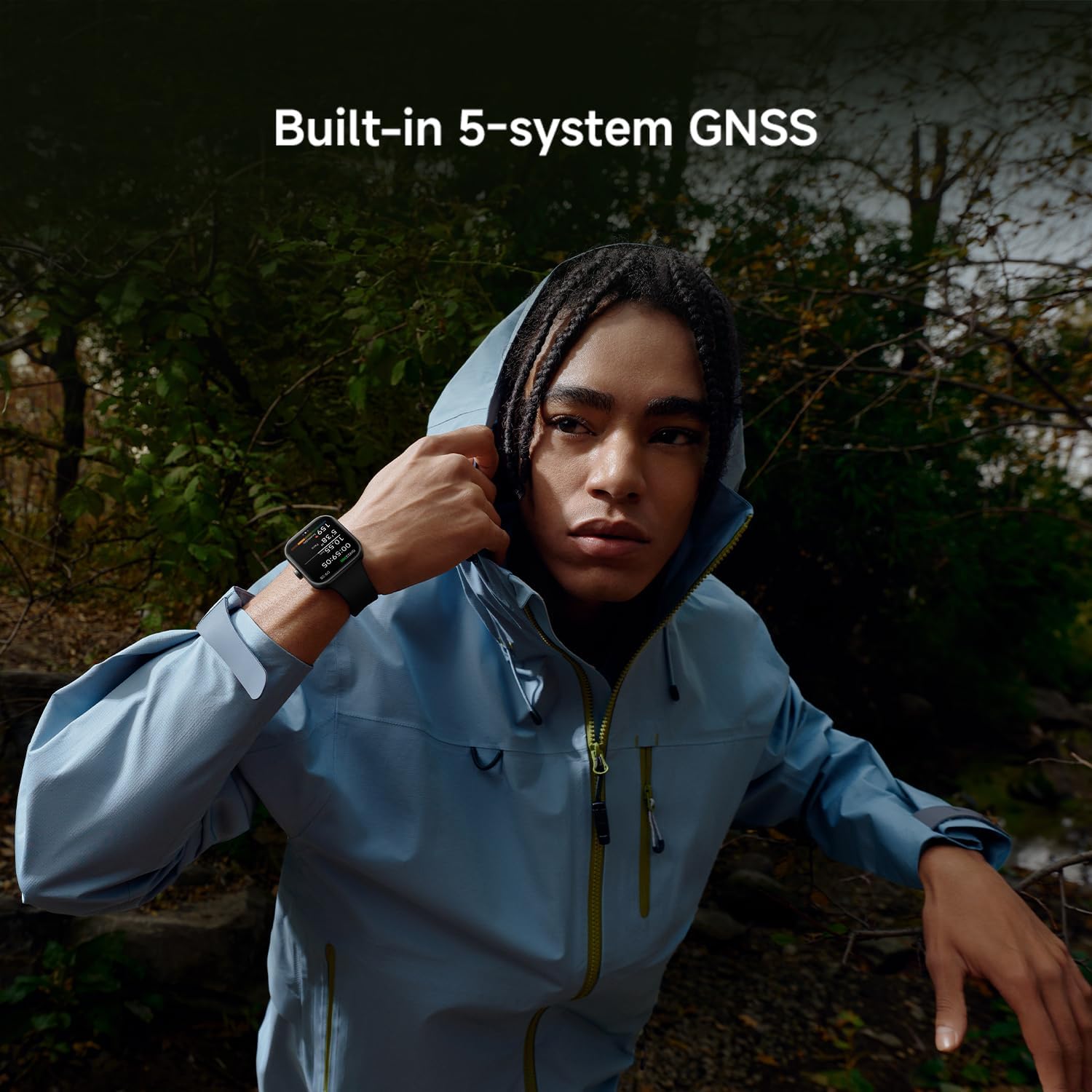
The Xiaomi Redmi Watch 5 is engineered to support a wide range of physical activities, making it a strong contender for users who prioritize fitness tracking. With 150+ preloaded sports modes, the device accommodates diverse exercise routines, from running and cycling to yoga and swimming. The inclusion of GPS via Bluetooth connectivity allows for accurate route mapping during outdoor activities, though users should note that standalone GPS functionality is not available. This limitation means the watch relies on a paired smartphone for location data, which may be a consideration for those requiring independent navigation.
Multi-Sport Mode Support
The 150+ sports modes cater to both casual and dedicated users, offering tailored tracking for activities such as weightlifting, hiking, and even water sports. Each mode provides real-time metrics like heart rate, calories burned, and distance covered, enabling users to monitor their performance effectively. The device’s compatibility with Bluetooth-connected GPS systems ensures that outdoor activities can be logged with precision, though the absence of a built-in GPS module may affect the accuracy of location data during extended sessions.
Health Metrics and Blood Oxygen Tracking
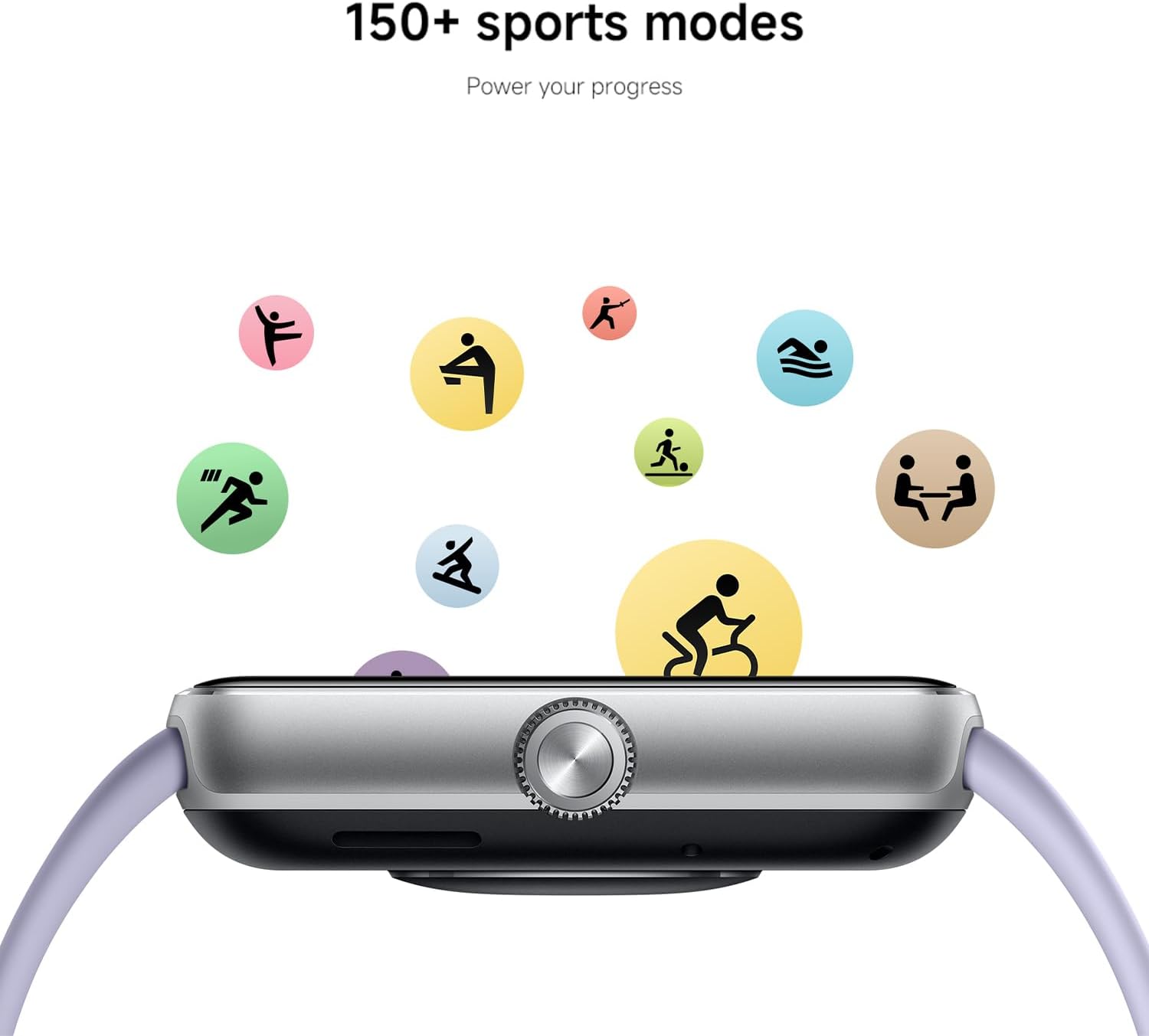
Beyond fitness tracking, the Redmi Watch 5 includes a blood oxygen sensor that provides insights into respiratory health and altitude adaptation. This feature is particularly useful for users living in high-altitude areas or those engaging in activities that may affect oxygen levels. The heart rate sensor works in tandem with the blood oxygen monitor to offer a holistic view of cardiovascular health, though the accuracy of these readings depends on the quality of the sensors and environmental conditions.
Integration with Fitness Apps
The watch’s compatibility with Xiaomi HyperOS allows for seamless integration with third-party fitness applications, enabling users to sync data across platforms. This interoperability ensures that health metrics can be analyzed in greater depth, though the absence of direct app integration for certain services may require additional setup. The device’s ability to track sleep patterns and activity levels further enhances its utility for users aiming to maintain a balanced lifestyle.
Sensor Accuracy and Data Reliability
Sensor accuracy is a critical factor in the performance of any wearable device, particularly for users relying on health and fitness data. The Xiaomi Redmi Watch 5 incorporates a suite of sensors, including a heart rate monitor, blood oxygen sensor, accelerometer, and gyroscope, all of which contribute to its tracking capabilities. However, the reliability of these sensors is influenced by factors such as environmental conditions, user movement patterns, and the device’s software algorithms.
Heart Rate and Blood Oxygen Monitoring
The heart rate sensor utilizes photoplethysmography (PPG) technology to measure blood flow, providing continuous monitoring during physical activities. While this method is widely used in wearables, its accuracy can vary depending on the user’s skin tone and ambient light conditions. The blood oxygen sensor, which measures SpO2 levels, is designed to detect changes in oxygen saturation, making it useful for assessing respiratory health. However, users should be aware that these sensors may not provide medical-grade precision and are intended for general health awareness rather than clinical diagnosis.
Accelerometer and Gyroscope Performance
The accelerometer and gyroscope work together to track movement patterns, enabling features such as step counting, posture correction, and fall detection. These sensors are calibrated to detect subtle changes in motion, though their effectiveness may be impacted by the device’s placement on the wrist. Users who engage in high-impact activities may find the sensors more accurate when worn snugly against the skin, while those with larger wrists may experience slight variations in motion detection.
Environmental and Usage Factors
Environmental conditions such as temperature and humidity can affect sensor performance, particularly for the heart rate and blood oxygen sensors. The device’s ambient light sensor adjusts screen brightness to optimize readability, but extreme lighting conditions may interfere with the accuracy of these readings. Additionally, the watch’s reliance on Bluetooth connectivity for GPS data means that signal strength can influence the precision of location tracking, especially in areas with poor cellular coverage.
Comfort, Fit, and Wearability
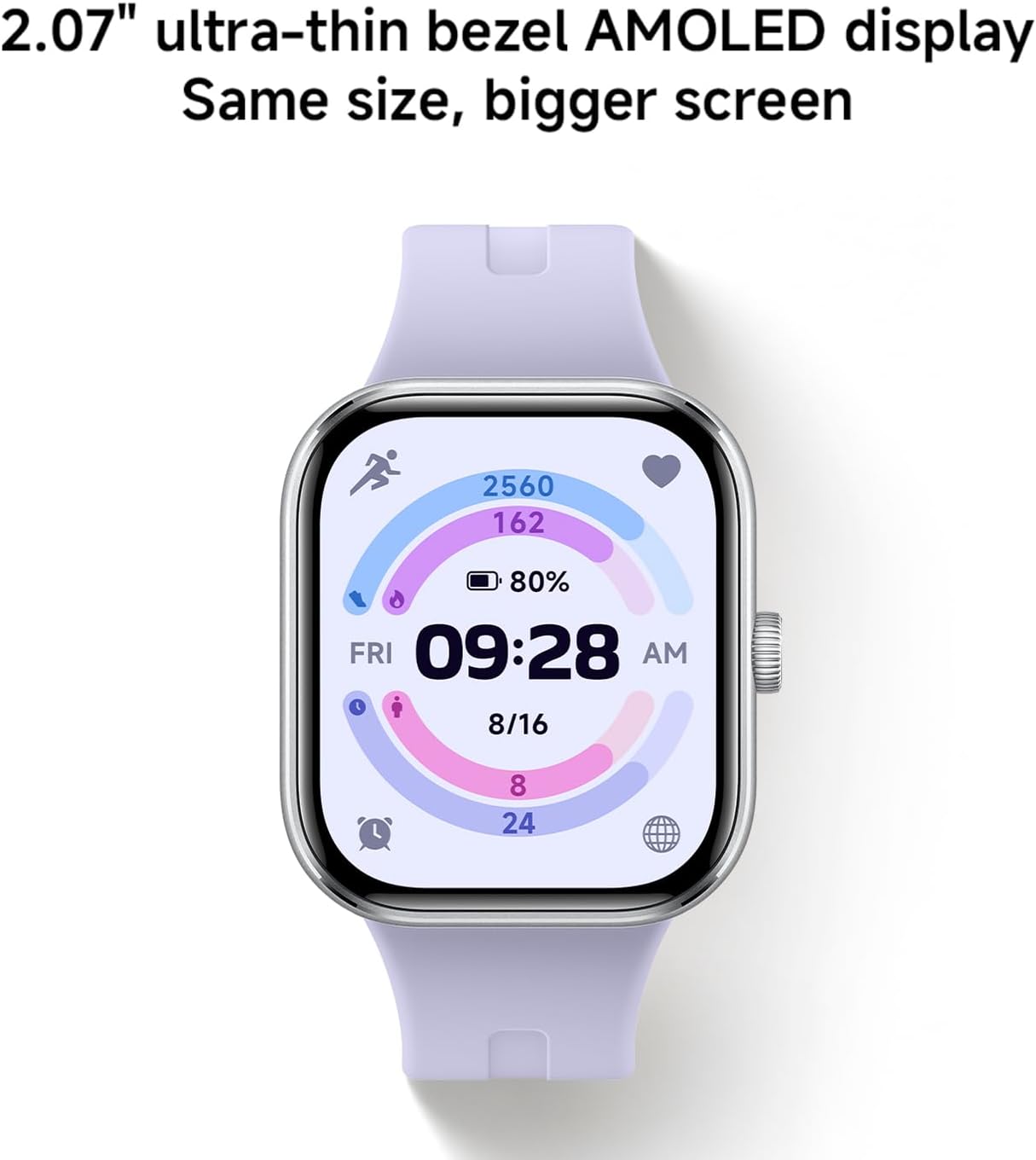
A wearable device’s comfort and fit are essential for long-term usability, especially for users who wear it throughout the day. The Xiaomi Redmi Watch 5 features a strap that adjusts to accommodate wrist sizes ranging from 5.31 to 8.07 inches, making it suitable for a wide range of users. The 2.07-inch LCD display, while larger than many competitors, is designed with a slim bezel to minimize bulk, though its size may affect the device’s overall weight and feel on the wrist.

Strap Design and Adjustability
The adjustable strap allows for customization to fit different wrist sizes, with a maximum width of 8.07 inches. The vacuum filling sealing technology used in the strap reduces bulk while maintaining a secure fit, which is beneficial for users who engage in activities where the watch may be subjected to movement or pressure. However, the strap’s material and texture may vary depending on the color variant, potentially affecting comfort for users with sensitive skin.
Display and User Interface
The 2.07-inch LCD display offers a clear and readable interface, even in direct sunlight, thanks to its high luminescent materials. The 60Hz refresh rate ensures smooth transitions between watch faces and menus, enhancing the user experience. While the LCD screen is functional, it may not provide the same level of clarity as AMOLED displays found in higher-end devices, which could be a consideration for users prioritizing visual quality.
Weight and Durability
The watch’s weight of 2.73 ounces is relatively light for a device of its size, making it comfortable for extended wear. The IP68 rating provides protection against dust and water splashes, though the 5ATM water resistance rating indicates it is suitable for swimming and water sports. Users should avoid submerging the device in deep water or exposing it to extreme temperatures, as these conditions may affect the longevity of the sensors and internal components.
Battery Life and Charging Expectations
Battery life is a crucial consideration for users seeking a wearable that minimizes the need for frequent charging. The Xiaomi Redmi Watch 5 claims up to 24 days of battery life with typical usage, which is significantly longer than many competitors in the same price range. This extended battery life is achieved through a combination of efficient hardware design and power-saving features that optimize energy consumption.
Power Management and Usage Patterns
The watch’s battery capacity of 550 mAh is complemented by a lithium-ion battery cell, which is known for its energy density and longevity. The device’s power management system dynamically adjusts energy consumption based on usage patterns, such as screen brightness, sensor activity, and connectivity status. Users who engage in less frequent data syncing and limit the use of GPS via Bluetooth may experience closer to the maximum battery life.
Haptic Feedback and Vibration Patterns
The Redmi Watch 5 includes over 20 distinct vibration patterns, allowing users to customize alerts and notifications for different scenarios. The linear motor used for haptic feedback ensures a more intuitive and responsive experience compared to traditional vibration motors. However, the intensity and duration of vibrations may vary depending on the device’s settings and the user’s sensitivity to tactile feedback.
Charging and Maintenance
The watch is charged via a magnetic charging dock, which is convenient for users who prefer a wireless charging solution. While the charging process is efficient, the absence of a built-in battery indicator may make it challenging to monitor the remaining charge. Users should also be aware that frequent full discharges may affect the battery’s longevity over time, necessitating periodic calibration to maintain optimal performance.
Device Compatibility and Ecosystem Integration
The Xiaomi Redmi Watch 5’s compatibility with the Xiaomi HyperOS ecosystem is a key advantage for users who own other Xiaomi devices. This integration allows for seamless data synchronization, notifications, and app interactions, enhancing the overall user experience. However, the watch’s reliance on Bluetooth connectivity for certain features may limit its functionality when used with non-Xiaomi smartphones.

HyperOS Integration and App Support
The watch’s compatibility with Xiaomi HyperOS enables users to access a range of features, including smart home control, messaging notifications, and app-based health tracking. This integration is particularly beneficial for users who prioritize a cohesive digital experience across their devices. However, the availability of third-party apps may be limited compared to more widely supported platforms, which could be a drawback for users seeking greater customization.
Bluetooth Connectivity and Cross-Platform Use
While the Redmi Watch 5 supports Bluetooth connectivity for phone calls and music playback, its integration with non-Xiaomi smartphones may be less seamless. Users who rely on third-party apps for fitness tracking or messaging may need to configure additional settings to ensure compatibility. The device’s ability to sync with popular fitness platforms is a plus, but the absence of direct app integration for certain services could require manual data transfer.
Software Updates and Long-Term Support
The watch’s software updates are managed through the Xiaomi HyperOS platform, which provides periodic updates to enhance functionality and security. However, the frequency and scope of these updates may vary, and users should be aware that long-term support is not guaranteed. This aspect is particularly relevant for users who rely on the device for critical health tracking or professional use.
Pros & Cons
Pros
- Extended Battery Life: The 24-day battery life significantly reduces the need for frequent charging, making it ideal for users who travel or have busy schedules.
- 150+ Sports Modes: The wide range of preloaded sports modes caters to diverse fitness activities, offering tailored tracking for different exercise types.
- 5ATM Water Resistance: The device’s water resistance makes it suitable for swimming and other water-based activities, enhancing its versatility.
- Multi-Language Support: The watch supports multiple languages, including English, German, Italian, and Spanish, catering to a global user base.
- Voice Recording Feature: The independent voice recorder is a unique addition, allowing users to capture notes, meetings, or other audio content without a smartphone.
- IP68 Dust Resistance: The device’s dust resistance ensures durability in environments with exposure to dust or debris.
- Haptic Feedback Customization: The 20 vibration patterns provide a personalized experience for notifications and alerts.
- Bluetooth Connectivity: Seamless integration with smartphones for calls, music, and data syncing enhances usability.
Cons
- No Built-in GPS: The reliance on Bluetooth-connected GPS for location data may affect accuracy during extended outdoor activities.
- Limited Software Updates: The frequency and scope of software updates may not meet the expectations of users requiring long-term support.
- LCD Display Limitations: While the 2.07-inch LCD screen is functional, it may not provide the same level of clarity as AMOLED displays found in higher-end devices.
- Strap Material Variability: The strap’s texture and material may vary depending on the color variant, potentially affecting comfort for users with sensitive skin.
- Charging Dock Dependency: The magnetic charging dock, while convenient, may not be as universally compatible as standard USB charging solutions.
- Environmental Sensitivity: The device’s sensors may be affected by extreme temperatures or humidity, impacting data accuracy in certain conditions.
Final Verdict: Who This Wearable Is Best For (and Who Should Skip It)
The Xiaomi Redmi Watch 5 is an excellent choice for users who prioritize long battery life, a wide range of fitness tracking modes, and environmental durability. Its 24-day battery life and 5ATM water resistance make it particularly appealing to casual users and fitness enthusiasts who engage in water-based activities. The inclusion of a voice recorder and multi-language support further enhances its utility for a diverse user base. However, the watch may not be the best fit for users who require standalone GPS functionality, frequent software updates, or a higher level of display clarity. For those seeking a balance between performance and affordability, the Redmi Watch 5 offers a compelling option, though its limitations in certain areas should be carefully considered before purchase.

Frequently Asked Questions (FAQs)
Does the Xiaomi Redmi Watch 5 support standalone GPS functionality?
The Xiaomi Redmi Watch 5 does not have a built-in GPS module. It relies on Bluetooth connectivity to a smartphone for GPS data, which may affect location accuracy during extended outdoor activities.
How long does the battery last on the Xiaomi Redmi Watch 5?
The Xiaomi Redmi Watch 5 offers up to 24 days of battery life with typical usage. This extended battery life is achieved through efficient power management and a lithium-ion battery cell.
Can the Xiaomi Redmi Watch 5 track blood oxygen levels?
Yes, the watch includes a blood oxygen sensor that measures SpO2 levels. This feature provides insights into respiratory health and altitude adaptation, though it is not intended for medical diagnosis.
What is the water resistance rating of the Xiaomi Redmi Watch 5?
The Xiaomi Redmi Watch 5 has a 5ATM water resistance rating, making it suitable for swimming and water sports. However, it should not be submerged in deep water or exposed to extreme temperatures.
Does the Xiaomi Redmi Watch 5 support multi-language settings?
Yes, the watch supports multiple languages, including English, German, Italian, and Spanish. This feature enhances usability for a global user base.
Can the Xiaomi Redmi Watch 5 record voice without a smartphone?
The watch includes an independent voice recorder feature, allowing users to capture notes, meetings, or other audio content without needing a smartphone.
What is the display size of the Xiaomi Redmi Watch 5?
The Xiaomi Redmi Watch 5 features a 2.07-inch LCD display with a 60Hz refresh rate. While functional, it may not provide the same level of clarity as AMOLED displays found in higher-end devices.
How does the Xiaomi Redmi Watch 5 handle haptic feedback?
The watch includes over 20 distinct vibration patterns for notifications and alerts. The linear motor used for haptic feedback ensures a more intuitive and responsive experience compared to traditional vibration motors.