The Importance of Choosing the Right VR Experience
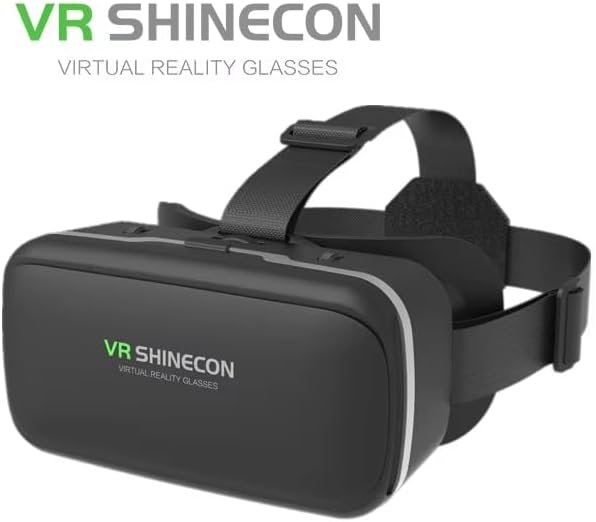
In the rapidly evolving landscape of immersive technology, selecting the right virtual reality (VR) headset is critical for achieving optimal engagement and usability. For users seeking to explore 3D content, brainwave entrainment sessions, or virtual tours, the compatibility, comfort, and design of a VR headset can significantly impact the overall experience. The VR Headset for Brain Aligned System, model Vr-phone-2023, represents a unique approach to VR accessibility by leveraging smartphone integration. This device is tailored for individuals who prioritize immersive content consumption without the need for dedicated VR hardware. Its design emphasizes adaptability, comfort, and ease of use, making it an attractive option for users who value portability and cross-platform functionality. However, the absence of built-in sensors and limited battery life considerations may influence its suitability for specific use cases. Understanding the technical specifications, user feedback, and design philosophy of this headset is essential for evaluating its role in the 2026 wearable technology market.
Quick Overview
| Feature | Details |
|---|---|
| Device Category | Smartphone-based VR headset |
| Supported Tracking Metrics | None (content-driven VR experience) |
| Sensors and Hardware | Adjustable headband, HD optical lenses, pupil distance adjustment |
| Battery Life Expectations | Not applicable (reliant on smartphone power) |
| Platform Compatibility | Android and iOS devices |
| Intended User Profiles | 14+ years for 3D movies, brainwave entrainment, virtual tours |
| Durability Ratings | Lightweight, breathable padding; no explicit resistance ratings |
| Warranty and Support | Not specified in product documentation |
The Vr-phone-2023 headset prioritizes immersive content delivery through its smartphone integration, offering a flexible solution for users who prefer not to invest in dedicated VR hardware. Its adjustable design and wide field of view cater to a range of user preferences, though the reliance on smartphone power and lack of built-in sensors may limit its versatility for advanced applications.

Compatibility and Cross-Platform Integration
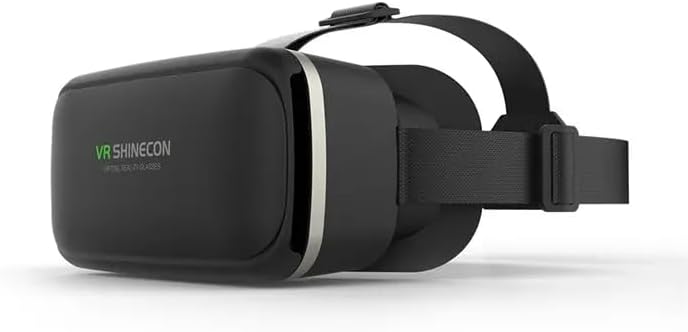
The Vr-phone-2023 headset’s universal compatibility with smartphones between 4.7 and 6.7 inches ensures broad accessibility for users with a wide range of device preferences. This design choice eliminates the need for specialized hardware, making the headset an attractive option for those who already own a compatible smartphone. The cross-platform support for both Android and iOS devices further enhances its appeal, allowing users to seamlessly transition between operating systems without compromising the VR experience. However, the reliance on smartphone processing power means that performance may vary depending on the device’s capabilities, potentially affecting the smoothness of 3D content playback. This approach aligns with industry trends toward modular and adaptable wearable technology, though it may not meet the needs of users requiring more robust computational resources.
Smartphone Compatibility and Performance
The headset’s compatibility with smartphones in the 4.7-6.7 inch range ensures that most modern devices can be utilized for immersive content. This design choice reduces the barrier to entry for VR adoption, as users can leverage existing hardware rather than purchasing additional equipment. However, the performance of the VR experience is contingent on the smartphone’s processing power and graphical capabilities. Devices with higher-end processors and dedicated graphics chips may deliver smoother, more detailed visuals, while lower-end devices may experience lag or reduced resolution. This variability underscores the importance of selecting a compatible smartphone that aligns with the user’s specific needs and expectations.
Cross-Platform Support
The Vr-phone-2023 headset’s support for both Android and iOS devices reflects a strategic decision to accommodate a diverse user base. This cross-platform compatibility ensures that users can access VR content regardless of their preferred mobile operating system. However, the absence of built-in sensors or dedicated hardware for motion tracking means that the headset’s functionality is primarily limited to content delivery rather than interactive applications. This limitation may affect users seeking advanced features such as gesture recognition or spatial audio enhancements, which are often associated with more sophisticated VR systems.
Setup and Installation
The headset’s quick-release front panel simplifies the installation and removal of smartphones, allowing users to easily switch devices or access charging ports without disrupting the VR experience. This feature enhances convenience, particularly for users who frequently change their devices or require regular charging. However, the lack of a dedicated charging port for the headset itself means that users must rely on their smartphone’s power source, which may limit the duration of extended VR sessions. This design choice prioritizes portability and ease of use but may not be ideal for users requiring prolonged immersive experiences.
Comfort and Wearability for Extended Use
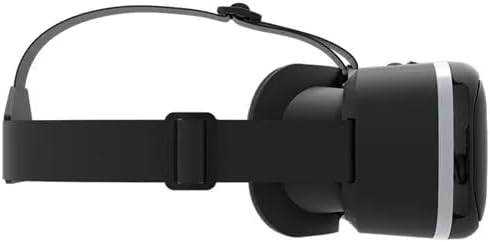
The Vr-phone-2023 headset’s design emphasizes comfort and wearability, particularly for users engaging in extended VR sessions. The lightweight construction and breathable padding around the eye area contribute to a more comfortable fit, reducing the risk of fatigue during prolonged use. The adjustable headband allows users to customize the fit according to their head shape, ensuring a secure and personalized experience. These design elements are crucial for users who prioritize long-term usability, as discomfort can significantly detract from the overall VR experience. However, the absence of a built-in battery or dedicated cooling system may limit the headset’s effectiveness for extended use, as users must rely on their smartphone’s power and thermal management capabilities.

Adjustable Design for Personalization
The adjustable headband and pupil distance settings enable a highly customizable fit, accommodating a wide range of head sizes and visual preferences. This adaptability is particularly beneficial for users who require precise alignment to minimize eye strain or enhance the clarity of 3D content. The ability to fine-tune the headset ensures that users can achieve an optimal viewing experience tailored to their individual needs. However, the reliance on manual adjustments may require some trial and error to achieve the perfect fit, which could be a minor inconvenience for users seeking a more automated setup process.
Breathable Padding and Weight Distribution
The breathable padding around the eye area and lightweight construction of the headset contribute to a more comfortable experience during extended use. These design choices help mitigate the risk of heat buildup and pressure points, which are common issues with many VR headsets. The even weight distribution across the headband further enhances comfort, reducing the likelihood of discomfort or fatigue during prolonged sessions. However, the absence of a dedicated cooling system means that users must rely on the natural ventilation provided by the headset’s design, which may not be sufficient for extended use in warmer environments.
Suitability for Long-Term Wear
While the Vr-phone-2023 headset is designed for comfort, its suitability for long-term wear depends on the user’s specific needs and the environment in which it is used. The lightweight construction and adjustable design make it a viable option for users who engage in shorter VR sessions or prefer a more portable solution. However, for users requiring extended immersive experiences, the reliance on smartphone power and the lack of a dedicated cooling system may limit its effectiveness. This trade-off between portability and long-term usability is an important consideration when evaluating the headset’s overall performance.
Ease of Use and Accessibility
The Vr-phone-2023 headset’s design prioritizes ease of use, with features that simplify the installation and operation of VR content. The quick-release front panel allows users to easily insert and remove their smartphone, ensuring a seamless transition between sessions. This feature is particularly beneficial for users who frequently switch devices or require regular charging, as it eliminates the need for complex disassembly or additional accessories. The headset’s intuitive design also extends to its user interface, which is optimized for smartphone-based navigation, making it accessible to users with varying levels of technical expertise. However, the absence of a dedicated control panel or additional input methods may limit the headset’s functionality for users who require more advanced interaction options.

Simplified Installation and Maintenance
The quick-release front panel significantly reduces the time and effort required to install or remove the smartphone, enhancing the overall user experience. This design choice ensures that users can quickly access their devices without disrupting the VR environment, which is particularly useful for users who need to charge their phones or switch between different content sources. The simplicity of the installation process also contributes to the headset’s accessibility, making it an attractive option for users who prioritize convenience and ease of use. However, the reliance on manual adjustments for fit and alignment may require some initial setup time, which could be a minor drawback for users seeking a more automated process.
User Interface and Navigation
The Vr-phone-2023 headset’s user interface is designed to be intuitive and user-friendly, with navigation optimized for smartphone-based control. This approach ensures that users can easily access and manage VR content without the need for additional hardware or complex software. The simplicity of the interface is particularly beneficial for users who are new to VR technology, as it reduces the learning curve associated with setting up and operating the headset. However, the lack of dedicated control buttons or gesture recognition features may limit the headset’s functionality for users who require more advanced interaction capabilities.
Accessibility for Diverse Users
The headset’s design and features make it accessible to a wide range of users, including those with varying levels of technical proficiency. The adjustable headband and pupil distance settings allow for a personalized fit, accommodating different head shapes and visual preferences. Additionally, the lightweight construction and breathable padding contribute to a more comfortable experience, which is essential for users who engage in prolonged VR sessions. However, the absence of built-in sensors or additional input methods may limit the headset’s accessibility for users who require more advanced features or specialized functionalities.
Pros & Cons
Pros
- Universal Compatibility: The headset’s support for smartphones between 4.7 and 6.7 inches ensures broad accessibility, making it suitable for a wide range of users.
- Adjustable Design: The customizable headband and pupil distance settings allow for a personalized fit, enhancing comfort and visual clarity.
- Wide Field of View: The HD optical lenses provide a clear, distortion-free experience, immersing users in 3D content.
- Ease of Use: The quick-release front panel simplifies installation and maintenance, reducing the time required for setup.
- Lightweight Construction: The breathable padding and lightweight design contribute to a more comfortable experience during extended use.
- Cross-Platform Support: Compatibility with both Android and iOS devices ensures seamless integration across different operating systems.
Cons
- Limited Battery Life: Reliance on smartphone power means that the headset’s performance is contingent on the device’s battery capacity, potentially limiting extended use.
- No Built-In Sensors: The absence of motion tracking or gesture recognition features restricts the headset’s functionality to content delivery rather than interactive applications.
- No Dedicated Cooling System: The lack of a cooling mechanism may affect comfort during prolonged use, particularly in warmer environments.
- Manual Adjustments Required: The need for manual fitting and alignment may require some trial and error to achieve the optimal experience.
- Limited Software Features: The headset’s reliance on smartphone-based navigation may limit the availability of advanced software features or customization options.
Final Verdict: Who This Wearable Is Best For (and Who Should Skip It)
The Vr-phone-2023 headset is best suited for users who prioritize immersive content consumption without the need for dedicated VR hardware. Its universal compatibility with smartphones and adjustable design make it an attractive option for individuals seeking a portable and flexible VR solution. The wide field of view and lightweight construction further enhance its appeal for users who engage in shorter VR sessions or prefer a more convenient setup. However, the reliance on smartphone power and the absence of built-in sensors may limit its effectiveness for users requiring advanced features or extended use. This headset is particularly well-suited for those interested in 3D movies, brainwave entrainment, or virtual tours, but may not be ideal for users seeking interactive applications or prolonged immersive experiences. Its design and functionality make it a viable choice for casual users, but those requiring more robust performance or advanced features may find it less suitable.

Frequently Asked Questions (FAQs)
Is the VR Headset for Brain Aligned System compatible with all smartphones?
The VR Headset for Brain Aligned System is compatible with smartphones ranging from 4.7 to 6.7 inches. This ensures compatibility with most modern devices, though performance may vary depending on the smartphone’s processing power and graphical capabilities.
Can the headset be used with both Android and iOS devices?
Yes, the Vr-phone-2023 headset supports both Android and iOS devices, providing cross-platform compatibility for users who prefer either operating system.
How does the adjustable headband enhance the user experience?
The adjustable headband allows users to customize the fit according to their head shape, ensuring a secure and personalized experience. This adaptability helps reduce discomfort and improve visual clarity during extended use.
What is the field of view provided by the headset?
The headset features a wide field of view with HD optical lenses, delivering clear and distortion-free 3D virtual reality content. This wide field of view enhances immersion and provides a more engaging experience.
Is the headset suitable for extended VR sessions?
While the headset is designed for comfort, its suitability for extended use depends on the user’s needs. The lightweight construction and breathable padding contribute to a more comfortable experience, but reliance on smartphone power may limit prolonged sessions.
What are the limitations of the Vr-phone-2023 headset?
The headset lacks built-in sensors and a dedicated cooling system, which may affect its functionality for interactive applications and comfort during prolonged use. Additionally, performance is contingent on the smartphone’s battery capacity and processing power.
Can the headset be used for brainwave entrainment sessions?
The VR Headset for Brain Aligned System is designed to support brainwave entrainment sessions as part of its intended use cases. However, the effectiveness of these sessions may depend on the quality of the content and the user’s individual experience.
What is the recommended usage scenario for this headset?
The headset is ideal for users interested in 3D movies, virtual tours, and brainwave entrainment sessions. It is best suited for casual users who prioritize portability and cross-platform compatibility over advanced interactive features.