The Importance of Choosing the Right Wearable Device
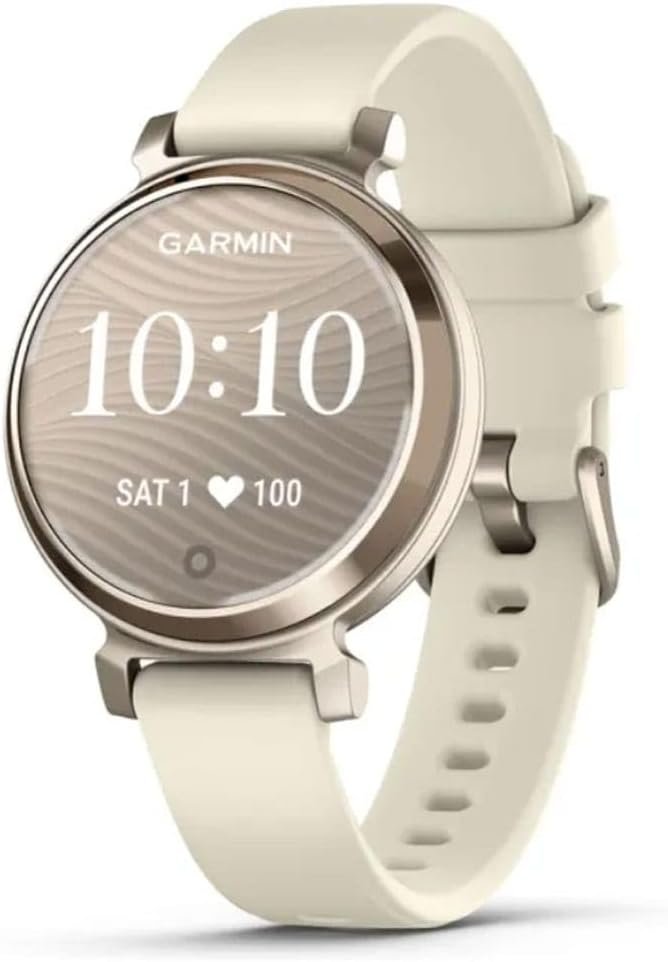
In today’s fast-paced world, wearable technology has become an essential tool for managing health, productivity, and personal style. From fitness trackers to smartwatches, these devices offer real-time data on activity levels, physiological metrics, and connectivity features that can enhance daily routines. However, the sheer variety of options available can make it challenging to select a device that aligns with individual needs and preferences. For users prioritizing aesthetics, functionality, and seamless integration into their lifestyle, the Garmin Lily 2 smartwatch presents a compelling choice. Designed for those who value a discreet yet informative wearable, this device combines a compact form factor with advanced health tracking capabilities. Its hidden display, patterned lens, and extended battery life cater to users seeking a balance between style and utility. Whether the goal is to monitor daily activity, track menstrual cycles, or stay connected without compromising on fashion, the Lily 2 offers a tailored experience. This review evaluates its performance across key criteria, including sensor accuracy, comfort, battery efficiency, and compatibility, to help potential buyers make an informed decision.
Quick Overview
| Feature | Details |
|---|---|
| Device Category | Smartwatch with hidden display |
| Supported Tracking Metrics | Steps, heart rate, sleep, stress, menstrual cycle, hydration, Body Battery energy |
| Sensors and Hardware | Touchscreen, Bluetooth, GPS via smartphone, lithium polymer battery |
| Battery Life | Up to 5 days (with daily use) |
| Platform Compatibility | Android & iOS |
| Intended User Profiles | Fashion-conscious individuals, health-aware users, lifestyle-focused professionals |
| Durability Ratings | IP68 water resistance, scratch-resistant lens |
| Warranty and Software Support | 2-year limited warranty, regular firmware updates |
The Garmin Lily 2’s combination of discreet design and comprehensive health tracking makes it suitable for users who want to monitor their well-being without drawing attention. Its hidden display and patterned lens offer a unique aesthetic, while the battery life ensures minimal recharging needs. The integration with smartphone GPS and Bluetooth connectivity enhances its utility for outdoor activities and notifications. These features collectively position the Lily 2 as a versatile option for those seeking a stylish yet functional wearable.

Activity and Health Tracking Suitability
The Garmin Lily 2 is engineered to provide a holistic view of daily activity and health metrics, making it ideal for users who want to monitor their physical well-being without sacrificing style. The device’s hidden display and touchscreen interface allow for easy access to key data points, such as step counts, heart rate, and stress levels, without the need for constant attention. Its ability to track menstrual cycle patterns, hydration levels, and Body Battery energy offers insights into both physical and emotional wellness. For users who prioritize a discreet yet informative wearable, the Lily 2’s focus on health tracking aligns with the growing demand for devices that integrate seamlessly into daily life. The inclusion of GPS via smartphone ensures accurate outdoor activity tracking, while the ability to monitor sleep quality provides valuable feedback on rest patterns. These features collectively support a proactive approach to health management, making the Lily 2 a strong contender for users seeking a balance between functionality and aesthetics.

Comprehensive Health Metrics
The Lily 2’s health tracking capabilities extend beyond basic step counting to include advanced metrics such as respiration rate, stress levels, and menstrual cycle tracking. These features are supported by a combination of optical sensors and motion detection technology, which work together to provide accurate data. The device’s ability to monitor hydration levels and Body Battery energy offers users a more nuanced understanding of their physical state, enabling better-informed decisions about activity and rest. For individuals interested in long-term health trends, the Lily 2’s data collection is designed to be consistent and reliable, though it should be noted that all metrics are presented as close estimations rather than medical-grade measurements. This approach ensures that users receive actionable insights without overstepping the bounds of what wearable technology can realistically provide.
Outdoor and Mobility Tracking
While the Lily 2 does not include built-in GPS, its compatibility with smartphone GPS allows for accurate tracking of outdoor activities such as walks, runs, and cycling. This feature is particularly beneficial for users who want to monitor their movement without carrying a separate device. The integration of GPS data with the Lily 2’s motion sensors ensures that activity metrics are recorded with minimal user input, making it convenient for those who prefer a hands-free approach. Additionally, the device’s ability to track yoga, Pilates, and dance fitness sessions via compatible apps caters to users interested in a variety of exercise routines. The combination of GPS and motion tracking ensures that users receive detailed insights into their physical activity, though the reliance on smartphone connectivity may introduce minor delays in data synchronization.
Sensor Accuracy and Data Reliability
The accuracy of health and activity data is a critical factor in the usability of any wearable device. The Garmin Lily 2 employs a combination of optical sensors and motion detection technology to gather data, which is then processed to provide insights into user behavior and physiological metrics. While the device’s sensors are designed to deliver consistent performance, it is important to note that all data is presented as close estimations rather than medical-grade measurements. This approach is standard in the industry, as wearable technology is not intended to replace professional medical devices. The Lily 2’s ability to track heart rate, stress levels, and sleep patterns is supported by its optical sensors, which are capable of detecting changes in blood flow and movement. However, users should be aware that environmental factors, such as temperature and physical movement, may affect the accuracy of these readings. For those seeking precise health data, the Lily 2’s performance is adequate for general use but may not meet the requirements of medical professionals or individuals with specific health conditions.

Data Consistency and Calibration
The Lily 2’s data collection is designed to be consistent across different usage scenarios, though users may notice variations in accuracy depending on their activity level and environment. The device’s motion sensors are capable of detecting subtle changes in movement, which is essential for tracking steps and activity intensity. However, the accuracy of heart rate monitoring may be influenced by factors such as skin contact with the band and the presence of external movements. To ensure the most accurate readings, users are advised to wear the device correctly and avoid excessive motion during data collection. The Lily 2’s ability to provide reliable data over time is supported by its regular firmware updates, which enhance sensor performance and data processing algorithms. While the device does not offer advanced calibration features, its consistent performance across multiple usage scenarios makes it a reliable choice for everyday health tracking.
Privacy and Data Security
The Lily 2’s data collection and storage practices are aligned with industry standards for wearable technology, though users should be aware of the potential risks associated with any connected device. The device’s data is stored locally on the watch and synchronized with the Garmin Connect app, which requires a secure internet connection. While the Lily 2 does not offer end-to-end encryption for all data, it does provide users with the ability to control their data sharing preferences. The device’s reliance on smartphone connectivity means that data security is partially dependent on the security measures implemented by the user’s mobile device. For users concerned about privacy, the Lily 2’s design prioritizes data minimization, ensuring that only essential metrics are collected and stored. However, it is recommended that users take standard cybersecurity precautions, such as using strong passwords and enabling two-factor authentication, to protect their data.
Comfort, Fit, and Wearability
The comfort and wearability of a wearable device are essential for long-term use, and the Garmin Lily 2 is designed with a focus on user experience in this regard. The device’s compact size and lightweight construction make it suitable for all-day wear, though users may need to adjust the band for optimal comfort. The silicone band offers a flexible fit, which is ideal for users with varying wrist sizes. However, the device’s small form factor may make it challenging to use in situations requiring frequent interaction, such as typing or handling small objects. The Lily 2’s hidden display and patterned lens contribute to its aesthetic appeal, but users should be aware that the touchscreen interface may require careful handling to avoid accidental inputs. For those who prioritize a discreet yet functional wearable, the Lily 2’s design strikes a balance between style and usability. However, users who prefer a more prominent display or additional customization options may find the device’s design limitations restrictive.

Band Options and Adjustability
The Lily 2’s silicone band is designed to provide a comfortable fit while maintaining a sleek appearance. The band’s flexibility allows for easy adjustments to accommodate different wrist sizes, though users may need to experiment with the positioning to find the most comfortable fit. The device’s small size means that the band must be carefully positioned to avoid pressure points, which could lead to discomfort over extended wear. The availability of two band color options adds to the device’s versatility, allowing users to match their style with their outfit. However, the lack of additional band types, such as leather or metal, may limit customization for users who prefer alternative materials. The Lily 2’s band design is suitable for everyday wear but may not be ideal for users who require a more durable or adjustable option.
Durability and Environmental Resistance
The Garmin Lily 2 is built to withstand the rigors of daily use, with a focus on durability and environmental resistance. The device’s IP68 rating ensures that it is protected against water splashes and light rain, making it suitable for use in various weather conditions. The scratch-resistant lens helps maintain the device’s appearance over time, though users should avoid exposing it to abrasive materials. The lithium polymer battery is designed for long-term use, though it may degrade over time with frequent charging. The Lily 2’s durability is further enhanced by its lightweight construction, which reduces the risk of physical damage from accidental drops. However, the device’s small size and hidden display may make it more susceptible to minor scratches or pressure marks. For users who require a more rugged device, the Lily 2’s durability is adequate for everyday wear but may not meet the expectations of those who engage in extreme activities.
Battery Life and Charging Expectations
Battery life is a critical consideration for any wearable device, and the Garmin Lily 2 excels in this area with its up to 5-day battery life. This extended battery life is made possible by the device’s efficient power management system, which optimizes energy consumption without compromising performance. The Lily 2’s ability to maintain a long battery life is particularly beneficial for users who prefer minimal recharging and want to avoid the inconvenience of daily charging. However, the battery life may vary depending on usage patterns, such as the frequency of notifications and the use of GPS features. The device’s charging process is straightforward, requiring a USB connection to a power source. While the Lily 2 does not offer fast charging capabilities, its long battery life reduces the need for frequent recharging. For users who prioritize convenience and reliability, the Lily 2’s battery life is a significant advantage, though those who rely on daily charging may find the device’s performance slightly less optimal.

Power Management and Optimization
The Lily 2’s power management system is designed to extend battery life while maintaining the device’s functionality. The device’s ability to operate for up to 5 days with daily use is a result of its optimized software and hardware integration. The power-saving features include automatic screen dimming, reduced background activity during periods of inactivity, and efficient sensor operation. These optimizations ensure that the device remains functional without draining the battery excessively. However, users should be aware that certain features, such as continuous heart rate monitoring or frequent GPS usage, may reduce battery life. The Lily 2’s power management system is effective for most users, though those who require extended battery life in extreme conditions may find the device’s performance slightly limited.
Charging Process and Convenience
The Lily 2’s charging process is straightforward, requiring a USB connection to a power source. The device’s charging port is designed for ease of use, though users may need to ensure the watch is properly aligned for optimal charging efficiency. The battery life of up to 5 days means that users can go several days without needing to recharge, which is ideal for those who prefer minimal maintenance. However, the absence of fast charging capabilities means that users may need to wait longer for the device to fully charge. The Lily 2’s charging process is convenient for most users, though those who require rapid recharging may find the device’s charging speed to be a drawback. Overall, the Lily 2’s battery life and charging process are well-suited for everyday use, though users should consider their specific charging needs before making a purchase.
Device Compatibility and Ecosystem Integration
The Garmin Lily 2 is designed to integrate seamlessly with a wide range of devices and platforms, making it a versatile option for users who rely on multiple connected gadgets. The device’s compatibility with both Android and iOS platforms ensures that it can be paired with a variety of smartphones, allowing for smooth data synchronization and notification management. The Lily 2’s Bluetooth connectivity enables it to function as a secondary device for receiving calls, messages, and calendar reminders, though users should be aware that some features may require the use of a smartphone app for full functionality. The device’s ability to connect to a smartphone’s GPS ensures that outdoor activity tracking is accurate and reliable, though this feature is dependent on the smartphone’s own GPS capabilities. For users who prioritize ecosystem integration, the Lily 2’s compatibility with major platforms is a significant advantage, though those who rely on third-party apps or advanced smart home integrations may find the device’s limitations restrictive.

App Integration and Data Sync
The Lily 2’s integration with the Garmin Connect app is essential for managing its data and features, as the app serves as the primary interface for viewing health metrics, setting goals, and customizing notifications. The app’s user-friendly design allows users to easily navigate through the device’s data, though some advanced features may require a deeper understanding of the app’s settings. The Lily 2’s data sync process is generally reliable, though users may experience minor delays in data synchronization depending on their internet connection. The device’s ability to sync with multiple accounts and devices makes it suitable for users who share data or use multiple devices. However, the lack of advanced data analytics features in the app may limit the depth of insights available to users. For those who prefer a more comprehensive data analysis, the Lily 2’s app integration is functional but may not meet the expectations of more advanced users.
Cross-Platform Functionality
The Lily 2’s cross-platform functionality is a key factor in its appeal, as it allows users to seamlessly integrate the device into their existing technology ecosystem. The device’s compatibility with both Android and iOS ensures that it can be used with a wide range of smartphones, though the experience may vary slightly between platforms. The Lily 2’s ability to receive notifications from both iOS and Android devices is a significant advantage, though users should be aware that some features may require specific app configurations. The device’s reliance on smartphone connectivity for GPS and notifications means that its functionality is partially dependent on the smartphone’s capabilities. For users who prioritize a fully independent wearable experience, the Lily 2’s cross-platform functionality is a strong selling point, though those who require complete autonomy may find the device’s limitations restrictive.
Durability and Environmental Resistance
The Garmin Lily 2 is built to withstand the challenges of daily use, with a focus on durability and environmental resistance. The device’s IP68 rating ensures that it is protected against water splashes and light rain, making it suitable for use in various weather conditions. The scratch-resistant lens helps maintain the device’s appearance over time, though users should avoid exposing it to abrasive materials. The lithium polymer battery is designed for long-term use, though it may degrade over time with frequent charging. The Lily 2’s durability is further enhanced by its lightweight construction, which reduces the risk of physical damage from accidental drops. However, the device’s small size and hidden display may make it more susceptible to minor scratches or pressure marks. For users who require a more rugged device, the Lily 2’s durability is adequate for everyday wear but may not meet the expectations of those who engage in extreme activities.

Environmental Resistance and Protection
The Lily 2’s environmental resistance is designed to provide protection against common wear and tear, though it is not intended for use in extreme conditions. The device’s IP68 rating ensures that it can withstand water splashes and light rain, making it suitable for use in everyday environments. However, users should avoid submerging the device in water or exposing it to high-pressure water jets, as this may void the warranty. The scratch-resistant lens helps maintain the device’s appearance over time, though users should be cautious about using abrasive cleaning materials. The Lily 2’s lightweight construction contributes to its durability, though the device’s small size may make it more prone to minor scratches or pressure marks. For users who prioritize environmental resistance, the Lily 2’s design is suitable for most scenarios, though those who require a more rugged device may find the device’s limitations restrictive.
Long-Term Reliability and Maintenance
The Lily 2’s long-term reliability is supported by its durable construction and regular firmware updates, which help maintain optimal performance over time. The device’s lithium polymer battery is designed for extended use, though users should be aware that battery degradation may occur with frequent charging. The Lily 2’s lightweight design and compact size make it suitable for long-term wear, though users may need to adjust the band for optimal comfort. The device’s reliance on smartphone connectivity for certain features means that its overall reliability is partially dependent on the user’s mobile device. For users who prioritize long-term reliability, the Lily 2’s design and maintenance requirements are well-suited for everyday use, though those who require more advanced durability features may find the device’s performance slightly limited.
Pros & Cons
Pros
- Extended Battery Life: The Lily 2’s up to 5-day battery life minimizes the need for frequent recharging, making it ideal for users who prefer minimal maintenance.
- Stylish Design: The hidden display and patterned lens offer a unique aesthetic, appealing to users who value both functionality and fashion.
- Comprehensive Health Tracking: The device tracks steps, heart rate, sleep, stress, and menstrual cycle data, providing a holistic view of health metrics.
- Smart Notifications: Integration with smartphone notifications allows users to stay connected without constantly checking their phone.
- GPS Compatibility: The ability to use smartphone GPS for outdoor activities ensures accurate tracking of walks, runs, and more.
- Lightweight and Comfortable: The device’s compact size and silicone band make it suitable for all-day wear without causing discomfort.
- Regular Firmware Updates: The Lily 2 receives regular software updates to enhance performance and add new features.
- IP68 Water Resistance: The device is protected against water splashes and light rain, making it suitable for everyday use in various weather conditions.
Cons
- Limited GPS Functionality: While the Lily 2 can use smartphone GPS, it does not have built-in GPS, which may introduce minor delays in data synchronization.
- No Third-Party App Support: The device’s compatibility is limited to Garmin’s ecosystem, which may restrict access to certain apps or features.
- No Water Resistance Beyond IP68: While the device is protected against water splashes, it is not suitable for swimming or submersion in water.
- Dependence on Smartphone Connectivity: The Lily 2’s functionality is partially dependent on smartphone connectivity, which may introduce limitations in certain scenarios.
- No Advanced Calibration Features: The device does not offer advanced calibration options for sensor accuracy, which may affect data precision for some users.
Final Verdict: Who This Wearable Is Best For (and Who Should Skip It)
The Garmin Lily 2 is best suited for users who prioritize a stylish yet functional wearable for everyday use. Its hidden display, patterned lens, and extended battery life make it an excellent choice for individuals who want to monitor their health without compromising on aesthetics. The device’s comprehensive health tracking features, including menstrual cycle and hydration monitoring, cater to users interested in a holistic approach to wellness. Additionally, the Lily 2’s compatibility with smartphone notifications and GPS tracking makes it suitable for those who need to stay connected while on the go. However, the Lily 2 may not be the best choice for users who require advanced GPS functionality, water resistance for swimming, or access to third-party apps. For those seeking a more rugged device or a fully independent wearable experience, the Lily 2’s limitations may make it a less ideal option. Overall, the Lily 2 is a strong contender for users who value a balance between style, health tracking, and convenience in their wearable device.
Frequently Asked Questions (FAQs)
How accurate is the health tracking on the Garmin Lily 2?
The Garmin Lily 2 uses optical sensors and motion detection to track health metrics such as steps, heart rate, and sleep. While the data is presented as close estimations, it is designed for general wellness insights rather than medical-grade accuracy. Regular firmware updates help improve sensor performance over time.
Can the Lily 2 track menstrual cycles and pregnancy?
Yes, the Lily 2 includes features for menstrual cycle and pregnancy tracking, allowing users to monitor patterns and receive insights into their health. This functionality is supported by the device’s ability to track hydration levels and Body Battery energy, providing a more comprehensive view of wellness.
How long does the Lily 2 battery last?
The Lily 2 offers up to 5 days of battery life with daily use, thanks to its efficient power management system. This extended battery life reduces the need for frequent recharging, making it ideal for users who prefer minimal maintenance.
Is the Lily 2 water-resistant?
The Lily 2 is rated IP68 for water resistance, which means it can withstand water splashes and light rain. However, it is not suitable for swimming or submersion in water, as this may void the warranty.
Can the Lily 2 connect to third-party apps?
The Lily 2 is primarily designed to work with Garmin’s ecosystem and does not support third-party apps. This limitation may restrict access to certain features or data analytics for users who rely on external applications.
Does the Lily 2 have built-in GPS?
The Lily 2 does not include built-in GPS, but it can use smartphone GPS for outdoor activity tracking. This feature allows for accurate tracking of walks, runs, and other activities, though it may introduce minor delays in data synchronization.
Is the Lily 2 comfortable for all-day wear?
The Lily 2’s compact size and silicone band make it comfortable for most users, though the small form factor may require careful positioning to avoid pressure points. The device’s lightweight design and hidden display contribute to its wearability, making it suitable for everyday use.
What platforms is the Lily 2 compatible with?
The Lily 2 is compatible with both Android and iOS platforms, allowing seamless integration with a wide range of smartphones. This compatibility ensures that users can receive notifications and sync data effectively, though some features may require specific app configurations.