Fitbit Charge 5 Review: Advanced Fitness Tracker with GPS, Heart Rate, and Stress Monitoring
The Importance of Choosing the Right Wearable Device
In the fast-paced world of 2026, wearable technology has become an essential tool for health and fitness enthusiasts, busy professionals, and individuals seeking to maintain an active lifestyle. With the proliferation of smartwatches, fitness trackers, and health monitors, selecting the right device can significantly impact user satisfaction, health outcomes, and long-term engagement. A well-chosen wearable offers seamless integration with daily routines, accurate health tracking, and actionable insights that align with personal goals. For users prioritizing activity monitoring, stress management, and sleep quality, the Fitbit Charge 5 presents a compelling option. This device combines advanced sensor technology, extended battery life, and intuitive software to cater to a wide range of user needs. However, its suitability depends on factors such as tracking accuracy, comfort, and compatibility with existing digital ecosystems. Understanding these elements is critical for making an informed decision, particularly for individuals seeking a balance between functionality, reliability, and ease of use in a competitive wearable market.
Quick Overview
| Feature | Details |
|---|---|
| Device Category | Fitness Tracker with Health Monitoring |
| Tracking Metrics | Heart rate, sleep stages, stress levels, activity, calories, GPS location |
| Sensors | PurePulse heart rate sensor, EDA sensor, GPS, accelerometer, gyroscope |
| Battery Life | Up to 7 days (5 hours with continuous GPS) |
| Platform Compatibility | iOS and Android via Bluetooth |
| Intended Users | Fitness enthusiasts, stress management seekers, sleep quality improvers |
| Durability | Water-resistant to 50m, stainless steel build |
| Warranty | 1-year limited warranty |
The Fitbit Charge 5 combines advanced health monitoring with a sleek, minimalist design to appeal to users who value both functionality and aesthetics. Its multi-sensor approach ensures comprehensive data collection, while the extended battery life minimizes the need for frequent charging. These features make it particularly suitable for individuals who require continuous health tracking without compromising on convenience or style.

Sensor Accuracy and Health Data Reliability
The Fitbit Charge 5’s ability to deliver accurate and reliable health data is a cornerstone of its appeal. The device integrates the PurePulse heart rate sensor, which employs photoplethysmography to measure blood flow and detect changes in heart rate. This sensor enables 24/7 heart rate tracking, providing insights into cardiovascular health, stress levels, and recovery patterns. Additionally, the EDA (electrodermal activity) sensor measures subtle changes in skin conductivity, offering a unique perspective on stress responses. These sensors work in tandem to deliver a holistic view of the user’s physiological state, though their accuracy may vary based on environmental factors and skin contact. The inclusion of GPS further enhances the device’s utility by enabling real-time location tracking during outdoor activities, eliminating the need for a smartphone. However, continuous GPS use significantly reduces battery life, requiring users to balance location tracking with charging frequency. The integration of these sensors ensures that users receive actionable data, but the reliability of these readings depends on the device’s calibration and the user’s adherence to proper wear guidelines.

Heart Rate Monitoring and Cardiovascular Insights
The PurePulse heart rate sensor on the Fitbit Charge 5 provides continuous monitoring, allowing users to track their heart rate in real time. This feature is particularly valuable for individuals engaging in cardiovascular exercises, as it helps them maintain target heart rate zones during workouts. The device also calculates resting heart rate trends and VO2 Max, which indicates cardio fitness levels. These metrics offer insights into overall heart health and can help users adjust their exercise routines for optimal results. However, the accuracy of heart rate readings may be influenced by factors such as skin temperature, movement, and ambient light. For users who rely heavily on heart rate data for health monitoring, the Charge 5’s PurePulse sensor offers a reliable, albeit not infallible, tool for tracking cardiovascular activity.
Stress Management and EDA Sensor Functionality
The EDA sensor on the Fitbit Charge 5 adds a unique dimension to stress monitoring by detecting electrodermal activity. This sensor measures changes in skin conductivity, which can indicate the body’s response to stress. Users can access a daily stress score that reflects how their exercise, mindfulness practices, and sleep patterns influence stress levels. The EDA sensor also enables on-wrist mindfulness sessions, which provide real-time feedback on stress responses. While this feature is innovative, its effectiveness depends on the user’s ability to maintain consistent skin contact with the sensor. Environmental factors such as humidity or excessive sweating may affect the accuracy of EDA readings, making it a supplementary tool rather than a definitive stress indicator.
GPS Integration and Outdoor Activity Tracking
The built-in GPS on the Fitbit Charge 5 allows users to track their outdoor activities without a smartphone. This feature is particularly beneficial for runners, cyclists, and hikers who need real-time pace and distance data. The GPS also maps workout routes, providing a visual representation of activity patterns. However, continuous GPS use consumes battery power rapidly, limiting the device’s standalone functionality to approximately 5 hours. Users who prioritize outdoor tracking should be prepared to charge the device more frequently. The GPS integration enhances the device’s versatility for active lifestyles but requires a trade-off in battery longevity.
Battery Life and Charging Efficiency
The Fitbit Charge 5’s battery life is a key consideration for users who rely on continuous tracking without frequent recharging. With a standard battery capacity, the device can operate for up to 7 days on a single charge, making it ideal for users who prefer minimal charging interruptions. This extended battery life is achieved through optimized power management and the use of a lithium polymer battery. However, the device’s battery performance is contingent on usage patterns, with continuous GPS or heart rate monitoring significantly reducing battery longevity. For instance, GPS tracking during outdoor activities may require more frequent charging, as the feature consumes additional power. The charging process is facilitated by a USB-C cable, which ensures compatibility with most modern devices. While the Charge 5’s battery life is competitive within its category, users should be mindful of how their tracking preferences impact charging frequency. This balance between battery efficiency and functionality is crucial for maintaining consistent use in daily routines.

Charging Convenience and Power Management
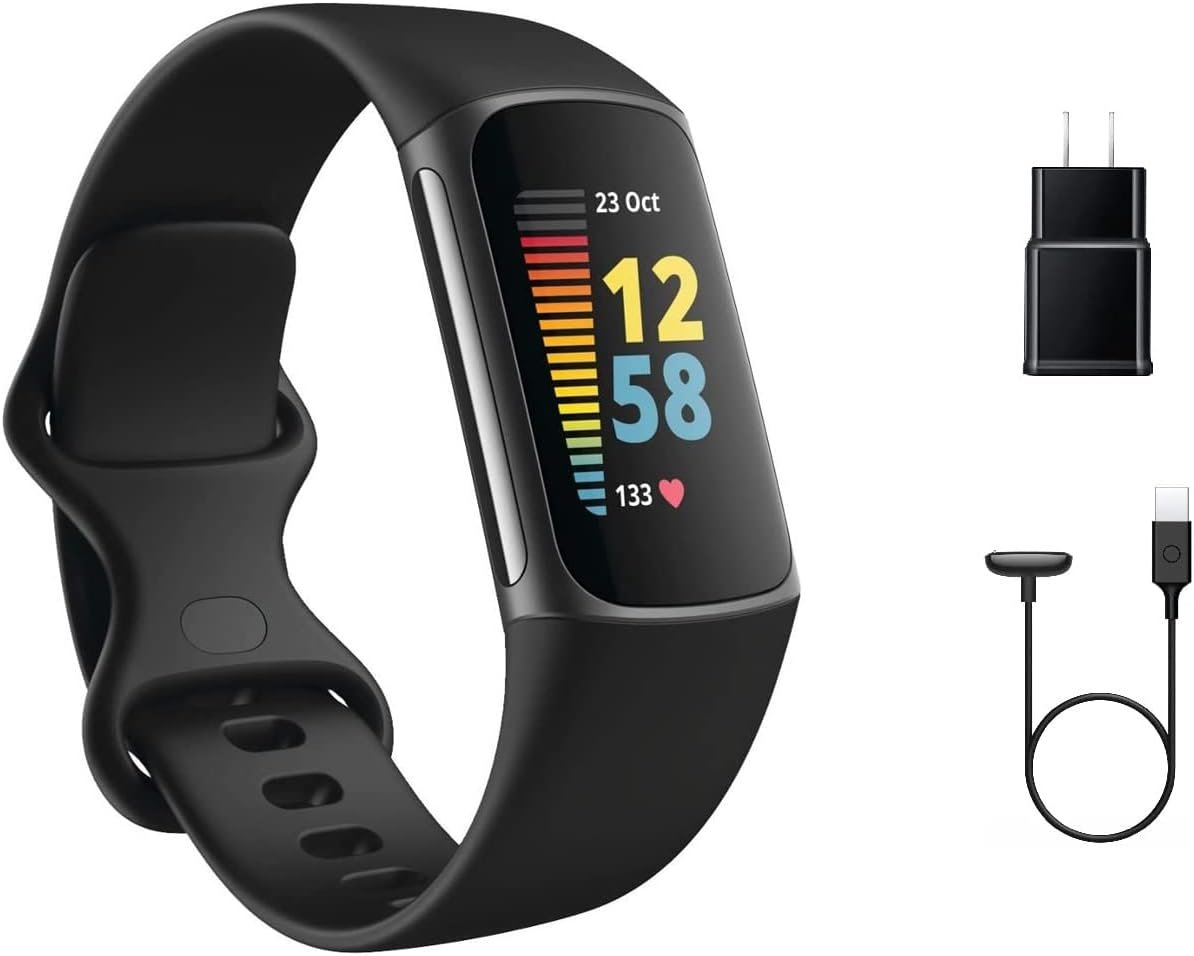
The Fitbit Charge 5’s charging process is designed for convenience, featuring a USB-C port that allows for quick and easy recharging. The included wall charging plug provides a stable power source, ensuring that users can charge the device without relying on a smartphone. The device’s power management system optimizes energy usage, extending battery life for non-intensive activities. However, users who engage in GPS tracking or continuous heart rate monitoring may need to recharge the device more frequently. The charging time is consistent with industry standards, though the exact duration may vary based on battery conditions. For users who prioritize long battery life, the Charge 5’s charging efficiency offers a practical solution for maintaining device functionality without frequent interruptions.
Environmental Factors and Battery Performance
The Fitbit Charge 5’s battery performance is influenced by environmental conditions, such as temperature and humidity. Extreme temperatures may affect the efficiency of the lithium polymer battery, potentially reducing battery life. Users in regions with fluctuating climates should be aware that battery longevity may vary under such conditions. Additionally, the device’s water resistance to 50 meters ensures that it can withstand accidental exposure to water, but prolonged submersion or high-pressure water exposure may impact battery performance. These factors highlight the importance of understanding how environmental conditions interact with the device’s power management system. For users who operate in diverse climates, the Charge 5’s battery life may require periodic adjustments to ensure optimal performance.
Comfort, Fit, and Wearability
The Fitbit Charge 5’s design prioritizes comfort and wearability, making it suitable for extended use throughout the day. The device features a sleek, minimalist design with a stainless steel build that offers a premium feel. The 50-millimeter screen provides clear visibility of tracking data without being overly intrusive. The band options, including the Infinity Band in small and large sizes, allow for a customizable fit that accommodates different wrist sizes. The lightweight construction, with a weight of 5.9 ounces, ensures that the device remains comfortable during prolonged wear. However, the device’s slim profile may not provide sufficient support for users with larger wrists, necessitating the use of additional bands for a secure fit. The overall design balances aesthetics with functionality, making it a practical choice for individuals who need a wearable that blends style with usability.

Material Quality and Durability
The Fitbit Charge 5’s stainless steel build contributes to its durability, offering a robust structure that withstands daily wear and tear. The polished finish enhances the device’s appearance while providing a smooth surface for wear. The water-resistant rating of 50 meters ensures that the device can withstand accidental splashes and light submersion, making it suitable for water-based activities. However, the device is not designed for prolonged underwater use, such as swimming or diving, which may expose it to higher pressure and potential damage. The materials used in the device’s construction are resilient to common wear and tear, but users should avoid exposing the device to extreme temperatures or harsh chemicals that could compromise its integrity. These durability factors make the Charge 5 a reliable choice for everyday use, though it is not intended for extreme environments.
Band Compatibility and Customization
The Fitbit Charge 5’s band compatibility allows for a high degree of customization, enabling users to choose from various band options to suit their preferences and activities. The Infinity Band in small and large sizes provides a secure fit for different wrist sizes, while third-party bands may offer additional versatility. The band’s material, typically a combination of silicone and fabric, ensures comfort during extended wear. However, users who engage in high-intensity activities may find that the standard bands are not sufficient for securing the device during movement. The ability to interchange bands enhances the device’s adaptability, allowing users to tailor their experience based on their specific needs. This flexibility in band options contributes to the device’s overall wearability, making it suitable for a wide range of lifestyles and activities.
Connectivity and Ecosystem Integration
The Fitbit Charge 5’s connectivity features ensure seamless integration with existing digital ecosystems, enhancing its utility for users who rely on smartphones or other smart devices. The device supports Bluetooth connectivity, allowing for pairing with iOS and Android devices. This integration enables users to receive notifications, track activity, and access health data through the Fitbit app. The app provides a centralized platform for managing tracking data, setting goals, and monitoring progress over time. However, the device’s reliance on a smartphone for certain features, such as GPS mapping and advanced data analysis, may limit its standalone functionality. Users who prefer a more autonomous experience may find the Charge 5’s connectivity requirements to be a minor inconvenience. Despite this limitation, the device’s ability to sync with compatible smartphones ensures that users can access comprehensive health insights without the need for additional hardware.

App Integration and Data Management
The Fitbit app serves as the central hub for managing data collected by the Charge 5, offering users a comprehensive overview of their health and fitness metrics. The app provides real-time updates on heart rate, sleep stages, and activity levels, allowing users to track progress toward their goals. Data visualization tools, such as graphs and charts, help users interpret their health trends over time. The app also includes features like the Daily Readiness Score, which assesses whether a user is ready for physical activity or should focus on recovery. While the app enhances the device’s functionality, its effectiveness depends on the user’s engagement with the platform. Users who prioritize data-driven insights may find the app to be an essential component of their fitness routine, though those who prefer minimal digital interaction may find it less appealing.
Cross-Platform Compatibility and User Experience
The Fitbit Charge 5’s compatibility with both iOS and Android devices ensures that users can seamlessly integrate the device into their existing digital ecosystems. This cross-platform support allows for consistent data synchronization across devices, enabling users to access their health metrics from multiple locations. The user experience is further enhanced by the Fitbit app’s intuitive interface, which simplifies the process of tracking and analyzing health data. However, the device’s reliance on a smartphone for certain features may introduce delays in data processing or notifications. For users who prioritize a fully integrated experience without smartphone dependency, the Charge 5’s connectivity requirements may present a minor drawback. Despite this, the device’s ability to sync with a wide range of platforms ensures that it remains a versatile option for users who value ecosystem compatibility.

Pros & Cons
Pros
- Comprehensive Health Monitoring: The Fitbit Charge 5 offers a wide range of health metrics, including heart rate, sleep stages, stress levels, and activity tracking, making it suitable for users who want a holistic view of their wellness.
- Extended Battery Life: With up to 7 days of battery life, the device minimizes the need for frequent charging, providing convenience for users who prioritize long-term use without interruptions.
- Built-in GPS: The integrated GPS allows for real-time location tracking during outdoor activities, eliminating the need for a smartphone and offering a practical solution for runners and cyclists.
- Stress Management Features: The EDA sensor provides insights into stress levels, enabling users to take proactive steps to manage their mental health through mindfulness sessions and activity tracking.
- Water Resistance: The device’s 50-meter water resistance makes it suitable for water-based activities, offering flexibility for users who engage in swimming or other aquatic exercises.
- Customizable Band Options: The availability of different band sizes and materials allows for a personalized fit, enhancing comfort and wearability for users with varying wrist sizes.
Cons
- Limited Standalone GPS Use: Continuous GPS tracking significantly reduces battery life, requiring users to recharge the device more frequently, which may be inconvenient for long outdoor sessions.
- Dependence on Smartphone: While the Fitbit app enhances functionality, the device relies on a smartphone for certain features, such as advanced data analysis and GPS mapping, limiting its standalone capabilities.
- Stress Monitoring Accuracy: The EDA sensor provides stress insights, but its accuracy may be affected by environmental factors like humidity or skin contact, making it a supplementary rather than definitive tool.
- Battery Performance in Extreme Conditions: The lithium polymer battery may be impacted by extreme temperatures, potentially reducing battery life in fluctuating climates.
- Limited Software Features: While the Fitbit app offers valuable insights, the device’s software capabilities are somewhat limited compared to more advanced smartwatches, which may appeal to users seeking more comprehensive features.
Final Verdict: Who This Wearable Is Best For (and Who Should Skip It)
The Fitbit Charge 5 is an excellent choice for individuals seeking a balance between comprehensive health tracking and practical usability. Its advanced sensors, extended battery life, and built-in GPS make it ideal for fitness enthusiasts, stress management seekers, and users who need a reliable device for daily activity monitoring. The device’s water resistance and customizable band options further enhance its versatility for different lifestyles and activities. However, users who prioritize standalone functionality without smartphone dependency may find the Charge 5’s connectivity requirements to be a drawback. Additionally, those who require more advanced software features or a more immersive fitness experience may prefer a more sophisticated smartwatch. For users who value a device that offers a holistic view of their health without compromising on comfort or convenience, the Fitbit Charge 5 remains a strong contender in the wearable market of 2026.

Frequently Asked Questions (FAQs)
Does the Fitbit Charge 5 track heart rate continuously?
The Fitbit Charge 5 features PurePulse technology for 24/7 heart rate monitoring, providing real-time data on cardiovascular activity. This allows users to track heart rate trends, resting heart rate, and VO2 Max for insights into cardio fitness levels.
Can the Fitbit Charge 5 track stress levels?
Yes, the device includes an EDA (electrodermal activity) sensor that detects subtle changes in skin conductivity. This sensor provides stress insights through a daily stress score and mindfulness sessions, helping users manage their mental health through activity and sleep patterns.
How long does the Fitbit Charge 5 battery last?
The Fitbit Charge 5 offers up to 7 days of battery life under normal use. Continuous GPS tracking reduces battery life to approximately 5 hours, so users should plan for more frequent charging if relying on this feature.
Is the Fitbit Charge 5 water-resistant?
The Fitbit Charge 5 is rated for 50 meters of water resistance, making it suitable for splashes, rain, and light submersion. However, it is not designed for prolonged underwater use or high-pressure water exposure.
Can the Fitbit Charge 5 track sleep stages?
Yes, the device automatically tracks sleep stages, including light, deep, and REM sleep. This data is used to calculate a daily Sleep Score, helping users understand their sleep quality and identify areas for improvement.
Does the Fitbit Charge 5 require a smartphone for full functionality?
The Fitbit Charge 5 can operate independently for basic tracking, but advanced features like GPS mapping, data analysis, and app integration require a compatible smartphone. Users who prefer standalone functionality may find this dependency limiting.
What are the band options for the Fitbit Charge 5?
The Fitbit Charge 5 includes an Infinity Band in small and large sizes for a customizable fit. Users can also choose from third-party bands to match their style and activity needs, ensuring comfort during extended wear.
How does the Fitbit Charge 5 handle extreme temperatures?
The Fitbit Charge 5’s lithium polymer battery may be affected by extreme temperatures, potentially reducing battery life in fluctuating climates. Users in regions with significant temperature variations should be mindful of this limitation.