Fitbit Sense 2 Review: Advanced Health Tracking and Smartwatch Features for 2026
The Importance of Choosing the Right Wearable Device
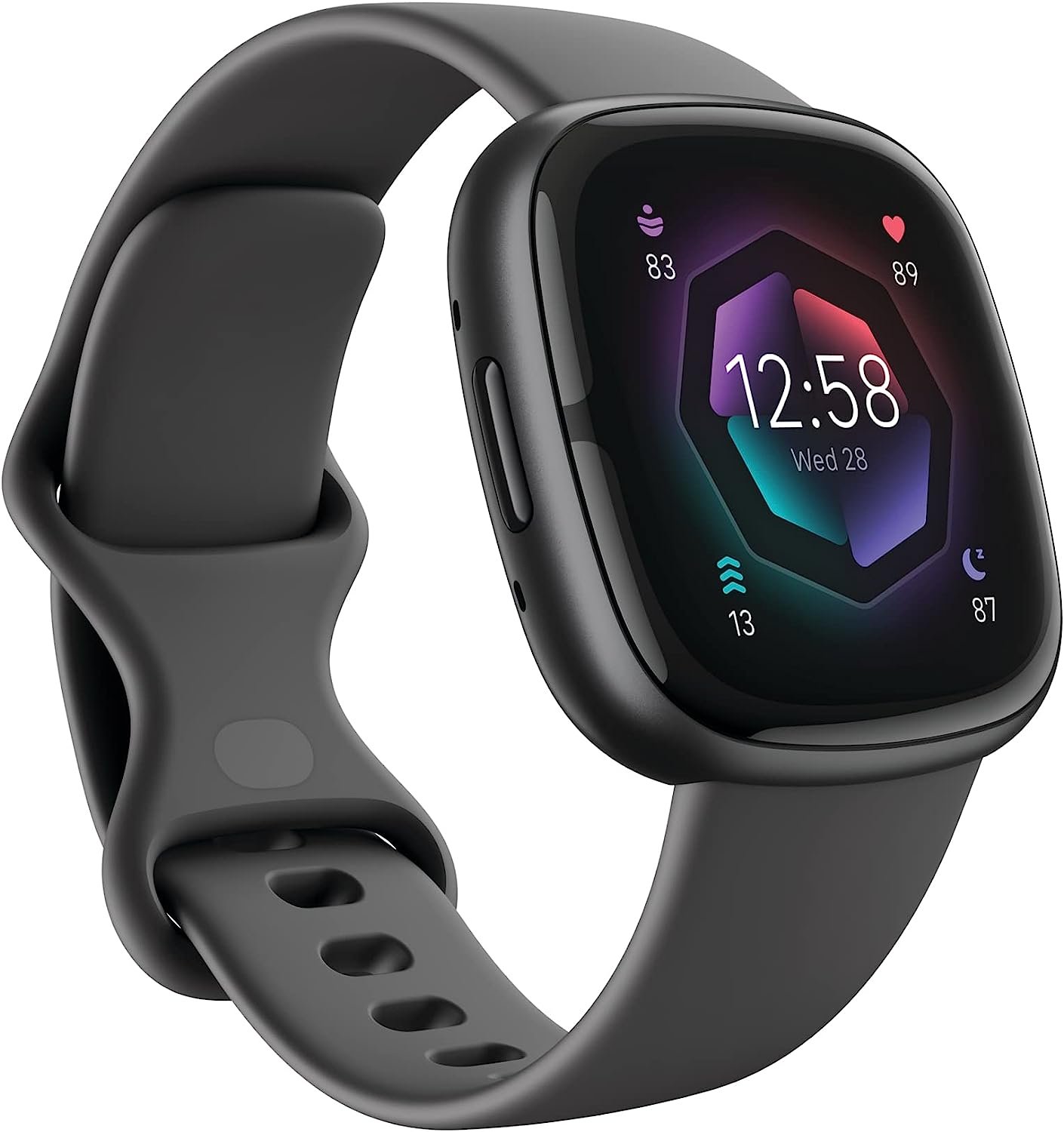
In 2026, wearable technology has become an essential tool for managing health, fitness, and daily productivity. With over 500 million devices in use globally, consumers face a complex decision-making process when selecting a smartwatch or fitness tracker. The Fitbit Sense 2 represents a significant evolution in the wearable space, combining advanced health monitoring capabilities with seamless integration into modern lifestyles. This review evaluates the device’s suitability for users prioritizing stress management, sleep optimization, and comprehensive health tracking. Key considerations include sensor accuracy, battery longevity, and compatibility with existing health ecosystems. The device targets individuals seeking continuous physiological monitoring without compromising on design or usability. For users requiring medical-grade diagnostics or specialized fitness features, alternative options may be more appropriate. Understanding the specific capabilities and limitations of the Fitbit Sense 2 is crucial for making an informed purchase decision.
Quick Overview
| Feature | Details |
|---|---|
| Device Category | Smartwatch with health monitoring capabilities |
| Supported Tracking Metrics | Heart rate, stress levels, sleep quality, SpO2, ECG |
| Sensors and Hardware | cEDA sensor, ECG sensor, GPS, optical heart rate sensor |
| Battery Life | Up to 6 days with typical use (12 hours with continuous GPS) |
| Platform Compatibility | Android, iOS (with Fitbit app) |
| Intended User Profiles | Health-conscious individuals, stress management seekers, sleep trackers |
| Durability Ratings | Water resistant to 50 meters, IP68 rating |
| Software Support | Regular updates through Fitbit app |
The Fitbit Sense 2’s combination of advanced health sensors and long battery life makes it suitable for users needing continuous physiological data tracking. Its integration with both iOS and Android platforms ensures broad accessibility, while the water resistance and durable build cater to active lifestyles. These features collectively position the device as a strong contender for individuals prioritizing comprehensive health monitoring.

Health and Fitness Tracking Capabilities
The Fitbit Sense 2’s primary value proposition lies in its advanced health and fitness tracking features. This smartwatch offers continuous heart rate monitoring, stress detection using cEDA technology, and sleep analysis with personalized insights. These capabilities are particularly appealing to users seeking to manage chronic stress or improve sleep quality. The device’s ECG app and irregular rhythm notifications provide additional cardiovascular health monitoring, though these features are limited to select regions and age groups. For individuals prioritizing comprehensive health tracking, the Sense 2 offers a robust set of tools. However, users requiring medical-grade diagnostics should consider alternative options.

Stress and Sleep Monitoring
The Sense 2’s stress detection system uses cEDA technology to measure electrodermal activity, providing real-time stress level assessments. This feature is particularly valuable for users managing work-related stress or anxiety. The device’s sleep tracking capabilities include detailed sleep stage analysis and personalized sleep score updates, helping users identify patterns in their sleep quality. The smart wake alarm and do not disturb mode enhance sleep environment optimization. These features collectively make the Sense 2 an effective tool for users seeking to improve their overall well-being through targeted health monitoring.
Cardiovascular Health Monitoring
The ECG app and irregular rhythm notifications offer users insights into their cardiovascular health. While these features are not intended for medical diagnosis, they provide valuable data for individuals monitoring heart health. The SpO2 tracking feature allows users to monitor blood oxygen levels, which can be useful for detecting potential respiratory issues. However, the SpO2 feature requires more frequent charging, which may impact long-term usability. These cardiovascular monitoring tools make the Sense 2 a compelling option for users interested in proactive health management.
Activity and Workout Tracking
The Sense 2 includes built-in GPS for accurate outdoor activity tracking, along with 40+ exercise modes for diverse fitness needs. The Daily Readiness Score provides personalized guidance on physical preparedness, while Active Zone Minutes track workout intensity. These features are particularly beneficial for users engaged in regular physical activity or outdoor sports. The device’s water resistance to 50 meters ensures durability during swimming and other water-based activities. The comprehensive activity tracking capabilities make the Sense 2 well-suited for fitness enthusiasts seeking detailed performance insights.
Battery Life and Charging Efficiency
Battery performance is a critical factor in wearable device selection. The Fitbit Sense 2 offers up to 6 days of battery life with typical use, though continuous GPS usage reduces this to 12 hours. The device’s battery capacity of 162 mAh is complemented by fast charging capabilities, providing 24 hours of use with just 12 minutes of charging. These specifications make the Sense 2 suitable for users who need consistent performance without frequent recharging. However, the SpO2 feature requires more frequent charging, which may impact long-term usability. For users prioritizing battery longevity, the Sense 2’s charging efficiency represents a significant advantage.

Charging and Power Management
The Sense 2’s charging efficiency is a key consideration for users requiring uninterrupted device operation. The fast charging feature allows for quick top-ups, though the device’s battery life remains shorter than some competitors. The power management system effectively balances performance with energy conservation, making it suitable for users who need reliable operation throughout the day. These charging characteristics make the Sense 2 a practical choice for individuals who may not have consistent access to charging stations.
Battery Life Considerations
While the Sense 2’s battery life is adequate for most use cases, users engaging in extended outdoor activities may find the GPS limitations restrictive. The device’s power management system optimizes battery usage for continuous health monitoring, but the SpO2 feature’s higher power consumption requires more frequent charging. These battery life considerations are important for users who prioritize long-term device operation without frequent recharging.
Compatibility and Ecosystem Integration
The Fitbit Sense 2’s compatibility with both iOS and Android platforms ensures broad accessibility for users. The device integrates seamlessly with the Fitbit app, providing a cohesive ecosystem for health data management. Additional features like Fitbit Pay and Amazon Alexa integration enhance its utility for daily tasks. However, the device’s reliance on the Fitbit app for many advanced features may limit its appeal to users preferring alternative health ecosystems. This compatibility profile makes the Sense 2 suitable for users who value ecosystem integration with existing smart devices.
Platform Integration
The Sense 2’s integration with both iOS and Android platforms ensures versatility across different user preferences. The Fitbit app serves as the central hub for managing health data, workout tracking, and notifications. This ecosystem approach is beneficial for users who already own other Fitbit devices or are invested in the Fitbit ecosystem. However, users preferring alternative health tracking platforms may find the device’s ecosystem limitations restrictive.
Smart Assistant Integration
The built-in Amazon Alexa functionality enhances the Sense 2’s utility for daily tasks, though its availability is limited to specific regions and languages. The device’s integration with Google Wallet and Maps provides additional convenience for users navigating urban environments. These smart assistant features make the Sense 2 a practical choice for individuals seeking to streamline their daily routines through voice-activated commands.
Comfort, Fit, and Wearability
The Fitbit Sense 2’s design prioritizes comfort for extended wear. The slim profile and raised band attachments enhance ergonomics, while the included small and large band sizes accommodate different wrist measurements. The device’s water resistance and durable build make it suitable for various environments, though the raised band attachments may affect some users’ comfort preferences. These design elements make the Sense 2 a practical choice for users who require a wearable device for daily use.
Design and Ergonomics
The Sense 2’s slim profile and raised band attachments are designed to enhance comfort during extended wear. The device’s weight distribution and ergonomic shape contribute to a more natural fit on the wrist. The inclusion of small and large band sizes ensures a customizable fit for different users. These design considerations make the Sense 2 a practical choice for individuals who need a wearable device for daily use.
Durability and Environmental Resistance
The Sense 2’s IP68 rating ensures water resistance to 50 meters, making it suitable for swimming and other water-based activities. The durable build withstands everyday wear and tear, though the device’s reliance on the Fitbit app for many features may impact its long-term usability. These durability characteristics make the Sense 2 a reliable choice for users who need a wearable device for various environments.
Who Should Avoid the Fitbit Sense 2
While the Fitbit Sense 2 offers valuable health tracking capabilities, it may not be suitable for all users. Individuals requiring medical-grade diagnostics should consider alternative options, as the device’s health features are not intended for medical diagnosis. Users who prioritize battery longevity over advanced health tracking may find the Sense 2’s charging requirements restrictive. Additionally, those who prefer alternative health ecosystems may find the device’s ecosystem limitations limiting. These considerations are important for users evaluating the Sense 2’s suitability for their specific needs.
Medical-Grade Diagnostics
The Sense 2’s health monitoring features are not intended for medical diagnosis, making it unsuitable for users requiring medical-grade diagnostics. The ECG app and irregular rhythm notifications provide valuable data but should not replace professional medical advice. Users with specific health concerns should consult healthcare professionals rather than relying solely on the device’s health tracking capabilities.
Battery and Charging Limitations
The Sense 2’s battery life is adequate for most use cases, but the SpO2 feature’s higher power consumption requires more frequent charging. Users who prioritize long-term battery longevity may find this limitation restrictive. The device’s charging efficiency is a significant advantage, but the need for more frequent charging for certain features may impact its usability for some users.
Ecosystem Compatibility
The Sense 2’s reliance on the Fitbit app for many advanced features may limit its appeal to users preferring alternative health ecosystems. While the device integrates with both iOS and Android platforms, the Fitbit ecosystem’s limitations may affect its long-term usability for some users. These compatibility considerations are important for users evaluating the Sense 2’s suitability for their specific needs.
Pros & Cons
Pros
- Comprehensive health tracking with ECG, SpO2, and stress detection
- Built-in GPS for accurate outdoor activity monitoring
- 6-day battery life with typical use
- Water resistance to 50 meters for swimming and water activities
- Seamless integration with both iOS and Android platforms
- Customizable clock faces and band options for personalization
- Fitbit Pay and Amazon Alexa integration for daily convenience
- 6-month Premium membership for enhanced insights
Cons
- SpO2 feature requires more frequent charging
- Limited medical-grade diagnostic capabilities
- Reliance on Fitbit app for advanced features
- Battery life is shorter than some competitors
- ECG and irregular rhythm features available only in select regions
- Premium membership required for full feature set
- Limited smart assistant functionality compared to competitors
- No native health data export options
Final Verdict: Who This Wearable Is Best For (and Who Should Skip It)
The Fitbit Sense 2 is an excellent choice for health-conscious individuals seeking comprehensive health tracking and stress management tools. Its advanced sensors and long battery life make it well-suited for users who need continuous physiological monitoring without frequent recharging. The device’s integration with both iOS and Android platforms ensures broad accessibility, while the water resistance and durable build cater to active lifestyles. However, users requiring medical-grade diagnostics or alternative health ecosystems may find the Sense 2’s limitations restrictive. For individuals prioritizing comprehensive health tracking and smartwatch functionality, the Sense 2 represents a strong option in 2026. Those seeking more specialized medical features or different ecosystem compatibility should consider alternative options.
The Sense 2’s strengths in health monitoring and battery efficiency make it ideal for users who value continuous health data tracking. Its limitations in medical diagnostics and ecosystem compatibility should be considered by users with specific needs. Compared to similar devices in 2026, the Sense 2 offers a balanced combination of advanced health features and practical usability, making it a compelling choice for most users seeking a comprehensive smartwatch solution.
Frequently Asked Questions (FAQs)
What health metrics does the Fitbit Sense 2 track?
The Fitbit Sense 2 tracks heart rate, stress levels, sleep quality, blood oxygen saturation (SpO2), and electrocardiogram (ECG) data. It also includes continuous GPS for outdoor activity tracking and provides insights into daily physical readiness.
How long does the Fitbit Sense 2 battery last?
The device offers up to 6 days of battery life with typical use. Continuous GPS usage reduces this to 12 hours, while the SpO2 feature requires more frequent charging.
Is the Fitbit Sense 2 suitable for medical diagnostics?
The Fitbit Sense 2 is not intended for medical diagnosis. Its health features provide valuable data for personal wellness but should not replace professional medical advice or diagnostic tools.
Can the Fitbit Sense 2 be used with both iOS and Android?
Yes, the Fitbit Sense 2 is compatible with both iOS and Android devices through the Fitbit app. This ensures broad accessibility for users across different mobile platforms.
What are the water resistance capabilities of the Fitbit Sense 2?
The device is water-resistant to 50 meters (IP68 rating), making it suitable for swimming and other water-based activities. However, it is not designed for deep-sea diving or prolonged submersion.
Does the Fitbit Sense 2 include a premium membership?
The Fitbit Sense 2 includes a 6-month Premium membership for enhanced insights and advanced analytics. This membership provides personalized health recommendations and additional features through the Fitbit app.
What smart assistant features are available on the Fitbit Sense 2?
The device includes built-in Amazon Alexa functionality for voice-activated commands. It also integrates with Google Wallet and Maps, though these features are available on Android devices only.
How does the Fitbit Sense 2 handle stress detection?
The Fitbit Sense 2 uses cEDA technology to measure electrodermal activity, providing real-time stress level assessments. This data helps users manage stress through personalized insights and mindfulness content.