Fitness and activity trackers: sensors, battery, and what the app charges for
A fitness tracker is a smartwatch with the watch taken out: a small screen or none, a week or two of battery, and the sensors that count steps, heart rate and sleep. Its specification sheet is short, and the most expensive line on it is often the one about the app.
What the category is
Screen trackers: slim bands with a small colour display — Fitbit Charge and Inspire, Xiaomi Smart Band, Samsung Galaxy Fit, Amazfit Band — that show the time, notifications and a workout. Screenless trackers such as Whoop, worn for recovery data and read on the phone. Budget bands from small brands with their own app, sold as “smart bracelets”. A tracker with a large screen and calling is a smartwatch.
How to read the spec sheet
Sensors: optical heart rate (continuous or on demand), SpO2, skin temperature, and on the better bands an ECG. The sheet lists them; it does not rate them.
Battery in days: 7 to 14 is the category’s point. A band that quotes 5 days with always-on is a small smartwatch.
GPS: built in (rare on a band, and it halves the battery), connected through the phone (common), or none. A runner who wants a route without a phone needs the first.
Water rating: 5 ATM for swimming, and whether swim tracking is a mode.
Display: size, AMOLED or not, always-on or not, and whether it shows notifications or only counts.
Compatibility and the app: iOS and Android, the app’s name, and — the line that matters — what the app charges for. Fitbit’s detailed sleep and readiness are behind Premium; Whoop is a subscription with the band included. The manufacturer’s own page says so and a review quotes it.
Strap: width, material, and whether it is swappable. A tracker whose strap is the body is a tracker you replace when the strap breaks.
Who it suits
Anyone who wants steps, heart rate, sleep and a fortnight of battery without a second screen. A swimmer wants 5 ATM and a swim mode; a runner without a phone wants built-in GPS; a data person wants a screenless band and accepts the fee.
Who should skip it
Anyone who wants to answer a call or pay from the wrist, which is a smartwatch. Anyone who mainly wants sleep and recovery and nothing on the wrist in the day, which is a ring.
Where to start
Six of the 102 fitness & activity trackers wearables reviewed on this site, one per model, across manufacturers. Every review is written from the manufacturer’s published specifications — how, and what that leaves out.
- Samsung Galaxy Fit 3
- Garmin Forerunner 945 GPS Sport Watch
- Fitbit Charge 2
- Amazfit GTR 3 Pro Smart Watch
- WHOOP 5.0/MG Activity Tracker
- 2026 Fitness Trackers for Men Women
All 102 fitness & activity trackers wearable reviews
Newest first. Consumables, accessories and parts that were once filed here are excluded.
-
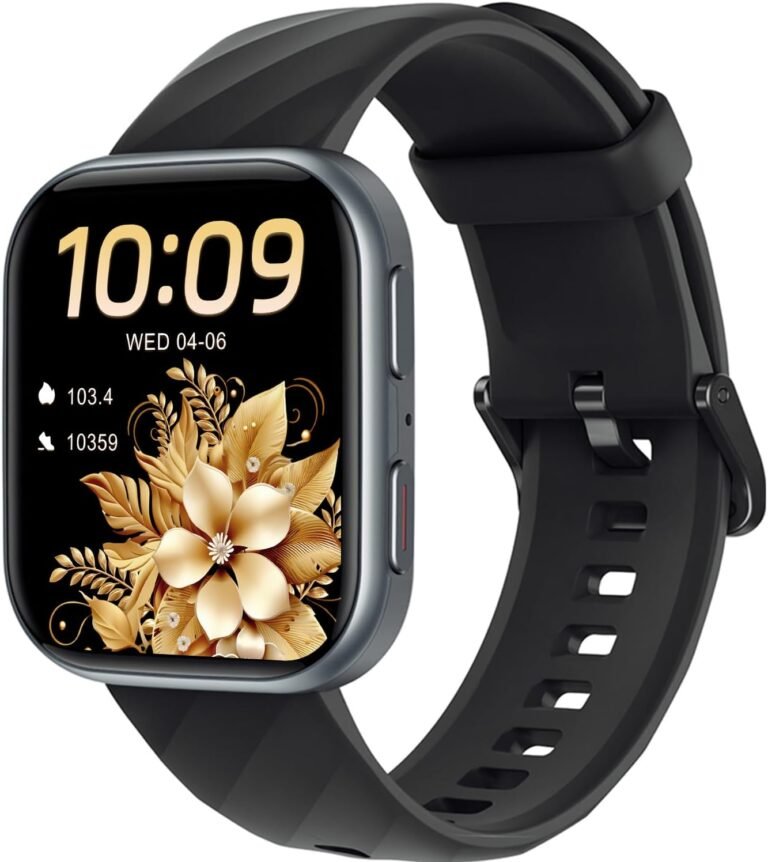
MorePro Health Fitness Tracker Review: 24/7 Health Monitoring & 120+ Sports Modes for 2026
Evaluate the MorePro Health Fitness Tracker’s 24/7 health monitoring, 120+ sports modes, and 7-day battery life for 2026. Assess sensor accuracy, comfort,…
-
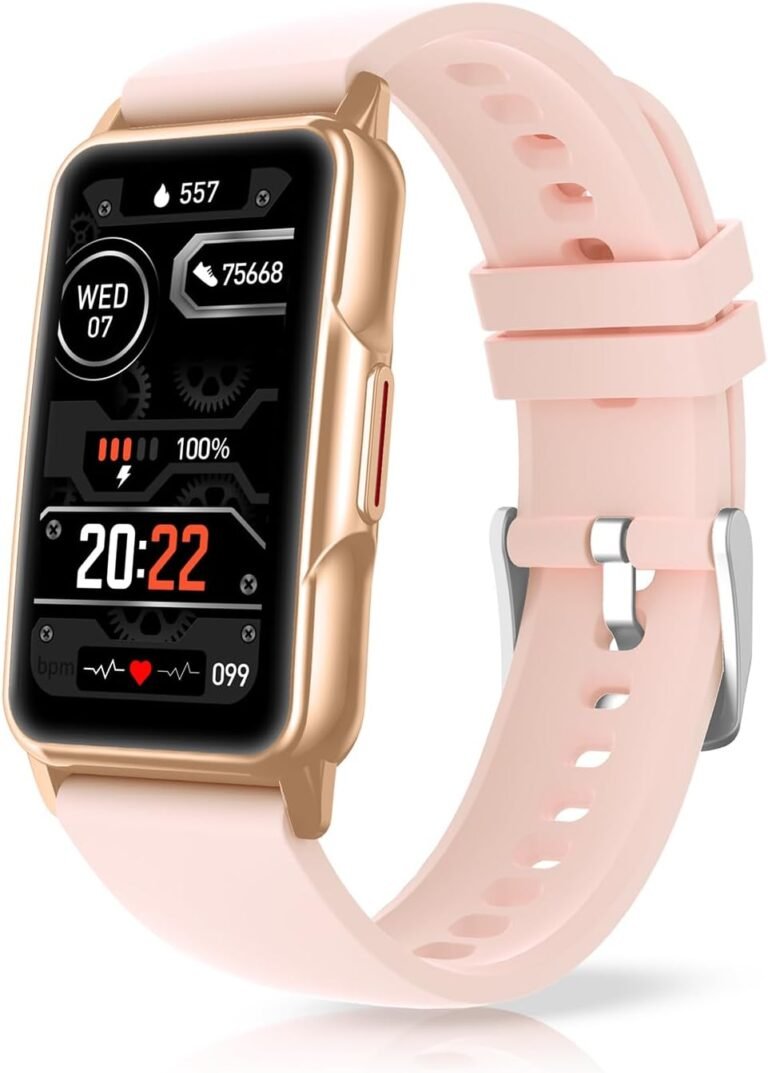
Health Fitness Tracker with 24/7 Heart Rate Blood Oxygen Blood Pressure Sleep Monitor 100 Sports Modes Step Calorie Counter
Evaluate the Fitness Tracker Watch for comprehensive health monitoring, 115 sports modes, and long battery life. Discover its compatibility, accuracy, and usability…
-
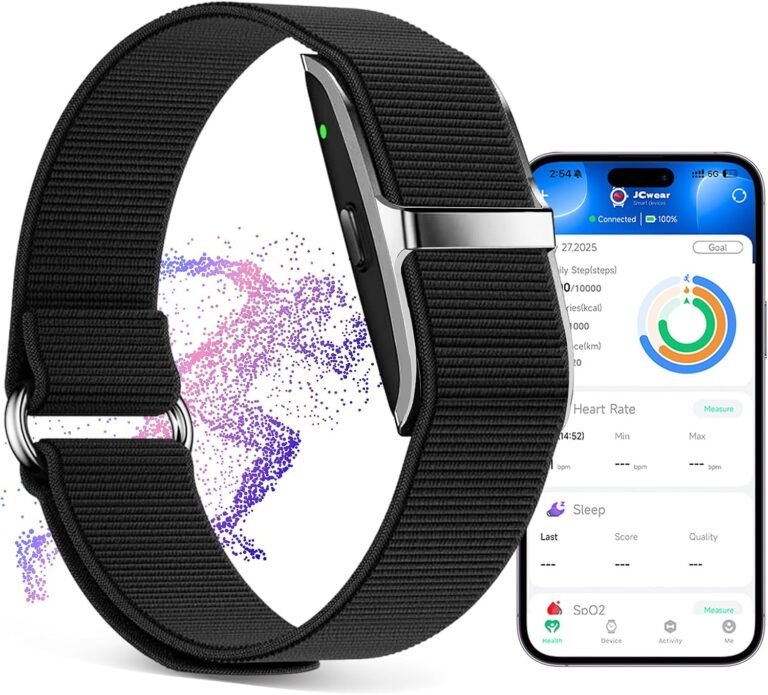
Smart Health Wristband Review: 24/7 Health Monitoring & Fitness Tracking for 2026
Evaluate the Smart Health Wristband’s health tracking accuracy, battery life, and compatibility for 2026. Discover its features for fitness enthusiasts and health-conscious…
-
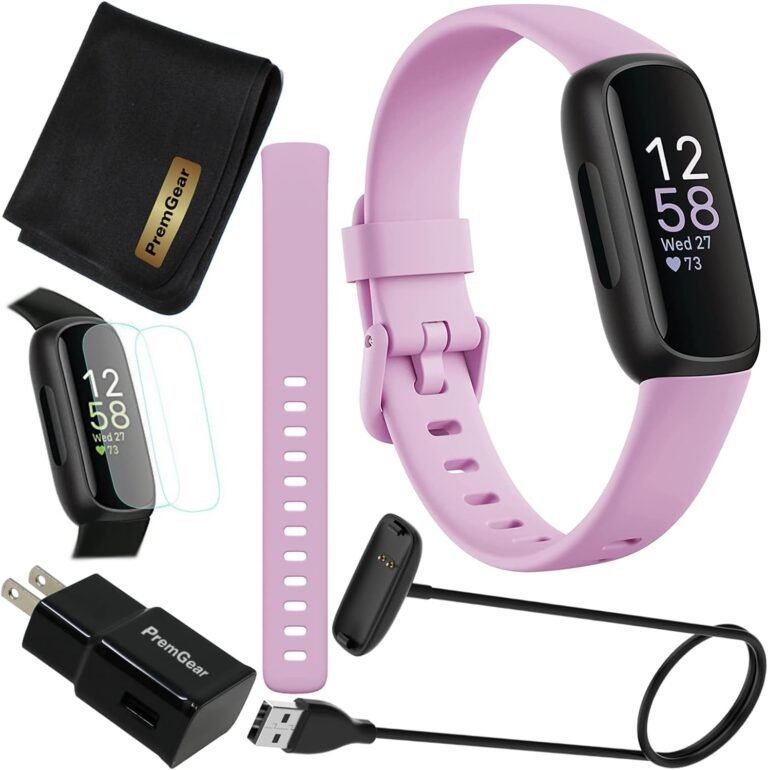
Fitbit Inspire 3 Review: A Comprehensive Guide to Health & Fitness Tracking in 2026
Evaluate the Fitbit Inspire 3’s health tracking, battery life, and compatibility for 2026. Learn about its sensor accuracy, comfort, and suitability for…
-
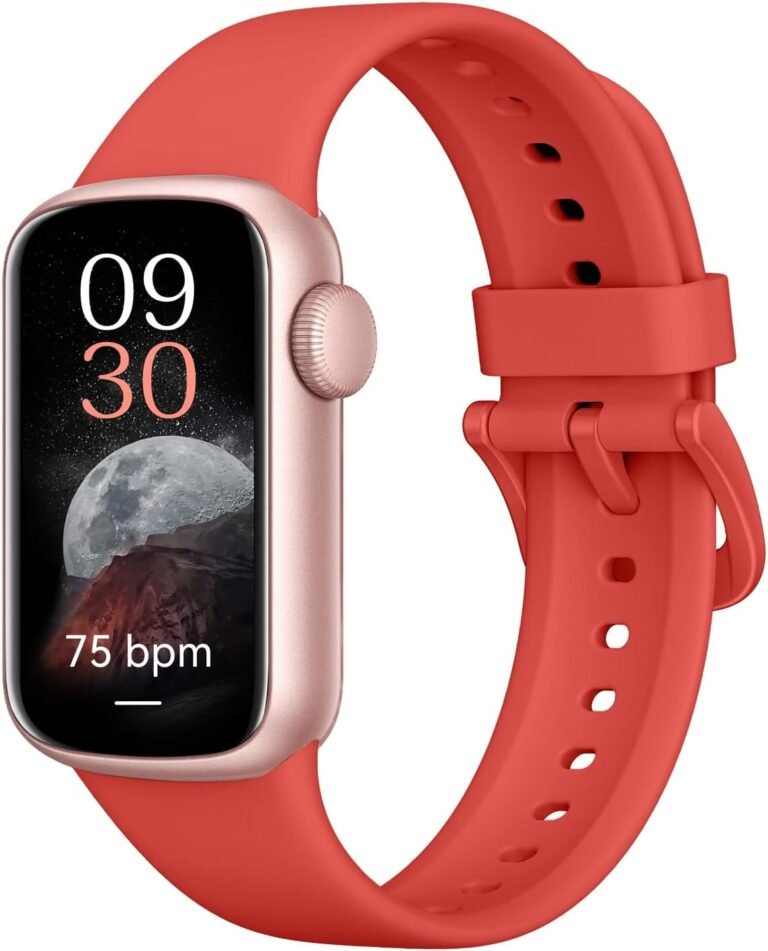
IMFRCHCS Fitness Tracker Review: 1.47″ Display, 130+ Sport Modes, and Sleep Monitoring for 2026
Evaluate the IMFRCHCS Fitness Tracker’s 1.47″ display, 130+ sport modes, and sleep monitoring for 2026. Compare battery life, connectivity, and usability for…
-
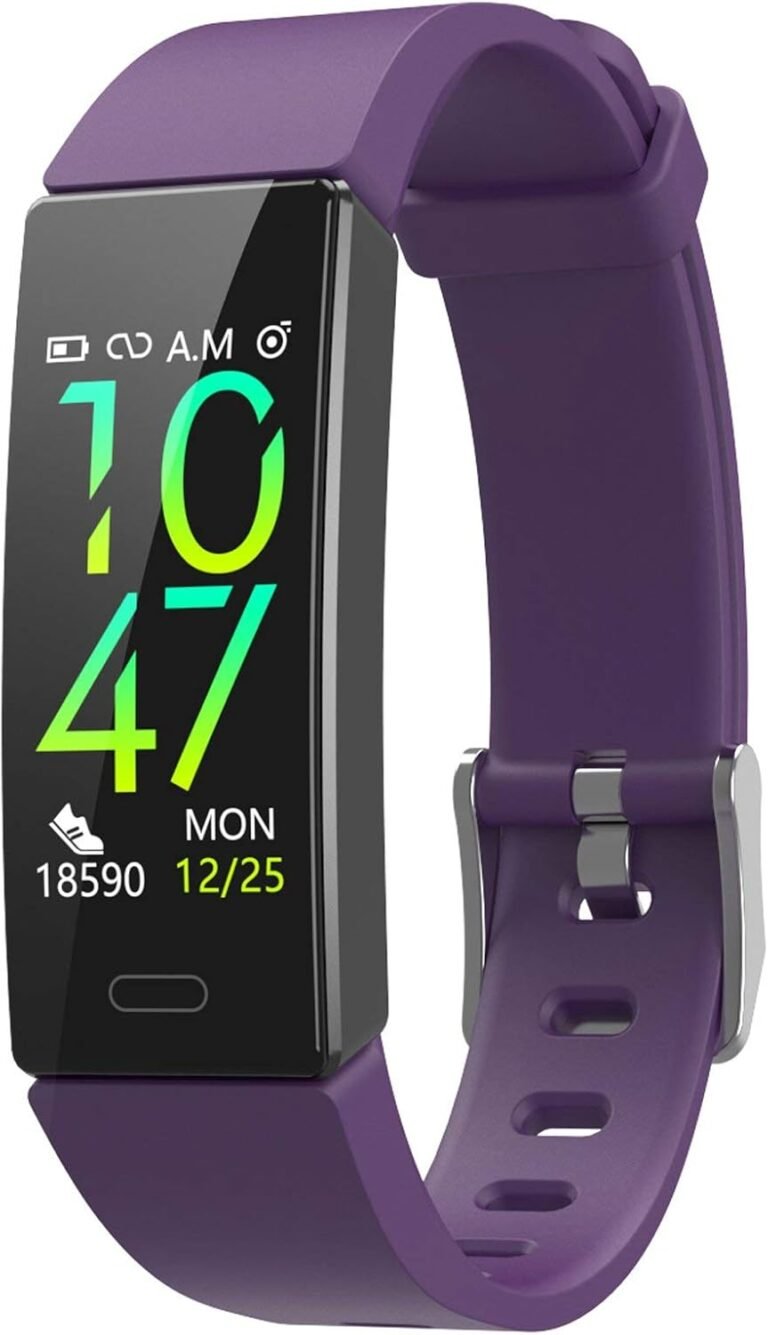
ZURURU Y39 Fitness Tracker Review: A Comprehensive Analysis of Features, Performance, and User Suitability
Evaluate the ZURURU Y39 Fitness Tracker’s health monitoring, battery life, and compatibility for 2026. Discover if it suits your fitness and lifestyle…
-
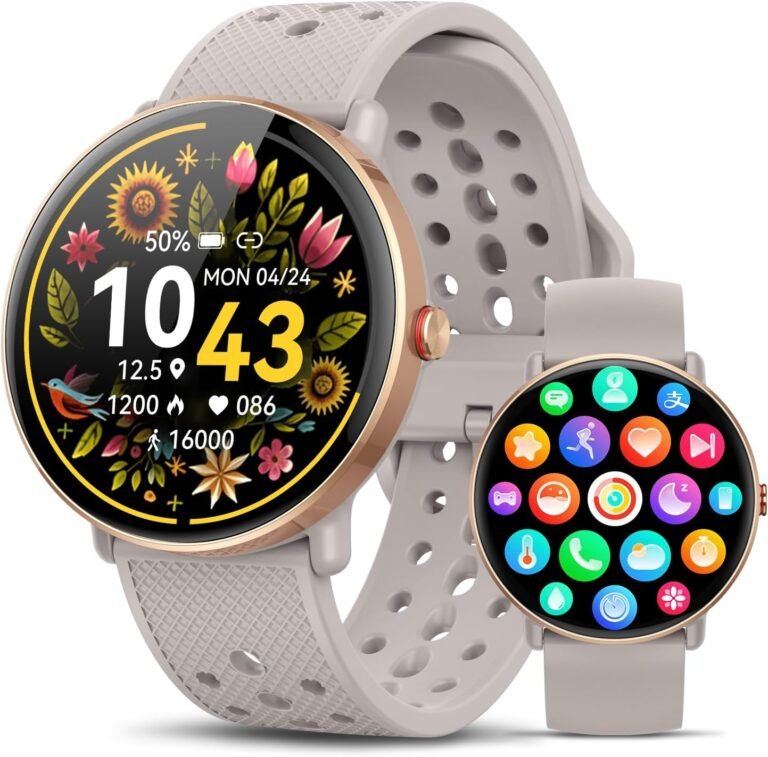
Round Smartwatch with 112+ Sport Modes and IP68 Waterproofing for 2026
Evaluate the 112+ sport modes, IP68 waterproofing, and Bluetooth connectivity of this round smartwatch. Discover its fitness tracking capabilities, comfort, battery life,…
-
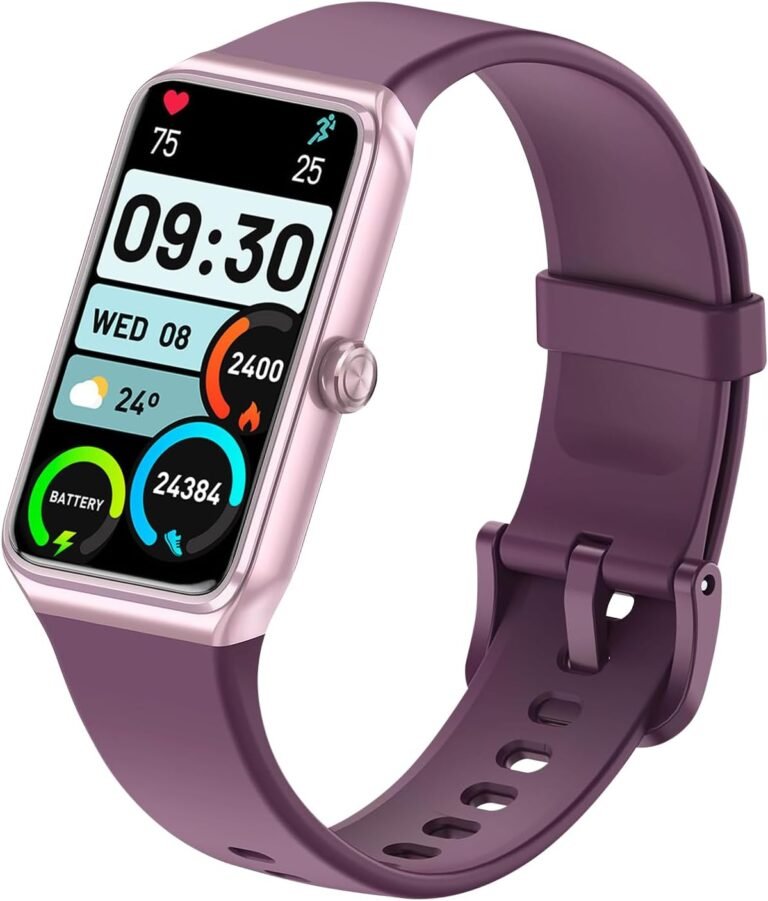
Comprehensive Review of the Fitness Tracker with 24/7 Heart Rate Monitoring and 104 Sports Modes
Evaluate the fitness tracker’s health metrics, battery life, and compatibility with Android and iOS devices. Discover its strengths in activity tracking and…
-
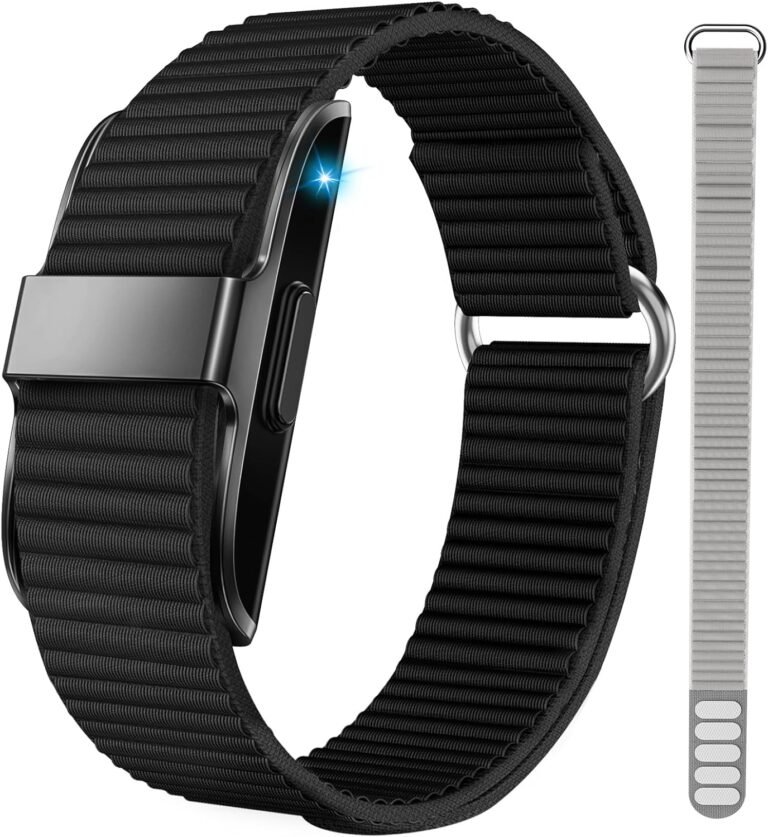
AKUMAKA Health Fitness Tracker Review: Comprehensive Health Monitoring for 2026
Discover the AKUMAKA Health Fitness Tracker’s features, including continuous health monitoring, IP68 water resistance, and family data sharing. Ideal for health-conscious users…
-
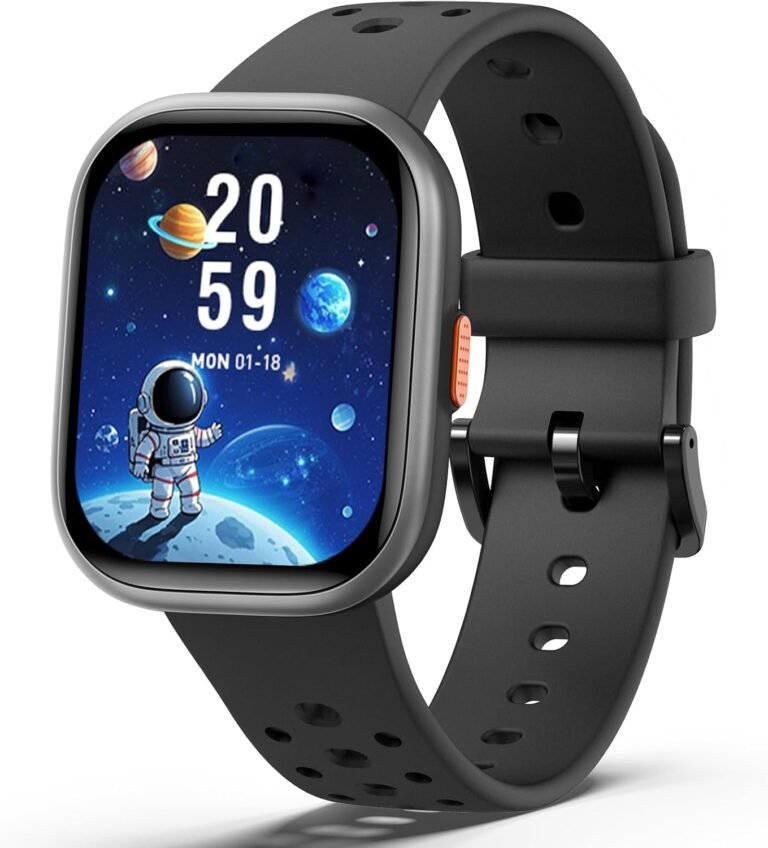
Upgraded Kids Smart Watch Review: Fitness Tracking, Games, and Durability for 2026
Evaluate the Upgraded Kids Smart Watch’s fitness tracking, 12 puzzle games, and waterproof design for 2026. Assess its battery life, parental controls,…
-
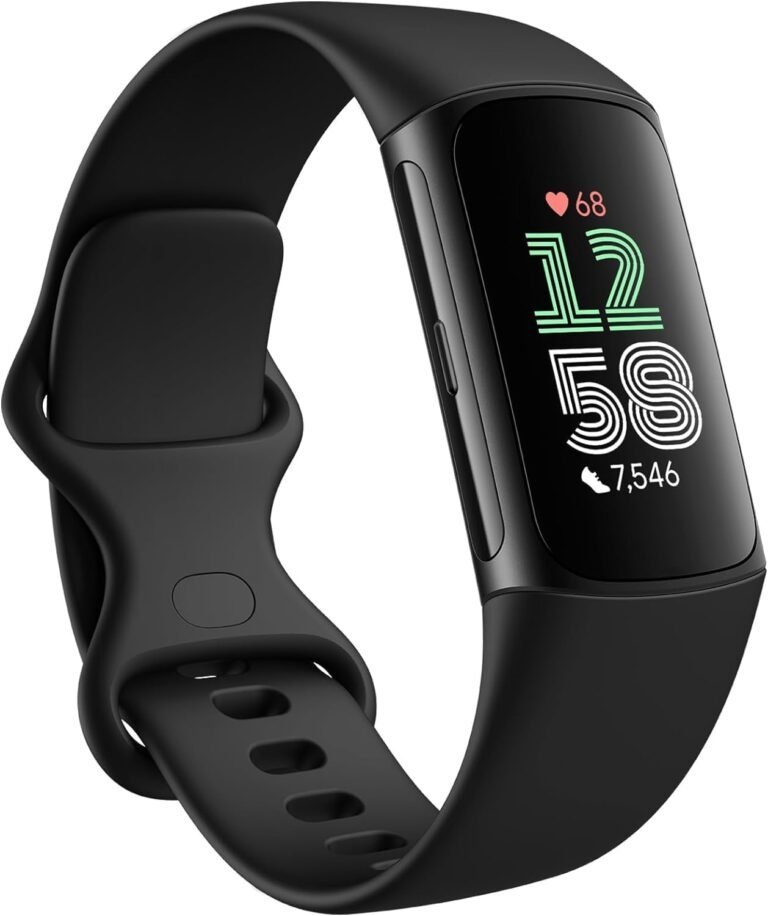
Fitbit Charge 6 Review: A Comprehensive Guide to Activity Tracking and Health Monitoring
Explore the Fitbit Charge 6’s features, including 7-day battery life, GPS tracking, and health insights. Discover its compatibility with iOS and Android,…
-
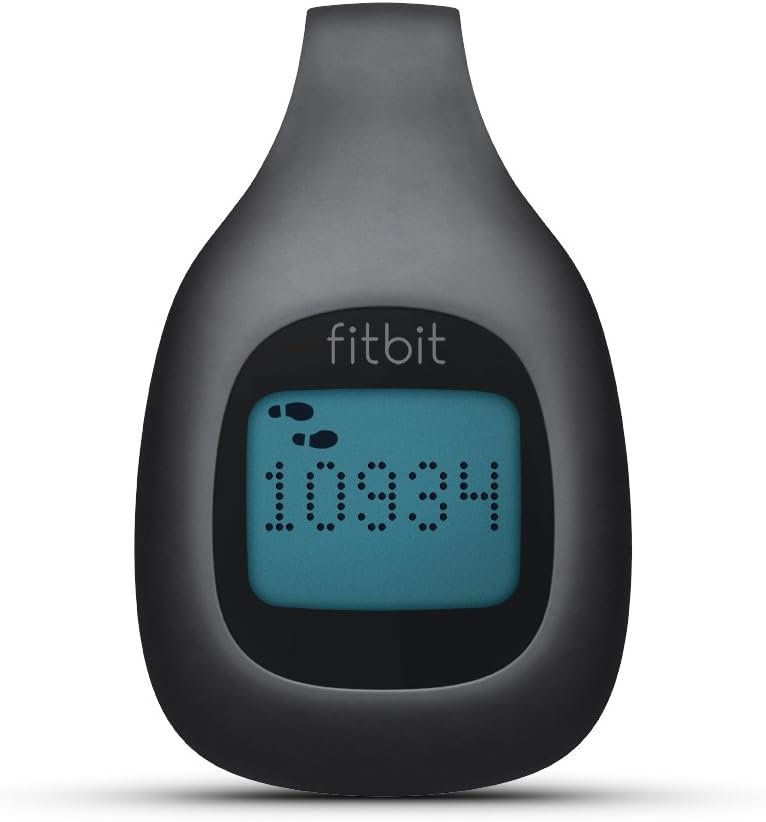
Zip Wireless Activity Tracker Review: Fitness Tracking for Everyday Use
Evaluate the Zip Wireless Activity Tracker’s performance in 2026, focusing on tracking accuracy, comfort, battery life, and compatibility. Discover if it’s the…