Garmin Fenix Enduro GPS Watch Review: Solar Charging, Battery Life, and Multisport Tracking
The Importance of Choosing the Right Wearable for Multisport Athletes
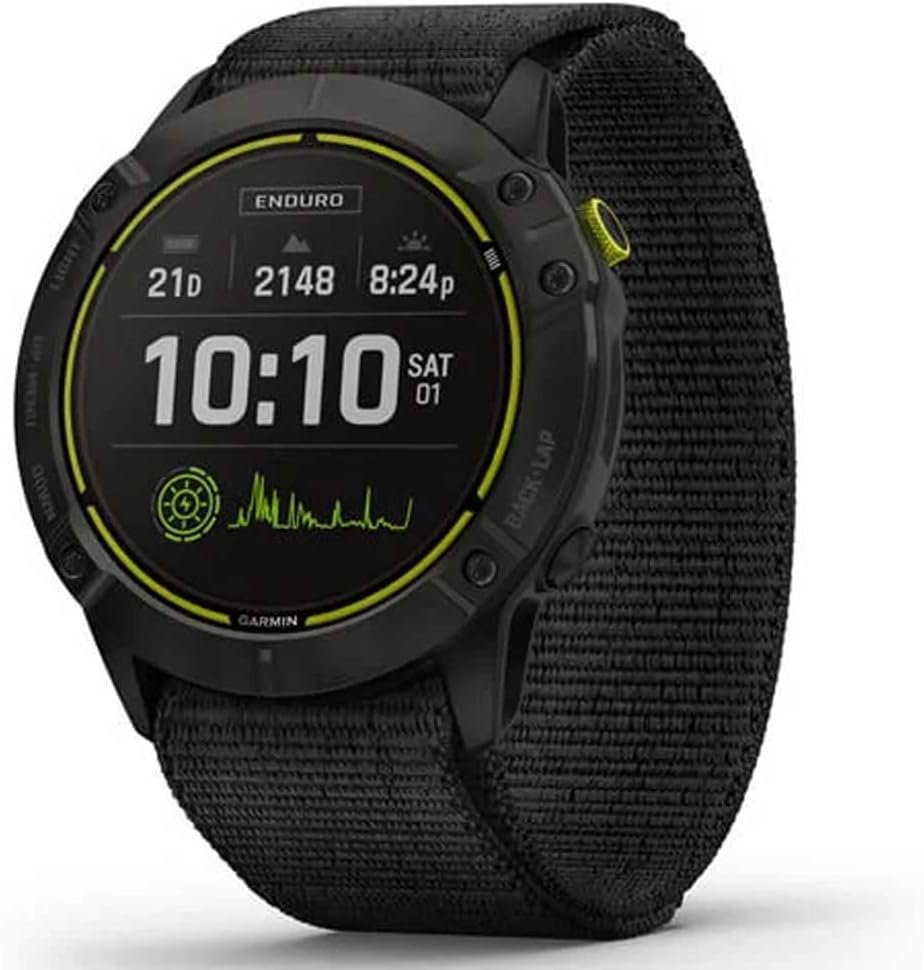
For athletes engaged in long-distance running, trail racing, and multi-sport events, selecting the right wearable device is critical to optimizing performance and ensuring safety. A high-quality GPS watch must balance advanced tracking capabilities with battery longevity, durability, and user-friendly design. The Garmin Fenix Enduro stands out as a specialized multisport GPS watch designed for ultrarunners, trail runners, and endurance athletes who require precise data collection, environmental awareness, and extended battery life. This device combines cutting-edge hardware with Garmin’s proprietary software to deliver real-time insights into elevation changes, heart rate variability, and route navigation. Its solar charging capabilities and multi-GNSS support make it ideal for extended outdoor activities where traditional power sources are unavailable. Whether you’re preparing for a 100-mile trail race or training for a multi-day expedition, the Fenix Enduro offers a comprehensive set of tools to enhance performance while minimizing the risk of equipment failure. This review evaluates its core features, sensor accuracy, and user experience to determine whether it meets the demands of serious endurance athletes in 2026.
Quick Overview
| Feature | Details |
|---|---|
| Device Category | Ultraperformance multisport GPS watch |
| Tracking Metrics | GPS, GLONASS, Galileo, QZSS, barometric altimeter, compass, heart rate |
| Sensors | Power Glass solar charging lens, multi-GNSS receivers, barometric altimeter, compass |
| Battery Life | Up to 80 hours in GPS mode (solar charging extends longevity) |
| Platform Compatibility | Garmin Connect app, Bluetooth connectivity |
| Intended Users | Ultrarunners, trail runners, multi-sport athletes |
| Durability | Rugged, water-resistant (IP68), lightweight design |
| Software Support | Garmin Connect IQ, firmware updates |
The Fenix Enduro’s combination of solar charging, multi-GNSS navigation, and environmental sensors makes it a robust choice for athletes who require reliable performance in remote or challenging terrains. Its lightweight design and always-on display ensure usability during extended training sessions, while the Power Manager and Battery Saver modes provide flexibility for different activity durations.
Battery Life and Charging Capabilities
Solar Charging and Extended Power Management
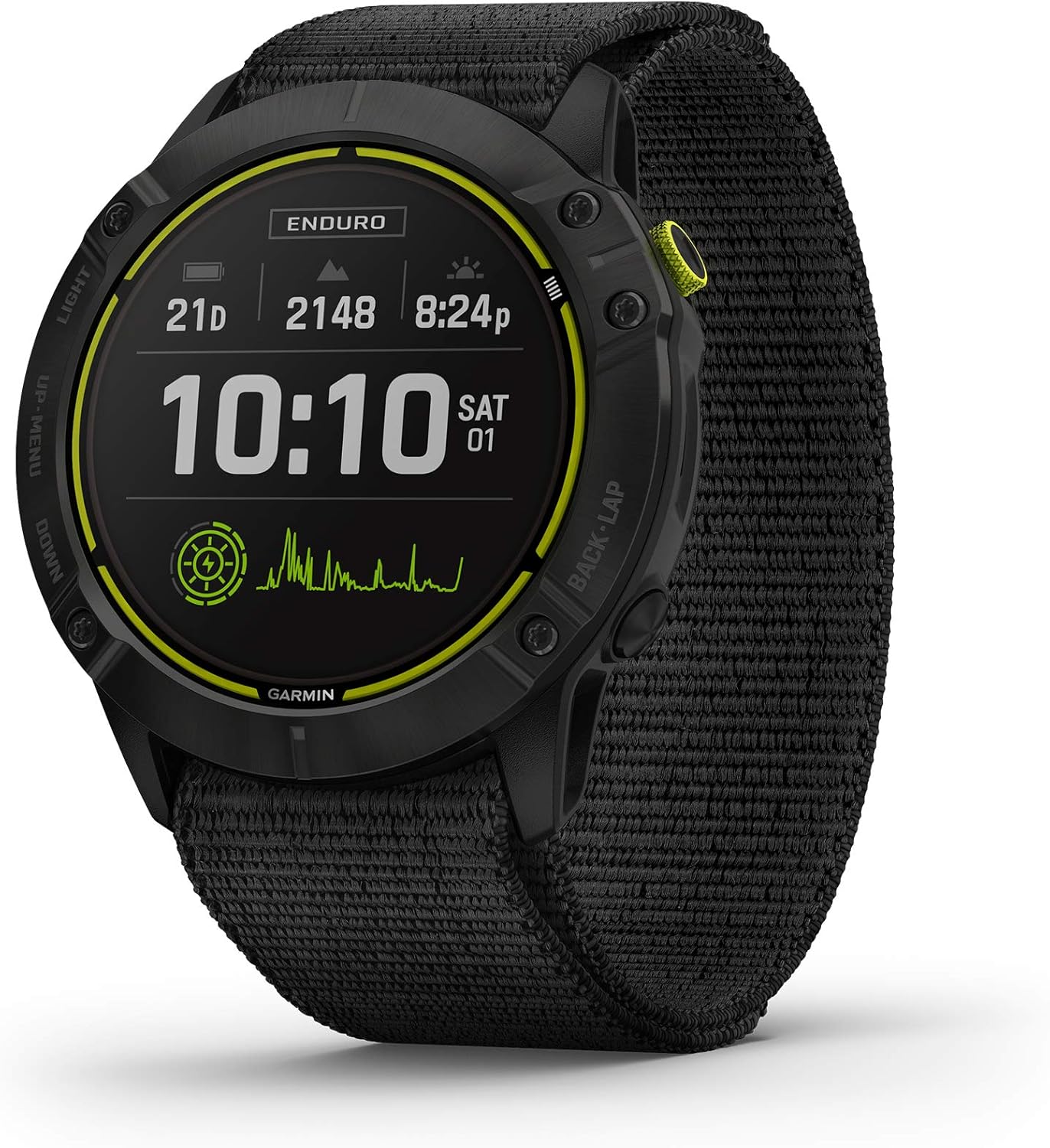
The Fenix Enduro’s Power Glass™ solar charging lens represents a significant advancement in wearable battery technology. By harvesting energy from sunlight, this feature extends battery life up to one year under optimal conditions (50,000 lux exposure, 3 hours per day). While solar charging is most effective in sunny environments, it provides a critical advantage for athletes who train outdoors for extended periods. The device’s Power Manager and Battery Saver modes allow users to customize sensor activity, prioritizing essential functions like GPS tracking and heart rate monitoring while disabling non-essential features to conserve energy.
Power Modes and Battery Longevity
The Fenix Enduro offers multiple power management options to accommodate varying activity demands. The Power Manager mode dynamically adjusts sensor activity based on user preferences, while the Battery Saver mode disables GPS and other high-drain sensors to maximize battery life. For ultrarunners, the GPS-only mode ensures continuous location tracking without compromising durability or performance. These modes are particularly beneficial for athletes who need to balance data collection with energy conservation during multi-day events or long-distance races.
Real-World Battery Performance
While the Fenix Enduro’s solar charging capabilities are impressive, its battery life is heavily dependent on environmental conditions and usage patterns. In low-light environments, the device relies on its built-in lithium-ion battery, which provides up to 80 hours of GPS tracking. For users who frequently train in shaded areas or during early mornings, the battery life may fall short without supplemental charging. However, the combination of solar charging and power modes ensures that the device remains functional in most outdoor scenarios, making it a reliable companion for endurance athletes.
Sensor Accuracy and Environmental Awareness
Trail Run VO2 Max and Cardiovascular Monitoring
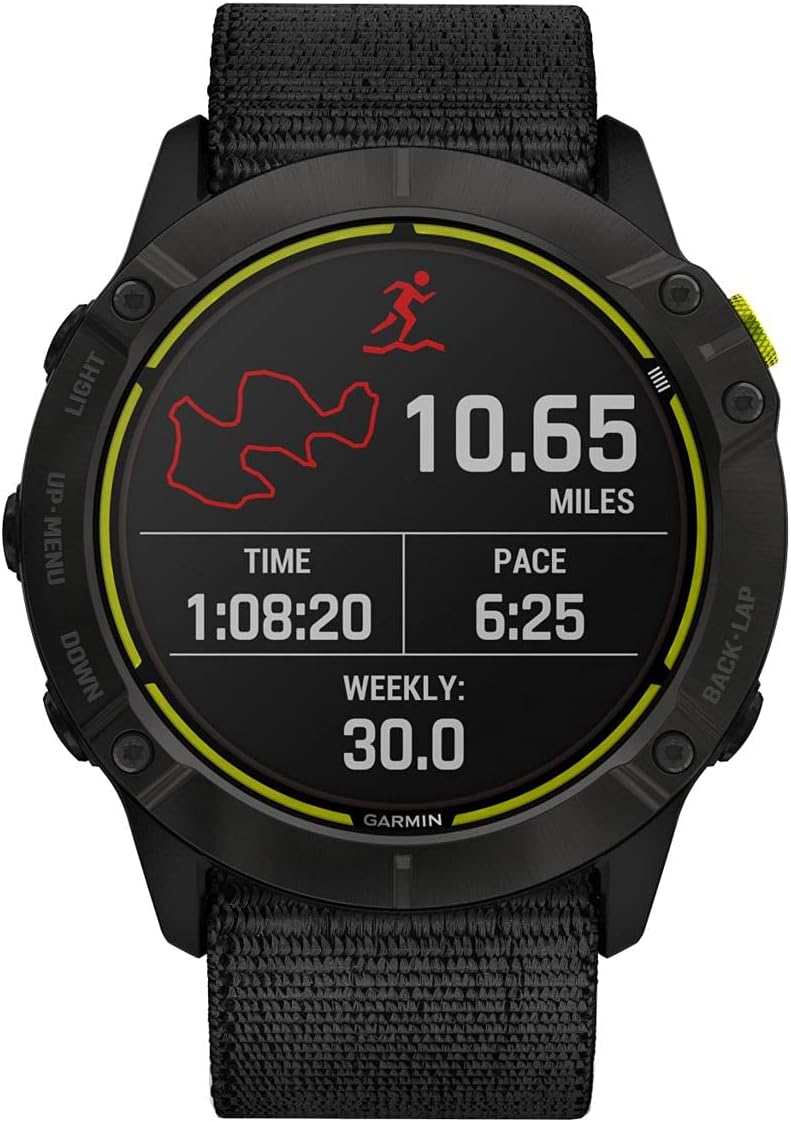
The Fenix Enduro’s Trail Run VO2 Max feature provides critical insights into an athlete’s cardiovascular fitness by analyzing heart rate variability and movement patterns during trail runs. Unlike traditional VO2 Max measurements, this feature adapts to trail conditions, accounting for elevation changes and terrain complexity. By tracking cardiovascular efficiency, athletes can optimize their training intensity and recovery strategies. The data is particularly useful for ultrarunners who need to balance endurance with energy conservation over long distances.
ClimbPro and Route Navigation
The ClimbPro feature enhances trail navigation by providing real-time information on upcoming climbs, descents, and flat sections. This functionality is crucial for athletes who need to manage energy expenditure during steep ascents or navigate complex terrain. By highlighting elevation changes, the device helps users anticipate physical demands and adjust their pacing accordingly. The integration of multi-GNSS systems ensures precise location tracking, even in areas with limited satellite coverage, making it an essential tool for remote trail runners.
Barometric Altimeter and Environmental Readings
The Fenix Enduro’s barometric altimeter and compass provide accurate elevation data and directional awareness, which is vital for route navigation and performance analysis. The altimeter tracks changes in atmospheric pressure to determine altitude, offering insights into vertical progress and terrain difficulty. Combined with the compass, these sensors enable athletes to maintain situational awareness in challenging environments. For multi-sport athletes, this data is particularly valuable for cross-training activities that involve elevation-based metrics.
Comfort, Fit, and Wearability
Lightweight Design and Material Choices
The Fenix Enduro’s rugged, lightweight design prioritizes comfort for extended wear. The device features a 1.4-inch always-on display and a DLC-coated titanium bezel, which reduces weight while maintaining structural integrity. The UltraFit nylon band is designed for flexibility and breathability, making it suitable for long-duration activities. The combination of durable materials and ergonomic design ensures that the watch remains comfortable during intense training sessions or multi-day events.
Band Options and Customization
The Fenix Enduro offers a range of band options to accommodate different user preferences and activity types. The UltraFit nylon band is ideal for trail running due to its lightweight and breathable properties, while the steel or titanium bezel provides a premium feel. The device’s customizable watch faces and interface settings allow users to tailor the display to their specific needs, enhancing usability during prolonged wear. This level of customization is particularly beneficial for athletes who require quick access to critical data during training.
User Experience and Interface Design
The Fenix Enduro’s interface is designed for intuitive navigation, with a focus on accessibility during physical activity. The always-on display ensures that key metrics like heart rate, elevation, and route progress are visible without requiring frequent interactions. The device’s buttons and touchscreen interface are responsive, allowing users to adjust settings or review data quickly. For multi-sport athletes, the ability to switch between different training modes and view real-time analytics enhances the overall user experience.
Compatibility and Software Integration
Garmin Connect App and Data Sync
The Fenix Enduro seamlessly integrates with Garmin Connect, a cloud-based platform that allows users to sync data, analyze performance, and share progress with coaches or training partners. The app provides detailed insights into training load, recovery status, and environmental conditions, making it an essential tool for data-driven athletes. The integration of GPS data with health metrics like sleep quality and heart rate variability enables comprehensive performance analysis, which is particularly valuable for endurance athletes.
Third-Party App Support and Customization
While the Fenix Enduro is primarily designed for Garmin’s ecosystem, it supports third-party apps through its Connect IQ platform. This feature allows users to customize watch faces, add specialized training apps, and access additional data sources. The ability to integrate with external apps enhances the device’s versatility, making it suitable for athletes who require tailored training insights. However, the limited compatibility with non-Garmin apps may be a drawback for users who prefer cross-platform solutions.
Firmware Updates and Long-Term Support
Garmin regularly updates the Fenix Enduro’s firmware to improve functionality and address user feedback. These updates ensure that the device remains compatible with evolving training methodologies and software standards. The long-term support for the device is particularly beneficial for athletes who rely on the latest features for performance optimization. However, the frequency of updates may vary, and users should check Garmin’s support resources for the most current information.
Pros & Cons
Pros
- Solar Charging Capabilities: The Power Glass™ lens extends battery life significantly, reducing the need for frequent recharging.
- Multi-GNSS Support: Enhanced navigation accuracy in areas with limited satellite coverage, crucial for remote trail runners.
- Advanced Training Metrics: Trail Run VO2 Max and ClimbPro provide detailed insights into cardiovascular fitness and route navigation.
- Rugged and Lightweight Design: The DLC-coated titanium bezel and UltraFit band ensure durability without compromising comfort.
- Comprehensive Data Sync: Seamless integration with Garmin Connect allows for detailed performance analysis and recovery tracking.
- Customizable Power Modes: Users can optimize battery life based on activity type and environmental conditions.
- Barometric Altimeter and Compass: Essential for elevation-based training and directional awareness in challenging terrains.
Cons
- Limited Third-Party App Compatibility: While Connect IQ supports customization, integration with non-Garmin apps is restricted.
- Battery Life Dependent on Environment: Solar charging is less effective in low-light conditions, potentially shortening battery life.
- Complex Interface for Casual Users: The device’s advanced features may overwhelm users who prefer simpler, more intuitive interfaces.
- Weight Consideration: While lightweight, the device’s size and materials may feel bulky for users accustomed to smaller smartwatches.
- Firmware Update Frequency: Users may need to actively check for updates to access the latest features and improvements.
Final Verdict: Who This Wearable Is Best For (and Who Should Skip It)
The Garmin Fenix Enduro is an excellent choice for ultrarunners, trail runners, and multi-sport athletes who require advanced GPS tracking, environmental awareness, and extended battery life. Its solar charging capabilities, multi-GNSS support, and detailed training metrics make it a reliable tool for endurance activities in remote or challenging terrains. The device’s rugged design and customizable power modes ensure it remains functional during long-duration events, while the integration with Garmin Connect provides valuable performance insights. However, the Fenix Enduro may not be the best fit for casual users or those who prioritize simplicity over advanced features. Its complex interface and limited third-party app compatibility could be drawbacks for individuals seeking a more straightforward wearable. In 2026, the Fenix Enduro remains a top-tier option for athletes who demand precision, durability, and comprehensive data collection in their training and competitions.
Frequently Asked Questions (FAQs)
How does the solar charging feature affect battery life?
The Power Glass™ solar charging lens on the Garmin Fenix Enduro harvests sunlight to extend battery life up to one year under optimal conditions (50,000 lux exposure, 3 hours per day). In low-light environments, the device relies on its lithium-ion battery, which provides up to 80 hours of GPS tracking. Solar charging is most effective in sunny conditions, making it ideal for outdoor athletes who train in varied environments.
What GPS systems does the Fenix Enduro support?
The Garmin Fenix Enduro supports multiple Global Navigation Satellite Systems (GNSS), including GPS, GLONASS, Galileo, and QZSS. This multi-GNSS capability enhances navigation accuracy, especially in areas with limited satellite coverage, ensuring reliable location tracking for trail runners and multi-sport athletes.
Can the Fenix Enduro track VO2 Max for trail running?
Yes, the Fenix Enduro features Trail Run VO2 Max, which provides real-time insights into cardiovascular fitness by analyzing heart rate variability and movement patterns during trail runs. This metric adapts to trail conditions, offering a more accurate assessment of aerobic efficiency compared to traditional VO2 Max measurements.
Is the Fenix Enduro suitable for ultrarunners?
The Garmin Fenix Enduro is specifically designed for ultrarunners and multi-sport athletes. Its extended battery life, multi-GNSS navigation, and ClimbPro feature make it ideal for long-distance races and remote training sessions. The device’s rugged design and solar charging capabilities ensure reliability during extended outdoor activities.
What are the key differences between the Fenix Enduro and other Garmin models?
The Fenix Enduro stands out with its solar charging capabilities, which significantly extend battery life compared to standard Garmin watches. It also includes advanced trail-specific features like Trail Run VO2 Max and ClimbPro, making it more tailored for ultrarunners and trail runners. Its multi-GNSS support and barometric altimeter further enhance its suitability for outdoor endurance activities.
How does the Fenix Enduro handle battery conservation in different modes?
The Fenix Enduro offers Power Manager and Battery Saver modes to optimize battery life. Power Manager dynamically adjusts sensor activity based on user preferences, while Battery Saver disables non-essential features like GPS to maximize longevity. These modes allow athletes to balance data collection with energy conservation during long-duration events.
Can the Fenix Enduro integrate with third-party apps?
The Fenix Enduro supports third-party apps through its Connect IQ platform, allowing users to customize watch faces and add specialized training apps. However, its compatibility with non-Garmin apps is limited, making it more suited for users who prioritize Garmin’s ecosystem over cross-platform integration.
What is the recommended use case for the Fenix Enduro?
The Garmin Fenix Enduro is best suited for ultrarunners, trail runners, and multi-sport athletes who require advanced GPS tracking, environmental awareness, and extended battery life. Its features are optimized for long-distance events and remote training, making it a reliable choice for endurance athletes in 2026.