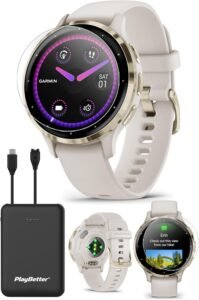
Garmin Fenix 7 Smartwatch Review: Outdoor Tracking, Health Monitoring, and Battery Life

The Importance of Choosing the Right Wearable Device
In the rapidly evolving landscape of wearable technology, selecting the ideal smartwatch requires careful consideration of specific use cases and user priorities. For outdoor enthusiasts, athletes, and health-conscious individuals, a device must balance robust performance with intuitive usability. The Garmin Fenix 7 represents a significant advancement in rugged, multifunctional wearables, offering a unique blend of advanced tracking capabilities, durable construction, and seamless integration with digital ecosystems. Its design caters to users who demand precision in both fitness and navigation, making it particularly appealing for those who engage in multisport activities or require reliable outdoor guidance. This review evaluates the Fenix 7’s core attributes—sensor accuracy, battery longevity, connectivity options, and health monitoring features—to determine its suitability for different user profiles. By analyzing its technical specifications and aggregated user feedback, we aim to provide a data-driven assessment of its strengths and limitations in the context of 2026’s wearable market.
Quick Overview
| Feature | Details |
|---|---|
| Device Category | Rugged outdoor smartwatch |
| Tracking Metrics | Heart rate, GPS, altitude, stress, sleep, and 30+ sports modes |
| Sensors | 3-axis compass, gyroscope, barometric altimeter, Pulse Ox (select regions) |
| Battery Life | Up to 18 days in smartwatch mode, 57 hours in GPS mode, 40 days in Expedition mode |
| Platform Compatibility | Android |
| Intended Users | Multisport athletes, hikers, adventurers, and health monitors |
| Durability | IP68 water resistance, shock-resistant polymer case |
| Warranty | 2-year limited warranty |
The Garmin Fenix 7’s combination of long battery life, advanced sensor suite, and GPS capabilities positions it as a versatile tool for both fitness tracking and outdoor navigation. Its rugged design and compatibility with Android devices make it a strong contender for users who prioritize durability and comprehensive health monitoring in challenging environments.

Health and Wellness Tracking Capabilities
The Garmin Fenix 7 delivers comprehensive health and wellness tracking through its integrated sensors and advanced algorithms. The device features a wrist-based heart rate monitor that continuously tracks cardiac activity, providing insights into workout intensity and recovery periods. Its Pulse Ox sensor, available in select regions, measures blood oxygen saturation levels, offering additional data for users monitoring respiratory health. The watch also includes stress tracking that uses heart rate variability to estimate physiological stress levels, while its enhanced sleep tracking analyzes sleep stages and provides recommendations for improving rest quality. These features collectively support users seeking to monitor their overall wellness, though it is important to note that the device is intended for general activity tracking rather than medical diagnostics.

Heart Rate and Pulse Ox Monitoring
The Fenix 7’s heart rate sensor utilizes photoplethysmography to measure blood flow changes, providing real-time data on cardiovascular activity. This data is particularly useful for athletes monitoring their exertion levels during workouts. The Pulse Ox sensor, when available, measures blood oxygen levels by analyzing light absorption in the bloodstream, offering additional insights for users with respiratory conditions or those engaging in high-altitude activities. However, the accuracy of these metrics may vary depending on environmental factors and individual physiology, as noted in aggregated user feedback.
Stress and Sleep Tracking
The stress tracking feature employs heart rate variability (HRV) analysis to estimate physiological stress levels, helping users identify patterns in their daily routines. While this data can inform lifestyle adjustments, it is not a substitute for professional medical evaluation. The sleep tracking functionality uses motion and heart rate data to assess sleep stages, including light, deep, and REM cycles. Users have reported that the sleep insights provide actionable recommendations for improving rest quality, though the device does not offer medical-grade sleep diagnostics.
Health Metrics and Data Reliability
The Fenix 7’s health metrics are derived from its combination of sensors and proprietary algorithms. While the data is generally reliable for general fitness and wellness purposes, users should be aware that the device is not intended for medical use. The accuracy of metrics such as stress levels and sleep stages may be influenced by factors like movement artifacts and individual biological variability. For users seeking clinical-grade health monitoring, additional devices or professional consultations may be necessary.
Battery Life and Power Efficiency
Battery longevity is a critical factor for outdoor and fitness users, and the Garmin Fenix 7 excels in this aspect. The device offers up to 18 days of battery life in smartwatch mode, which balances continuous health tracking with occasional notifications. In GPS mode, which is essential for outdoor navigation, the battery lasts up to 57 hours, making it suitable for extended adventures. The Expedition mode extends battery life to 40 days by limiting non-essential functions, ideal for users who require long-term tracking without frequent recharging. These power-saving features are achieved through a combination of energy-efficient hardware and intelligent software optimization.

Power Management in Different Modes
The Fenix 7’s battery life varies significantly depending on the mode selected. Smartwatch mode prioritizes daily use with frequent notifications and health tracking, while GPS mode focuses on location accuracy for outdoor activities. Expedition mode further conserves power by disabling non-essential features such as constant notifications and screen brightness. Users have noted that the device’s power management is effective for most use cases, though extended GPS use in extreme conditions may still drain the battery more quickly than expected.
Charging and Connectivity
The Fenix 7 uses a USB charging cable for recharging, which is a standard and convenient method for users. Its Bluetooth connectivity allows for seamless pairing with Android devices, enabling notifications, music control, and data synchronization. The device also supports USB connectivity for direct data transfer, which is useful for transferring activity logs and maps. While the charging process is straightforward, users should be aware that the battery capacity is limited to a single lithium-ion cell, which may impact long-term durability compared to devices with more robust battery architectures.
Power Efficiency and Environmental Factors
The Fenix 7’s power efficiency is influenced by its hardware design and software optimization. The lithium-polymer battery provides a balance between capacity and weight, which is crucial for a wearable device. However, extreme temperatures can affect battery performance, as noted in some user reviews. The device’s power-saving features are generally effective, but users in harsh environments may need to adjust settings to maximize battery life. Overall, the Fenix 7’s battery management is a strong asset for its target audience.
Rugged Design and Environmental Resistance
The Garmin Fenix 7 is engineered for durability, featuring a rugged, shock-resistant design that withstands harsh outdoor conditions. Its fiber-reinforced polymer case provides protection against impacts, making it suitable for activities such as rock climbing and trail running. The device is rated IP68 for water resistance, allowing it to function in rain, snow, and shallow water. These environmental protections ensure that the Fenix 7 remains operational in a wide range of conditions, from mountain expeditions to daily use in urban environments.

Durability in Extreme Conditions
The Fenix 7’s construction materials are designed to withstand physical stress, with the polymer case offering resistance to cracks and scratches. Users have reported that the device maintains its structural integrity even after exposure to rough handling. The IP68 rating means it can be submerged in water up to 50 meters for 30 minutes, making it suitable for swimming and water-based activities. However, prolonged submersion or exposure to high-pressure environments may still pose risks, as the device is not rated for deep-sea diving or industrial use.
Environmental Resistance and Weatherproofing
The Fenix 7’s weatherproofing capabilities are a key selling point for outdoor enthusiasts. Its resistance to water, dust, and temperature extremes ensures reliable performance in challenging environments. The device’s sensors are designed to function accurately even in varying weather conditions, though extreme heat or cold may affect battery life and sensor accuracy. Users should be aware that while the device is built for durability, it is not indestructible and should be handled with care in extreme scenarios.
Longevity and Maintenance
The Fenix 7’s durability extends to its long-term usability, with a 2-year limited warranty covering manufacturing defects. Regular maintenance, such as avoiding exposure to extreme temperatures and keeping the device clean, can prolong its lifespan. The device’s robust construction reduces the need for frequent repairs, making it a cost-effective choice for users who prioritize reliability and longevity in their wearable technology.
Compatibility and Ecosystem Integration
The Garmin Fenix 7 is designed to integrate seamlessly with Android devices, offering a range of connectivity options that enhance its functionality. Bluetooth and USB connectivity allow for real-time notifications, music control, and data synchronization, ensuring that users stay connected without compromising battery life. The device also supports Garmin Pay, enabling contactless payments in supported regions. These features make the Fenix 7 a versatile tool for both fitness and everyday use, though its compatibility is limited to Android ecosystems.

Android Integration and Notifications
The Fenix 7’s Bluetooth connectivity enables it to sync with Android smartphones, providing real-time notifications for calls, messages, and app alerts. Users can customize notification settings to prioritize important alerts while minimizing distractions. The device also supports music storage and playback, allowing users to access their favorite tracks without carrying a phone. However, the reliance on Android compatibility means that iOS users may find the device less convenient, as it does not support Apple’s ecosystem features.
Garmin Pay and Contactless Payments
The Fenix 7’s Garmin Pay feature allows users to make contactless payments at supported locations, adding convenience to daily use. This functionality is available in select countries and requires a compatible payment network. While Garmin Pay is a useful addition for users who frequently make in-person transactions, its availability is limited to specific regions, which may affect its appeal for international users.
Software Ecosystem and Updates
The Fenix 7 runs on Garmin’s proprietary operating system, which is regularly updated to improve performance and add new features. These updates ensure that the device remains compatible with the latest Android versions and software enhancements. However, the closed ecosystem means that users cannot install third-party apps or customize the operating system, which may be a drawback for users seeking greater flexibility.
Pros & Cons
Pros
- Extended Battery Life: The Fenix 7’s power-saving modes provide up to 40 days of battery life in Expedition mode, ideal for long-term outdoor use.
- Comprehensive Health Tracking: The device offers continuous heart rate monitoring, stress tracking, and sleep analysis, supporting holistic wellness management.
- Advanced GPS and Navigation: With support for multi-GNSS systems and preloaded maps, the Fenix 7 is well-suited for outdoor navigation and geocaching.
- Rugged and Durable Design: The shock-resistant polymer case and IP68 rating ensure reliable performance in harsh environments.
- Seamless Android Integration: Bluetooth connectivity enables real-time notifications, music control, and data synchronization without draining the battery.
- Garmin Pay Support: Contactless payments add convenience for users who frequently make in-person transactions.
- Customizable Watch Faces and Widgets: The device allows users to personalize the interface with various watch faces and widgets for quick access to key metrics.
- Long-Term Software Support: Regular updates ensure compatibility with the latest Android features and enhance device performance over time.
Cons
- Limited iOS Compatibility: The Fenix 7 is only compatible with Android devices, which may be a drawback for iOS users seeking similar functionality.
- No Medical Diagnostics: While the device provides health metrics, it is not intended for medical use and should not replace professional health consultations.
- Battery Performance in Extreme Conditions: Prolonged GPS use in harsh environments may drain the battery more quickly than expected.
- Limited Third-Party App Support: The closed ecosystem restricts the ability to install third-party applications or customize the operating system.
- Size and Weight Considerations: The device’s bulkier design may be less comfortable for users who prefer lightweight wearables.
- Regional Availability of Features: Certain features, such as Pulse Ox, are only available in select regions, limiting the device’s global appeal.
- No Built-In Emergency SOS: Unlike some competitors, the Fenix 7 does not include a built-in emergency SOS feature for users in distress.
Final Verdict: Who This Wearable Is Best For (and Who Should Skip It)
The Garmin Fenix 7 is an excellent choice for outdoor enthusiasts, multisport athletes, and health-conscious individuals who prioritize durability, comprehensive tracking, and long battery life. Its advanced GPS capabilities, rugged design, and extensive health monitoring features make it particularly suitable for users who engage in activities such as hiking, running, and cycling. The device’s compatibility with Android ecosystems and support for Garmin Pay further enhance its utility for daily use. However, the Fenix 7 may not be the best fit for users who require medical-grade health monitoring, prefer lightweight wearables, or primarily use iOS devices. Its limited third-party app support and regional feature availability also make it less appealing for users with specific customization needs or international preferences. Overall, the Fenix 7 remains a strong contender in the rugged smartwatch category, offering a balanced blend of performance and reliability for its target audience.
Frequently Asked Questions (FAQs)
What are the key health tracking features of the Garmin Fenix 7?
The Garmin Fenix 7 includes continuous heart rate monitoring, Pulse Ox (available in select regions), stress tracking via heart rate variability, and enhanced sleep analysis. These metrics provide insights into cardiovascular health, respiratory function, and overall wellness, though the device is intended for general activity tracking rather than medical diagnostics.
How long does the Garmin Fenix 7 last on a single charge?
The Fenix 7 offers up to 18 days of battery life in smartwatch mode, 57 hours in GPS mode, and 4,000 hours in Expedition mode. Battery longevity depends on usage patterns, with GPS-intensive activities consuming more power.
Is the Garmin Fenix 7 suitable for outdoor navigation?
Yes, the Fenix 7 supports multi-GNSS systems (GPS, GLONASS, Galileo) and includes preloaded maps for golf courses and ski resorts. Its barometric altimeter and 3-axis compass enhance navigation accuracy in outdoor environments.
Can the Garmin Fenix 7 be used for swimming or water activities?
The device is rated IP68 for water resistance, allowing it to function in rain, snow, and shallow water. However, it is not designed for deep-sea diving or prolonged submersion in high-pressure environments.
What are the connectivity options for the Garmin Fenix 7?
The Fenix 7 supports Bluetooth for notifications and music control, as well as USB connectivity for data transfer. It also includes Garmin Pay for contactless payments in supported regions.
Does the Garmin Fenix 7 have any medical certifications?
The device is not intended for medical use and does not carry medical certifications. Its health metrics are for general wellness tracking and should not replace professional health consultations.
Is the Garmin Fenix 7 compatible with iOS devices?
No, the Fenix 7 is only compatible with Android devices. It does not support iOS integration or Apple’s ecosystem features, making it less suitable for iPhone users.
What is the warranty coverage for the Garmin Fenix 7?
The Garmin Fenix 7 comes with a 2-year limited warranty covering manufacturing defects. This warranty does not include damage from misuse or environmental factors beyond its rated specifications.