Garmin vivomove Sport Review: Health Tracking & Smartwatch Features

The Importance of Choosing the Right Wearable Device
In 2026, wearable technology has become an essential tool for managing health, productivity, and lifestyle habits. With over 500 million active wearables users globally, the demand for devices that balance style, functionality, and accuracy has never been higher. The Garmin vivomove Sport represents a compelling option for individuals seeking a hybrid smartwatch that merges traditional analog aesthetics with modern health tracking capabilities. This device caters to users who prioritize seamless integration with smartphones, intuitive health monitoring, and long battery life without compromising on design. Whether you’re an athlete tracking fitness metrics, a busy professional managing daily routines, or someone interested in improving sleep quality, the vivomove Sport offers a tailored experience. Its unique combination of touchscreen functionality, GPS connectivity, and advanced health sensors makes it a versatile choice for users who value both form and function. However, its suitability depends on specific needs, such as the importance of medical-grade accuracy or the necessity for extended battery life. This review provides an objective analysis of the vivomove Sport’s features, performance, and limitations to help users make an informed decision.
Quick Overview
| Feature | Details |
|---|---|
| Device Category | Hybrid smartwatch with analog-digital interface |
| Supported Tracking Metrics | Steps, calories, sleep, heart rate, stress, Body Battery, menstrual cycle |
| Sensors and Hardware | Heart rate monitor, GPS (via smartphone), touchscreen interface, lithium polymer battery |
| Battery Life | Up to 5 days in smartwatch mode, 1 additional day in watch-only mode |
| Platform Compatibility | Android and iOS |
| Intended User Profiles | Fitness enthusiasts, busy professionals, health-conscious individuals |
| Durability Ratings | Water-resistant (50 meters), scratch-resistant glass |
| Software Support | Garmin Connect app, firmware updates |
The vivomove Sport’s hybrid design and multifunctional sensors make it well-suited for users who want a stylish yet capable wearable. Its ability to sync with smartphones for GPS tracking and notifications ensures it remains practical for daily use. However, its limited screen size and lack of medical certifications may make it less ideal for users requiring advanced health diagnostics.

Health and Wellness Tracking Capabilities
The vivomove Sport is designed to provide comprehensive insights into daily health and activity patterns. Its advanced health monitoring features include Body Battery energy tracking, Pulse Ox measurement, and stress level analysis, all of which contribute to a holistic understanding of user well-being. These metrics are particularly valuable for individuals aiming to balance physical exertion with recovery periods. The device’s ability to monitor menstrual cycle phases and offer personalized insights makes it a useful tool for women’s health management. Additionally, the integration of sleep tracking with detailed sleep stage analysis helps users identify patterns that may impact overall health. However, it is important to note that these features are intended for general health awareness rather than medical diagnosis. The device’s reliance on smartphone GPS for outdoor activities ensures accurate tracking of distance and pace, though this may depend on the phone’s signal strength and battery life.

Body Battery Energy Monitoring
Body Battery™ technology is a standout feature of the vivomove Sport, offering users a visual indicator of their energy levels throughout the day. This metric is calculated based on factors such as heart rate variability, sleep quality, and activity intensity, providing a dynamic assessment of physical readiness. For users who engage in regular exercise or high-stress work environments, this feature can help optimize training schedules and recovery times. The device’s ability to suggest optimal rest periods based on energy levels adds a layer of personalization to its health tracking capabilities. However, the accuracy of Body Battery readings may vary depending on individual physiology and the consistency of data collection.
Stress and Sleep Monitoring
The vivomove Sport includes stress tracking that uses heart rate variability to assess the user’s autonomic nervous system activity. This feature is particularly beneficial for individuals seeking to manage work-life balance or reduce anxiety. The device’s sleep tracking goes beyond basic sleep duration by analyzing sleep stages—light, deep, and REM—to provide a detailed overview of rest quality. Users can gain insights into sleep disruptions and adjust their routines accordingly. While these features offer valuable data, their effectiveness relies on consistent wear and accurate sensor readings, which may be influenced by external factors such as ambient temperature or movement during sleep.
Battery Life and Charging Efficiency
Battery life is a critical consideration for wearable devices, and the vivomove Sport excels in this area. With up to 5 days of battery life in smartwatch mode and an additional day in watch-only mode, the device is well-suited for users who need extended functionality without frequent charging. The lithium polymer battery ensures a compact design while maintaining sufficient capacity for daily use. The device’s power-saving features, such as automatic screen dimming and background process optimization, further extend battery longevity. However, the need to pair with a smartphone for GPS tracking may drain the phone’s battery, which could indirectly affect the watch’s overall usage time. Users should also note that charging the device requires a USB connection, and the included charging cable is a standard micro-USB or USB-C adapter depending on the model. While the battery life is competitive with other hybrid smartwatches, users who require continuous GPS tracking for extended periods may need to carry a power bank for their smartphone.

Power Management and Usage Scenarios
The vivomove Sport’s battery efficiency is optimized for scenarios where users need to balance smartwatch functionality with minimal interruptions. For example, during a full workday, the device can operate in smartwatch mode without requiring frequent recharging. However, activities that demand constant GPS usage, such as long-distance running or cycling, may reduce battery life due to the reliance on the paired smartphone’s GPS. The device’s ability to switch between smartwatch and watch-only modes allows users to tailor power consumption based on their needs. Users should also be mindful of screen brightness and notification frequency, as these settings can impact battery longevity. While the battery life is sufficient for most daily tasks, users with high-intensity usage patterns may need to adjust settings or recharge the device more frequently.
Comfort, Fit, and Wearability
Comfort is a key factor in the long-term usability of any wearable device, and the vivomove Sport’s design prioritizes user experience. The 40 mm rectangular case and lightweight build (1.19 ounces) make it suitable for extended wear without causing discomfort. The scratch-resistant glass and durable polymer casing contribute to its resilience against daily wear and tear. The touchscreen interface is responsive and intuitive, allowing users to navigate features without the need for physical buttons. However, the device’s screen size of 0.8 inches may present challenges for users with smaller wrists or those who prefer larger displays for readability. The watch’s water resistance (50 meters) ensures it can withstand incidental splashes and light rain, making it suitable for casual outdoor activities. While the design is aesthetically pleasing, users who prioritize a more sporty or minimalist look may find the vivomove Sport’s hybrid style less appealing. Overall, the device strikes a balance between comfort and functionality, though individual preferences may influence its suitability.

Design and Ergonomics
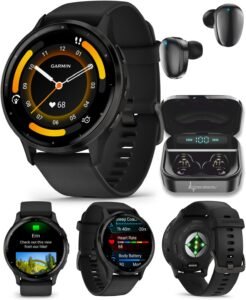
The vivomove Sport’s hybrid design combines the elegance of an analog watch with the functionality of a smartwatch. The rotating bezel and analog face provide a timeless look, while the hidden touchscreen allows for seamless access to digital features. The device’s slim profile and lightweight construction make it comfortable for all-day wear, even during extended periods of activity. The touchscreen interface is intuitive, with clear icons and easy-to-navigate menus. However, the absence of physical buttons may pose challenges for users who rely on tactile feedback for navigation. The watch’s water resistance rating ensures it can handle light exposure to water, but it is not suitable for swimming or submersion. For users who value a sleek, minimalist design, the vivomove Sport’s aesthetics may be a significant advantage. However, those who prefer more rugged or sporty designs may find the device less versatile.
Compatibility and Ecosystem Integration
The vivomove Sport’s ability to integrate with both Android and iOS platforms ensures broad compatibility with modern smartphones. This cross-platform support allows users to receive notifications, manage calendar events, and access smartwatch features regardless of their mobile operating system. The device’s connectivity relies on Bluetooth and USB for data transfer, which is standard for most smartwatches. However, the reliance on smartphone GPS for outdoor tracking may introduce limitations in areas with poor network coverage. The Garmin Connect app serves as the central hub for managing device settings, reviewing health data, and receiving firmware updates. While the app provides a comprehensive overview of the watch’s performance, users may find the interface slightly less intuitive compared to other smartwatch companion apps. The device’s compatibility with third-party apps is limited to basic functions, which may restrict its versatility for users who rely on specialized health or fitness applications.

Cross-Platform Functionality
The vivomove Sport’s support for both Android and iOS ensures that users can seamlessly integrate the device into their existing smartphone ecosystem. Notifications, call management, and app interactions are handled efficiently, though the device’s ability to process complex tasks is limited by its hardware capabilities. The reliance on smartphone GPS for outdoor activities means that the watch’s accuracy depends on the phone’s signal strength and battery life. For users who require independent GPS functionality, this limitation may be a drawback. The Garmin Connect app provides a robust platform for managing health data and device settings, but its user interface is not as polished as some competitors’ apps. Overall, the vivomove Sport’s compatibility with major operating systems is a significant advantage, though users may need to adjust their expectations regarding standalone GPS capabilities.
Pros & Cons
Pros
- Comprehensive Health Monitoring: The device offers detailed insights into Body Battery, stress, sleep, and menstrual cycle tracking, providing a holistic view of user well-being.
- Extended Battery Life: With up to 5 days of smartwatch mode and an additional day in watch-only mode, the vivomove Sport reduces the need for frequent charging.
- Smart Notifications: Users can stay connected with incoming calls, texts, and calendar alerts without constantly checking their phone.
- Stylish Hybrid Design: The combination of analog aesthetics and touchscreen functionality appeals to users who value both form and function.
- Water Resistance: The 50-meter water resistance rating makes the device suitable for light water exposure and casual outdoor use.
- GPS Integration: The ability to sync with smartphone GPS ensures accurate tracking for outdoor activities like walking and running.
- User-Friendly Interface: The touchscreen is responsive, and the Garmin Connect app provides clear data visualization and settings management.
- Compatibility: Support for both Android and iOS ensures broad accessibility for users with different smartphone preferences.
Cons
- Limited Screen Size: The 0.8-inch display may be difficult to read for users with smaller wrists or those who prefer larger screens.
- No Medical Certifications: The health tracking features are intended for general awareness rather than medical diagnosis or treatment.
- Dependence on Smartphone GPS: Outdoor tracking accuracy is contingent on the paired phone’s GPS signal and battery life.
- No Physical Buttons: Users who rely on tactile navigation may find the touchscreen interface less intuitive.
- Limited Third-Party App Support: The device’s compatibility with external applications is restricted to basic functions, limiting versatility for advanced users.
- Battery Drain from Notifications: Frequent smartwatch mode usage can reduce battery life, requiring users to manage notification settings carefully.
Final Verdict: Who This Wearable Is Best For (and Who Should Skip It)
The Garmin vivomove Sport is an excellent choice for individuals who value a stylish, multifunctional hybrid smartwatch that balances health tracking with daily usability. Its comprehensive health metrics, extended battery life, and seamless smartphone integration make it ideal for fitness enthusiasts, busy professionals, and health-conscious users. The device’s ability to monitor Body Battery, stress levels, and sleep quality provides actionable insights for improving overall well-being. However, users who require advanced medical diagnostics or standalone GPS functionality may find the vivomove Sport less suitable. Additionally, those who prioritize large screens, physical buttons, or extensive third-party app support may prefer other smartwatches in the market. The vivomove Sport’s design and features align well with users who seek a versatile, aesthetically pleasing device without compromising on essential functionality. For the right audience, it offers a compelling blend of style, health tracking, and practicality.
Final Verdict: Who This Wearable Is Best For (and Who Should Skip It)
The Garmin vivomove Sport is best suited for users who appreciate a hybrid design that combines traditional analog aesthetics with modern smartwatch features. Its comprehensive health tracking, long battery life, and compatibility with both Android and iOS make it an ideal choice for individuals who want to monitor their well-being without sacrificing style. The device’s ability to provide insights into Body Battery, stress, and sleep patterns is particularly beneficial for those looking to optimize their daily routines. However, users who require advanced medical-grade health monitoring, independent GPS tracking, or a more rugged design may find the vivomove Sport less appropriate. Additionally, those who prefer larger screens or extensive third-party app integration may seek alternatives. Overall, the vivomove Sport is a well-rounded option for users who prioritize versatility, aesthetics, and practicality in their wearable technology.
Frequently Asked Questions (FAQs)
Can the Garmin vivomove Sport track medical-grade health metrics?
The vivomove Sport provides health insights such as Body Battery, stress levels, and sleep analysis. However, these features are intended for general awareness and not for medical diagnosis or treatment. Users should consult healthcare professionals for accurate health assessments.
How long does the battery last on the Garmin vivomove Sport?
The device offers up to 5 days of battery life in smartwatch mode and an additional day in watch-only mode. Battery longevity depends on usage patterns, including notification frequency and GPS tracking.
Does the vivomove Sport have standalone GPS functionality?
The vivomove Sport relies on the paired smartphone’s GPS for outdoor tracking. It does not have an independent GPS module, so its accuracy depends on the phone’s signal strength and battery life.
Is the vivomove Sport suitable for swimming or water sports?
The device is water-resistant up to 50 meters, making it suitable for light water exposure. However, it is not designed for swimming or submersion in deep water, and users should avoid prolonged contact with water.
Can the vivomove Sport sync with third-party health apps?
The vivomove Sport primarily integrates with the Garmin Connect app for health data management. Its compatibility with third-party apps is limited to basic functions, and advanced integration may require additional software or hardware.
What are the key differences between the vivomove Sport and other smartwatches?
The vivomove Sport stands out with its hybrid analog-digital design and Body Battery tracking. It offers extended battery life and seamless smartphone integration but lacks standalone GPS and advanced medical certifications compared to some competitors.
How does the touchscreen interface work on the vivomove Sport?
The touchscreen is responsive and allows users to navigate features without physical buttons. However, the 0.8-inch screen size may require careful handling for readability, especially in bright environments.
Is the vivomove Sport comfortable for all-day wear?
The lightweight build and slim profile make the vivomove Sport comfortable for extended use. However, users with smaller wrists may find the 40 mm case size less suitable, and the touchscreen interface may require frequent adjustments for optimal visibility.