Smartwatches: display, battery days, and which phone it actually works with
A smartwatch is a screen on the wrist that talks to a phone. Its specification sheet is long, and the line that matters most is near the bottom: which phone. Everything above it — display, battery, sensors — is read differently depending on the answer.
What the category is
Platform watches: Apple Watch for iPhone, Wear OS (Samsung, Google, Fossil) mostly for Android, each with an app store and daily charging. Long-battery watches (Garmin, Amazfit, Huawei, Coros) with their own operating systems, a week or more per charge, and a fixed feature set. Budget watches from small brands, with a proprietary app, calling over Bluetooth, and a spec sheet written to look like the first group. A watch with a SIM is a cellular watch and needs a plan.
How to read the spec sheet
Compatibility first: iOS, Android, or both, and what “both” leaves out. A Wear OS watch does not pair with an iPhone; a budget watch pairs with either through its own app and does little with notifications on iOS. The sheet names the app, and the app’s store listing names what it does.
Display: size in inches, AMOLED or LCD (or memory-in-pixel on long-battery watches), resolution, always-on. An AMOLED with always-on is the readable, charge-nightly choice; MIP is dim indoors and lasts weeks.
Battery in days, and under what: typical use, always-on off, GPS off. A review quotes the conditions. GPS hours, where stated, are the figure that matters for a marathon.
Sensors: optical heart rate, SpO2, ECG (which needs a regulatory clearance the sheet should name), skin temperature, barometric altimeter, compass. Presence is on the sheet; accuracy is not.
GPS: built in or from the phone, and which satellite systems (GPS, GLONASS, Galileo, dual-band). “GPS” on a budget watch often means connected GPS through the phone.
Water rating: 5 ATM is swimming; IP68 is rain and a shower; “waterproof” is a word.
Calling, payments, music: Bluetooth calling through the phone, NFC payments (and which service), onboard music storage. Each is a line on the sheet and a check against the phone.
Case size and weight: 40 to 46 mm cases, 30 to 60 grams; strap width in millimetres decides which straps fit.
Who it suits
An iPhone owner: Apple Watch, or a long-battery watch that accepts fewer notifications. An Android owner: Wear OS for the app store, or Garmin and Amazfit for the battery. A runner or cyclist: a watch with built-in multi-band GPS and stated GPS hours.
Who should skip it
Anyone who wants steps and sleep and not a second screen: a fitness tracker costs less and lasts a fortnight, and a smart ring does sleep with nothing on the wrist. A parent buying for a child needs the kids’ hub, where the questions are different.
Where to start
Six of the 452 smartwatches wearables reviewed on this site, one per model, across manufacturers. Every review is written from the manufacturer’s published specifications — how, and what that leaves out.
- Apple Watch SE (GPS, 40mm)
- Samsung Galaxy Watch (46mm) Heart Rate Monitor
- Garmin epix Gen 2
- Fitbit Sense Advanced Smartwatch with Tools
- Google Pixel Watch 1st Gen
- Amazfit Active 2 Premium Smart Watch
All 452 smartwatches wearable reviews
Newest first. Consumables, accessories and parts that were once filed here are excluded.
-
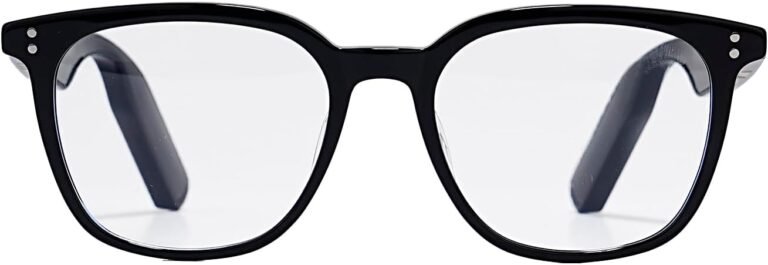
GoRhythm AI Smart Glasses: A Comprehensive 2026 Review of AI-Driven Translation, Safety, and Wearable Innovation
Evaluate the GoRhythm AI Smart Glasses for 2026: AI translation, UV protection, waterproof design, and hands-free communication. Assess suitability for travelers, professionals,…
-
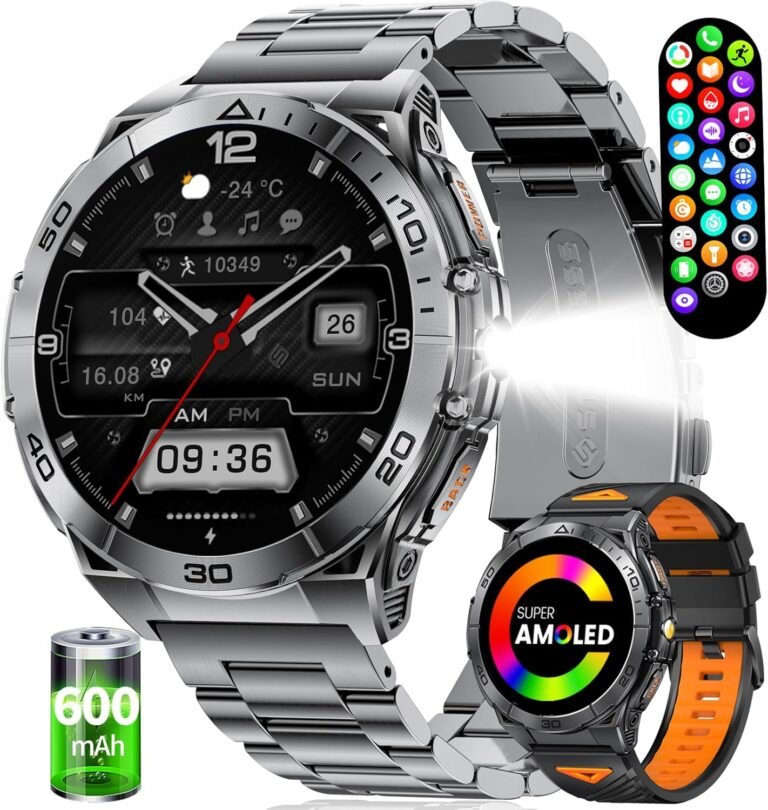
EF16 Smartwatch Review: A Versatile Outdoor Fitness Tracker for 2026
The EF16 smartwatch offers 116+ sports modes, IP68 waterproofing, and a 1.6-inch AMOLED display for accurate health tracking and long battery life.…
-
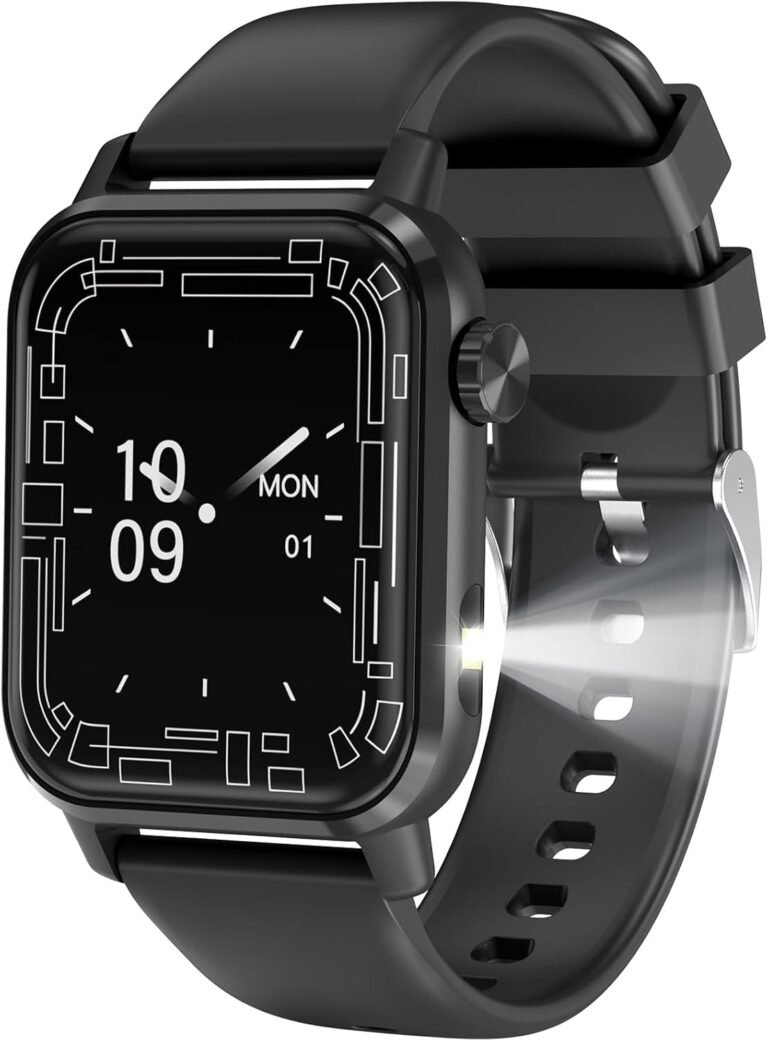
Smart Watch Review: 1.85″ HD Display, 3D Dynamic Dial, 60Hz Refresh Rate
Evaluate the 1.85″ HD display smartwatch with 100+ sports modes, IP68 waterproofing, and Bluetooth calling. Assess its health tracking, battery life, and…
-
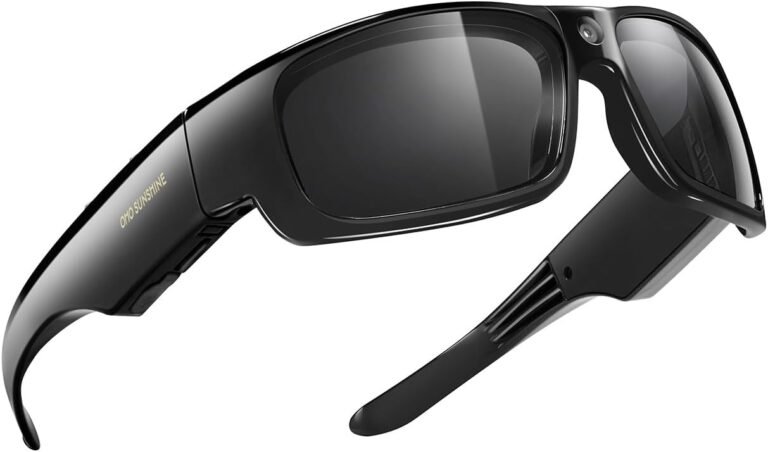
OhO Breeze Camera Glasses Review: A 2026 Guide to Action Sports Recording
Evaluate the OhO Breeze Camera Glasses for outdoor sports, featuring 1080P video, UV400 lenses, and 32GB storage. Compare battery life, durability, and…
-
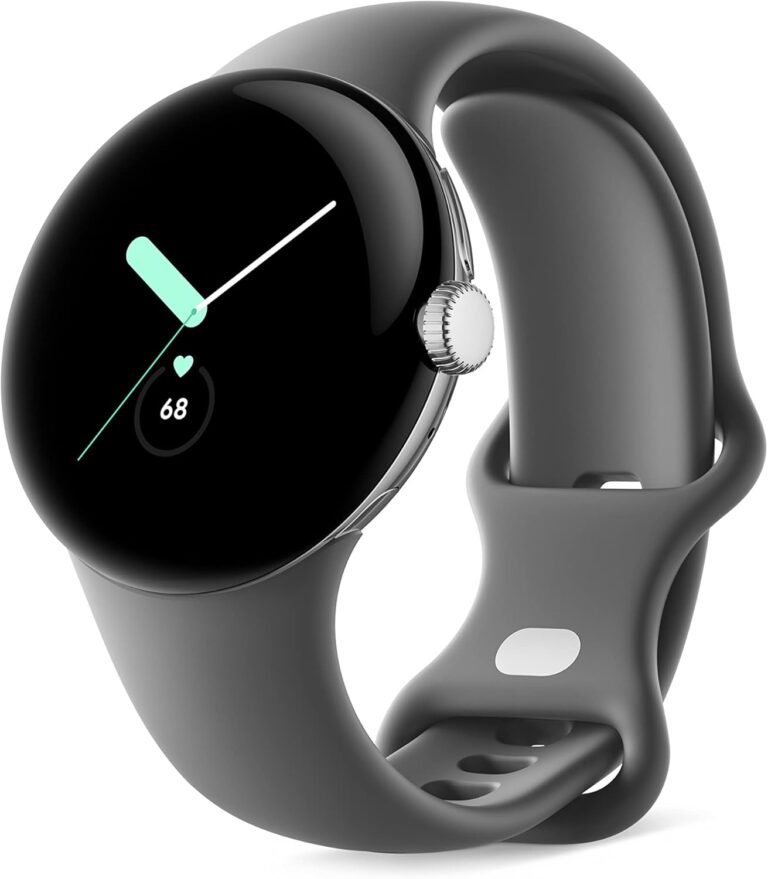
Google Pixel Watch 2026: A Comprehensive Review of Features, Performance, and User Suitability
Evaluate the Google Pixel Watch’s health tracking, smartwatch functionality, and compatibility with Android ecosystems. Explore its battery life, durability, and suitability for…
-
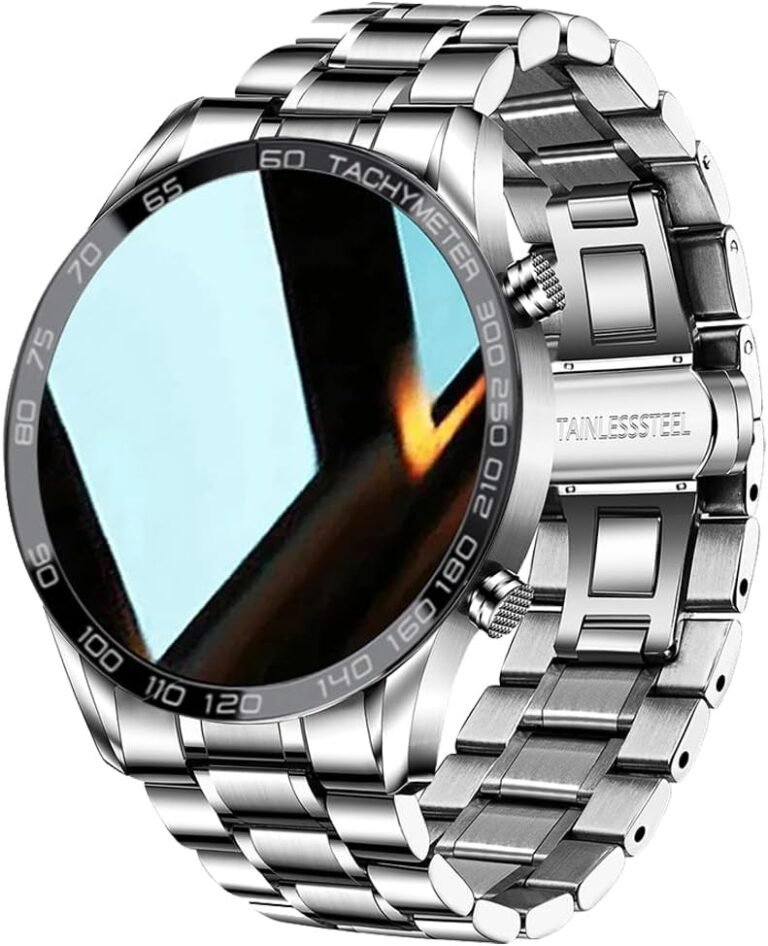
FILIEKEU Men Smart Watch Review: Fitness Tracking, Health Monitoring, and Daily Wearability in 2026
Evaluate the FILIEKEU Men Smart Watch for health tracking, battery life, and compatibility. Discover its pros, cons, and ideal user profiles in…
-
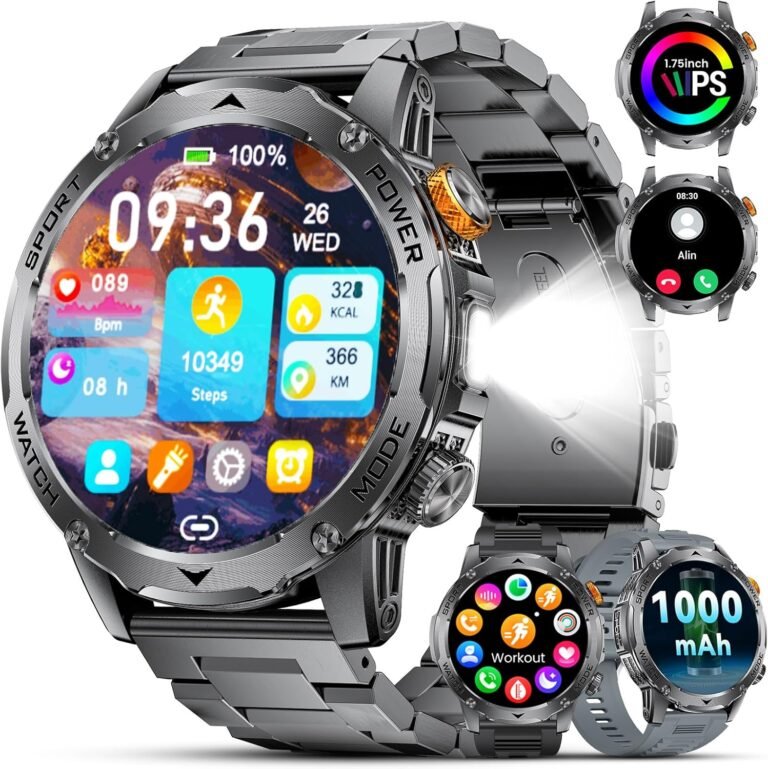
EF12 Military Smartwatch Review: 1000mAh Battery, 110+ Sports Modes, and IP68 Durability for 2026
Evaluate the EF12 smartwatch’s battery life, durability, and 110+ sports modes for 2026. Learn about its IP68 waterproofing, Android iOS compatibility, and…
-
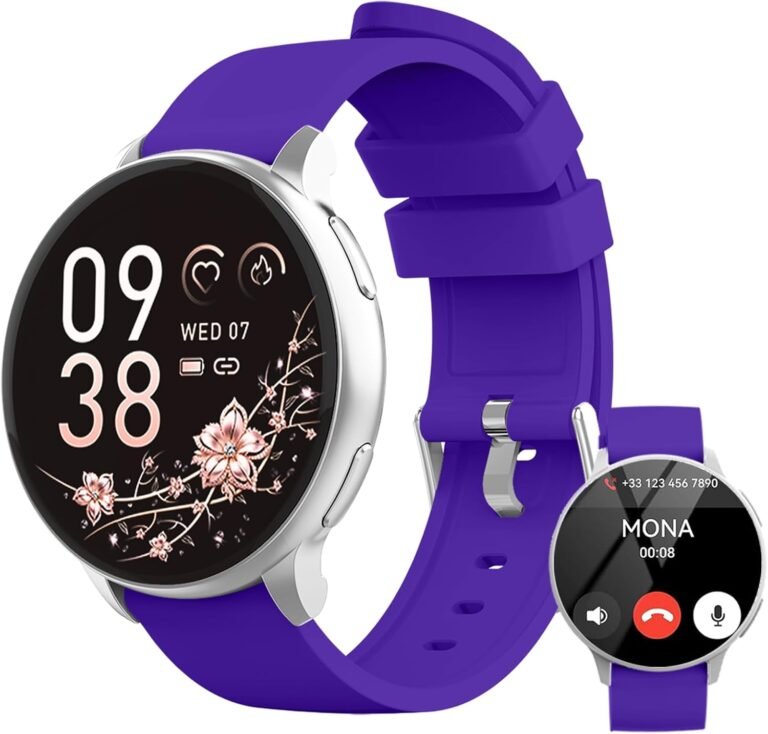
Smart Watch for Men Women Fitness Tracker with 100+ Sport Modes, Activity Trackers for iOS/Android Waterproof/Heart Rate/Sleep/Steps Monitor (Silver+Purple)
Evaluate the Smart Watch for Men Women Fitness Tracker’s health tracking, battery life, and compatibility. Discover its strengths for fitness enthusiasts and…
-

AI Smart Glasses with Camera: A 2026 Wearable Device Analysis
Evaluate the AI Smart Glasses with Camera for connectivity, data capture, and cross-platform compatibility. Discover its suitability for professionals and casual users…
-
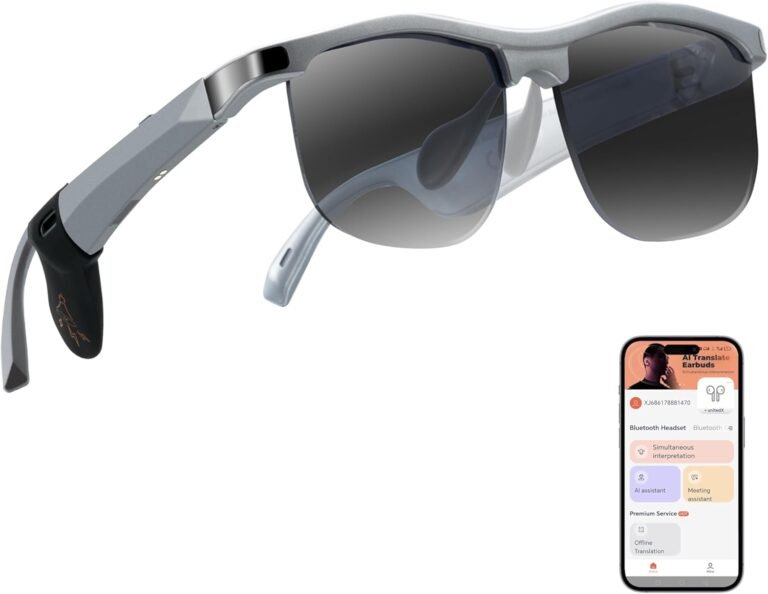
Smart Glasses with 160 Languages Translation for Travel and Work
Evaluate the translation accuracy, battery life, and comfort of these smart glasses. Ideal for travelers and professionals needing real-time language support and…
-
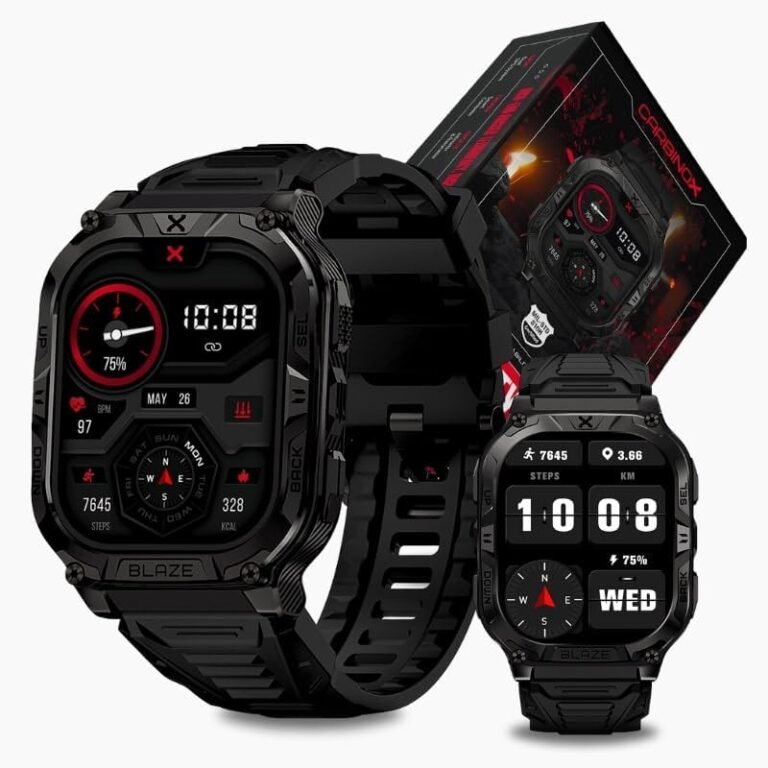
CARBINOX Blaze Smart Watch Review: Rugged Fitness Tracker with GPS, 170+ Sports Modes, and IP69K Waterproof Rating
Evaluate the Carbinox Blaze Smart Watch for rugged durability, GPS tracking, 170+ sports modes, and IP69K waterproof rating. Assess its health metrics,…
-
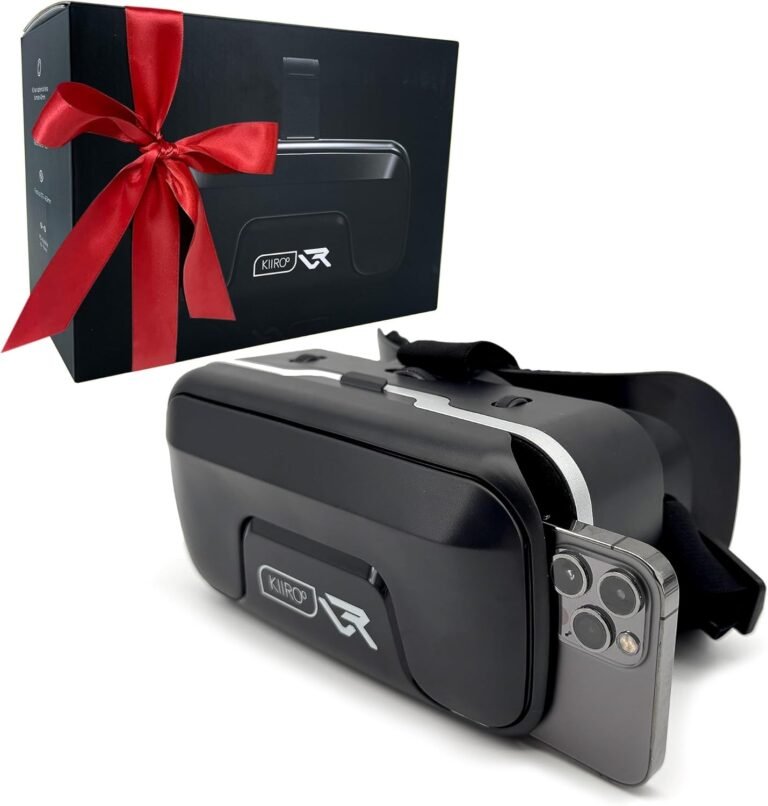
Kiiroo VR Headset for Phone: A Comprehensive 2026 Review of Compatibility, Comfort, and Performance
Evaluate the Kiiroo VR Headset for Phone’s compatibility, comfort, and performance for smartphone users in 2026. Discover its strengths and limitations for…