The Importance of Choosing the Right Wearable Device
In the fast-evolving landscape of wearable technology, selecting the right device can significantly impact personal health and fitness outcomes. With a growing emphasis on proactive health management, users seek devices that offer accurate tracking, intuitive interfaces, and seamless integration with their daily routines. The Fitbit Charge 5, a mid-tier fitness tracker, positions itself as a versatile tool for individuals aiming to monitor activity, sleep, and stress levels while maintaining a balance between functionality and affordability. This device caters to a broad audience, including fitness enthusiasts, busy professionals, and health-conscious individuals who prioritize data-driven insights without the complexities of a full smartwatch. Its design emphasizes comfort for extended wear, while its feature set addresses common user needs such as heart rate monitoring, GPS tracking, and stress management. As wearable technology continues to evolve, the Fitbit Charge 5 represents a strategic choice for users seeking a reliable, feature-rich device that aligns with their health goals and lifestyle demands.
Quick Overview
| Feature | Details |
|---|---|
| Device Category | Fitness tracker with built-in GPS |
| Supported Tracking Metrics | Activity, sleep, heart rate, stress, calories, steps, distance, elevation |
| Sensors and Hardware Components | EDA sensor, ECG app, 24/7 heart rate monitor, GPS, pedometer, sleep monitor |
| Battery Life Expectations | Up to 7 days with typical use, 12 hours with GPS |
| Platform Compatibility | Android, iOS |
| Intended User Profiles | Fitness enthusiasts, health-conscious individuals, busy professionals |
| Durability Ratings | Water-resistant (50 meters), sweat-resistant |
| Warranty and Software Support | 2-year limited warranty, regular software updates |
The Fitbit Charge 5’s feature set aligns with the needs of users prioritizing comprehensive health tracking without the complexity of a smartwatch. Its combination of sensors, tracking capabilities, and battery efficiency makes it a practical choice for those seeking reliable, data-driven insights into their daily activities and health metrics.

Activity and Health Tracking Capabilities
The Fitbit Charge 5 excels in providing detailed insights into physical activity and overall health, making it a compelling choice for users who prioritize data-driven fitness goals. Its advanced tracking features include 24/7 heart rate monitoring, which offers continuous feedback on cardiovascular health and helps users identify irregularities such as atrial fibrillation. The built-in GPS functionality allows for precise tracking of outdoor activities like running, cycling, and hiking, eliminating the need for a separate device. Additionally, the device’s sleep tracking capabilities monitor sleep stages, duration, and quality, providing users with actionable insights to improve rest and recovery. The integration of the EDA (electrodermal activity) sensor enables the measurement of stress levels, offering a unique perspective on mental well-being. These features collectively empower users to make informed decisions about their health and fitness routines, aligning with the growing demand for wearables that offer holistic health monitoring.

24/7 Heart Rate Monitoring
The Fitbit Charge 5’s 24/7 heart rate monitoring system employs photoplethysmography (PPG) technology to provide continuous, non-invasive tracking of heart rate variability (HRV). This feature is particularly valuable for users interested in cardiovascular health, as it allows for the detection of irregular heart rhythms and the assessment of stress levels. The device’s ability to measure HRV provides insights into autonomic nervous system activity, helping users understand how their body responds to physical and mental stimuli. While the accuracy of PPG-based heart rate tracking is generally reliable for most users, it may not match the precision of medical-grade ECG devices. However, for everyday health monitoring, the Charge 5’s heart rate data serves as a practical tool for tracking fitness progress and identifying potential health concerns.
GPS and Outdoor Activity Tracking
The built-in GPS functionality of the Fitbit Charge 5 is a significant advantage for users who engage in outdoor activities such as running, cycling, and hiking. This feature eliminates the need for a separate GPS device, streamlining the tracking process and ensuring accurate route and distance data. The GPS integration also enhances the device’s ability to provide real-time feedback on pace, elevation, and route navigation, making it ideal for fitness enthusiasts who rely on precise metrics to optimize their training. While GPS tracking consumes additional battery power, the device’s battery life remains sufficient for most users, with up to 12 hours of GPS usage on a single charge. This balance between functionality and battery efficiency makes the Charge 5 a practical choice for those who prioritize outdoor activity tracking without compromising on device longevity.
Sleep and Stress Monitoring
The Fitbit Charge 5’s sleep tracking capabilities offer detailed insights into sleep patterns, including stages of sleep (light, deep, REM), duration, and overall quality. This data helps users identify disruptions in their sleep cycles and make adjustments to improve rest and recovery. The device’s stress management tools, powered by the EDA sensor, provide real-time feedback on stress levels, allowing users to take proactive steps to manage their mental well-being. While the EDA sensor is effective for general stress monitoring, it may not capture the full complexity of stress-related physiological changes. Nonetheless, the integration of these features into a single wearable device makes the Charge 5 a valuable tool for users seeking to maintain a balance between physical activity, sleep, and mental health.
Sensor Accuracy and Data Reliability
The accuracy and reliability of a wearable device’s sensors are critical factors in determining its effectiveness for health and fitness tracking. The Fitbit Charge 5 employs a combination of advanced sensors, including the EDA sensor for stress monitoring, the PPG sensor for heart rate tracking, and the GPS module for location data. These sensors work in conjunction to provide users with comprehensive insights into their health metrics. However, the accuracy of these sensors can vary depending on factors such as device placement, environmental conditions, and user activity levels. For instance, the PPG sensor may occasionally produce inconsistent heart rate readings during intense physical activity, which could affect the reliability of cardiovascular data. Similarly, the EDA sensor’s ability to measure stress levels may be influenced by external factors such as temperature and humidity. Despite these limitations, the Charge 5’s sensor suite remains competitive within its price range, offering a practical balance between functionality and data accuracy.

PPG Sensor for Heart Rate Accuracy
The photoplethysmography (PPG) sensor in the Fitbit Charge 5 is designed to provide continuous heart rate monitoring, but its accuracy can be affected by various factors. While the sensor generally performs well under normal conditions, it may experience discrepancies during high-intensity activities or when the device is not worn correctly. For example, movement artifacts or poor contact between the sensor and the skin can lead to inaccurate readings. Additionally, the PPG sensor’s ability to detect atrial fibrillation (AFib) relies on the frequency and pattern of heartbeats, which may not always align with medical-grade ECG devices. Users should be aware that while the Charge 5’s heart rate data is useful for general fitness tracking, it may not replace professional medical diagnostics. Nonetheless, the sensor’s performance is sufficient for most everyday health monitoring needs.
EDA Sensor for Stress Monitoring
The electrodermal activity (EDA) sensor in the Fitbit Charge 5 provides a unique approach to stress monitoring by measuring changes in skin conductivity. This sensor is effective for identifying general stress levels, particularly during moments of heightened anxiety or mental exertion. However, the EDA sensor’s readings can be influenced by external factors such as environmental humidity, temperature, and even the user’s hydration levels. While the sensor offers valuable insights into stress patterns, it may not capture the full spectrum of stress-related physiological changes. For users seeking more comprehensive stress management tools, the Charge 5’s EDA sensor serves as a practical, albeit limited, option for monitoring mental well-being.
GPS Accuracy and Outdoor Tracking
The built-in GPS module in the Fitbit Charge 5 ensures accurate tracking of outdoor activities, providing users with precise data on distance, pace, and route. However, the accuracy of GPS tracking can be affected by environmental factors such as signal interference, dense foliage, or urban canyons. In such cases, the device may occasionally display minor discrepancies in location data, which could impact the reliability of route tracking. Additionally, GPS usage significantly drains the battery, reducing the device’s overall battery life. While the Charge 5’s GPS functionality is sufficient for most outdoor activities, users should be aware that it may not offer the same level of precision as dedicated GPS devices. Nevertheless, the integration of GPS into a fitness tracker makes the Charge 5 a convenient choice for users who prioritize outdoor activity tracking.
Comfort, Fit, and Wearability
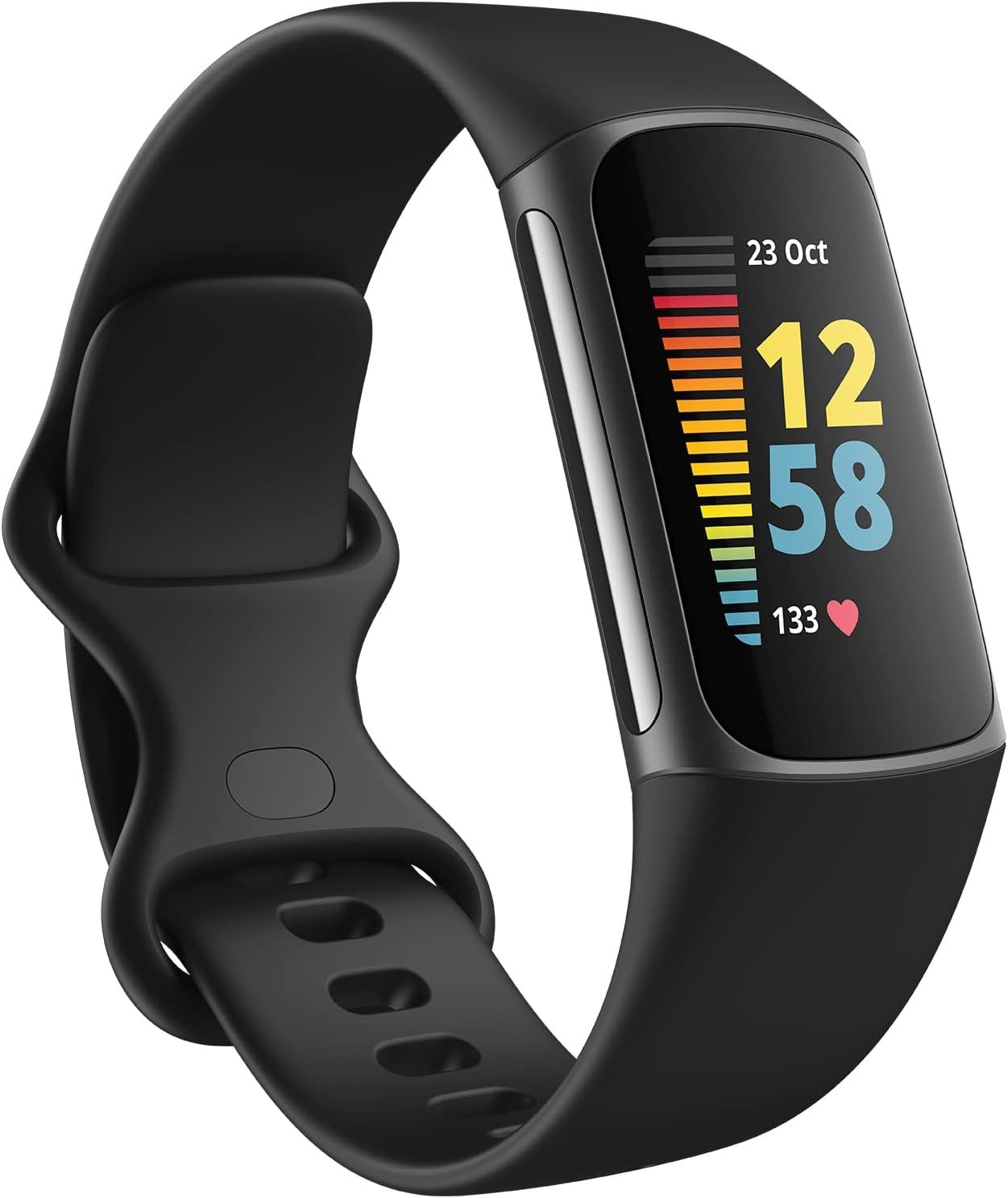
The comfort and wearability of a wearable device are essential considerations for users who intend to use it for extended periods. The Fitbit Charge 5 is designed with a focus on comfort, featuring a lightweight, rectangular shape that minimizes bulk on the wrist. Its 1.04-inch screen provides a clear display of health metrics without being overly intrusive. The device’s silicone band is flexible and conforms to the wrist, ensuring a secure fit during physical activities. However, the Charge 5’s design may not be suitable for users with larger wrists, as the band may feel tight or uncomfortable during prolonged wear. The device’s water resistance (50 meters) and sweat resistance make it suitable for use during workouts, but users should avoid submerging it in water beyond the specified limits. Overall, the Charge 5’s design balances comfort with functionality, making it a practical choice for most users.

Band Fit and Material Comfort
The Fitbit Charge 5’s silicone band is designed to offer a flexible, secure fit for most wrist sizes. The band’s material is soft and breathable, reducing the risk of skin irritation during extended wear. However, users with larger wrists may find the band too tight, as the device’s rectangular shape does not accommodate a wide range of wrist sizes. The inclusion of both a standard band and a sport band provides some customization options, allowing users to adjust the fit based on their preferences. While the band’s flexibility is a notable advantage, the lack of additional band sizes may limit the device’s appeal to users with unique wrist dimensions.
Weight and Material Durability
Weighing just 1.02 ounces, the Fitbit Charge 5 is one of the lighter fitness trackers on the market, making it comfortable for daily wear. The device’s lightweight design reduces the sensation of wearing a heavy device, which is particularly beneficial for users who engage in prolonged physical activities. The silicone band is durable and resistant to sweat, making it suitable for use during workouts. However, the device’s plastic casing may not be as durable as metal or reinforced materials, which could be a concern for users who prioritize long-term device longevity. Despite this, the Charge 5’s lightweight construction and water resistance make it a practical choice for most users.
Display and User Interface
The Fitbit Charge 5’s 1.04-inch screen provides a clear, easy-to-read display for health metrics and notifications. The screen’s brightness and contrast are sufficient for most indoor and outdoor environments, although it may struggle in direct sunlight. The user interface is intuitive, with a straightforward layout that allows users to access key metrics such as heart rate, steps, and sleep data with minimal effort. However, the screen’s small size may make it challenging to read certain details, particularly for users with visual impairments. The device’s reliance on touch gestures for navigation is functional but may not offer the same level of responsiveness as a traditional smartwatch. Overall, the Charge 5’s display and interface are adequate for its intended use, though there is room for improvement in terms of readability and interaction.
Battery Life and Charging Expectations
Battery life is a critical factor for wearable devices, as it directly impacts the user’s ability to track health and fitness data consistently. The Fitbit Charge 5 offers a battery life of up to 7 days with typical use, which is competitive within its price range. However, the battery life decreases significantly when the device is used with GPS, which can drain the battery in as little as 12 hours. This trade-off is a common challenge for fitness trackers that incorporate GPS functionality, as the additional power consumption is necessary for accurate outdoor activity tracking. The device’s charging process is straightforward, with a magnetic charging dock that allows for quick and convenient recharging. While the battery life is generally sufficient for most users, those who rely heavily on GPS or frequent use may need to charge the device more frequently. Overall, the Charge 5’s battery life strikes a balance between functionality and usability, making it a practical choice for most users.
Daily Usage Battery Life
Under normal usage conditions, the Fitbit Charge 5 can last up to 7 days, which is a significant advantage for users who prefer a device that requires minimal charging. This battery life is achieved by optimizing the device’s power consumption through features such as automatic screen dimming and background data processing. However, the battery life may vary depending on the user’s activity level and the frequency of notifications. For example, users who frequently check their device or engage in high-intensity activities may experience a shorter battery life. The Charge 5’s battery efficiency is generally reliable, making it a suitable choice for users who prioritize long-term wear without frequent recharging.
GPS Usage and Battery Drain
The built-in GPS functionality of the Fitbit Charge 5 significantly impacts battery life, reducing it to approximately 12 hours of continuous use. This is a necessary trade-off for users who rely on accurate outdoor activity tracking, as GPS consumes a substantial amount of power. While the device’s battery life is sufficient for most outdoor activities, users who frequently engage in GPS-based tracking may need to recharge the device more often. The Charge 5’s battery management system helps to optimize power consumption, but the reliance on GPS for extended periods can still be a limiting factor for some users. Despite this, the GPS functionality remains a valuable feature for those who prioritize outdoor activity tracking.
Charging Process and Convenience
The Fitbit Charge 5’s charging process is designed to be quick and convenient, utilizing a magnetic charging dock that allows for easy attachment and detachment. The device’s battery can be fully charged in approximately 2 hours, which is a reasonable time frame for most users. However, the lack of a USB-C port may be a drawback for users who prefer a more universal charging solution. The device’s charging efficiency is generally reliable, though users should be mindful of the charging environment to ensure optimal battery performance. Overall, the Charge 5’s charging process is straightforward and user-friendly, making it a practical choice for most users.
Device Compatibility and Ecosystem Integration
The Fitbit Charge 5’s compatibility with various platforms and its integration with the broader Fitbit ecosystem are important considerations for users who rely on seamless device synchronization. The device is compatible with both Android and iOS operating systems, allowing for cross-platform use. However, the integration with third-party applications and services may be limited, as the Charge 5 does not support the full range of features available on the Fitbit app. The device’s ability to sync data with the Fitbit app provides users with a centralized hub for tracking health metrics, but the lack of advanced customization options may be a drawback for power users. Additionally, the Charge 5’s reliance on the Fitbit ecosystem means that users who prefer alternative health and fitness platforms may find the device less versatile. Despite these limitations, the Charge 5’s compatibility and integration with the Fitbit app make it a practical choice for most users.
Cross-Platform Compatibility
The Fitbit Charge 5 is designed to work seamlessly with both Android and iOS devices, offering users a flexible choice for platform preferences. This cross-platform compatibility ensures that users can sync their health data and receive notifications regardless of their smartphone operating system. However, the device’s functionality may be slightly limited on iOS compared to Android, as some advanced features are exclusive to the Android version of the Fitbit app. Users who rely on iOS may need to be aware of these limitations when using the Charge 5. Despite this, the device’s ability to sync with both platforms makes it a versatile option for a wide range of users.
Fitbit App Integration
The Fitbit Charge 5’s integration with the Fitbit app is a key aspect of its usability, providing users with a centralized platform for tracking health metrics and managing their fitness goals. The app offers detailed insights into activity, sleep, and heart rate data, allowing users to set goals, monitor progress, and receive personalized recommendations. However, the app’s interface may be overwhelming for users who prefer a more streamlined experience, as it includes a wide range of features and data points. Additionally, the app’s compatibility with third-party services is limited, which may be a drawback for users who prefer to integrate their health data with other platforms. Despite these limitations, the Fitbit app remains a valuable tool for users who want to maximize the functionality of the Charge 5.
Third-Party App Support
The Fitbit Charge 5’s support for third-party applications is relatively limited compared to more advanced smartwatches, as the device primarily relies on the Fitbit app for data synchronization and feature management. While the device can sync with some third-party fitness platforms, the integration is not as seamless as with the Fitbit app. Users who prefer to use alternative health and fitness platforms may find the Charge 5 less versatile, as it lacks the advanced customization options available on other devices. However, the Charge 5’s compatibility with the Fitbit ecosystem makes it a practical choice for users who are already invested in the Fitbit platform.
Durability and Environmental Resistance
The durability and environmental resistance of a wearable device are important factors for users who engage in physical activities or live in harsh conditions. The Fitbit Charge 5 is designed with a focus on water resistance, offering protection against sweat, rain, and incidental water exposure. However, it is not fully waterproof and should not be submerged in water beyond the specified limits. The device’s build quality is generally robust, with a plastic casing that provides adequate protection against everyday wear and tear. While the Charge 5 is suitable for most daily activities, users who engage in extreme sports or outdoor activities may find the device less durable compared to more rugged alternatives. The device’s reliance on a silicone band for comfort also means that it is not as durable as devices with more rigid or reinforced materials. Despite these limitations, the Charge 5’s design and materials make it a practical choice for most users.
Water Resistance and Environmental Protection
The Fitbit Charge 5 is rated for water resistance up to 50 meters, making it suitable for use during swimming, rain, and sweat-based activities. However, it is not fully waterproof and should not be submerged in water beyond the specified limits. This level of water resistance is adequate for most daily activities, including workouts and light swimming, but users who engage in deep-sea diving or prolonged underwater activities should avoid using the device. The device’s water-resistant casing is designed to withstand incidental exposure to water, but it is not intended for use in extreme aquatic environments. This limitation is a common trade-off for devices that prioritize comfort and flexibility over full waterproofing.
Build Quality and Material Durability
The Fitbit Charge 5’s build quality is generally robust, with a plastic casing that provides adequate protection against everyday wear and tear. The device’s lightweight design and flexible silicone band make it comfortable for extended wear, but the plastic material may not be as durable as metal or reinforced alternatives. Users who engage in high-impact activities or extreme sports may find the Charge 5 less durable compared to more rugged devices. The device’s reliance on a silicone band for comfort also means that it is not as durable as devices with more rigid or reinforced materials. Despite these limitations, the Charge 5’s build quality is sufficient for most users who prioritize comfort and functionality over extreme durability.
Longevity and Wear and Tear
The Fitbit Charge 5’s longevity is influenced by factors such as usage patterns, environmental conditions, and maintenance practices. The device’s water resistance and durable materials help it withstand typical wear and tear, but users should avoid exposing it to extreme temperatures or harsh chemicals. The silicone band is resistant to sweat and moisture, making it suitable for use during workouts, but it may degrade over time with prolonged exposure to UV light or extreme heat. The device’s battery life and software updates also play a role in its long-term usability, as regular maintenance and firmware updates can extend its lifespan. Overall, the Charge 5’s design and materials make it a practical choice for most users who prioritize comfort and functionality over extreme durability.
Pros & Cons
Pros
- Comprehensive Health Tracking: The Fitbit Charge 5 offers detailed insights into activity, sleep, heart rate, and stress levels, making it a versatile tool for health monitoring.
- Built-in GPS: The device’s GPS functionality provides accurate tracking for outdoor activities without the need for a separate device.
- 24/7 Heart Rate Monitoring: Continuous heart rate tracking helps users monitor cardiovascular health and detect irregularities like AFib.
- Stress Management Tools: The EDA sensor enables real-time stress level monitoring, offering users a unique perspective on mental well-being.
- Lightweight and Comfortable Design: The device’s lightweight construction and flexible silicone band make it comfortable for extended wear.
- Water Resistance: The 50-meter water resistance rating ensures the device is suitable for use during workouts and light swimming.
- Seamless App Integration: The Fitbit app provides a centralized hub for tracking health metrics and managing fitness goals.
- Battery Efficiency: The device offers up to 7 days of battery life with typical use, reducing the need for frequent charging.
Cons
- Limited Third-Party App Support: The Charge 5’s compatibility with third-party applications is relatively limited, restricting its versatility for users who prefer alternative platforms.
- GPS Battery Drain: The built-in GPS functionality significantly reduces battery life, requiring frequent recharging for extended outdoor use.
- Narrow Band Fit: The device’s silicone band may not accommodate larger wrist sizes, potentially leading to discomfort during prolonged wear.
- Screen Readability: The 1.04-inch screen may be challenging to read in bright environments, affecting the user experience for some.
- Limited Durability: The device’s plastic casing and silicone band may not be as durable as more rugged alternatives, making it less suitable for extreme environments.
- No USB-C Charging: The reliance on a magnetic charging dock may be inconvenient for users who prefer a more universal charging solution.
Final Verdict: Who This Wearable Is Best For (and Who Should Skip It)
The Fitbit Charge 5 is an excellent choice for users who prioritize comprehensive health tracking, outdoor activity monitoring, and a balance between functionality and comfort. It is particularly well-suited for fitness enthusiasts who engage in regular physical activity and seek detailed insights into their health metrics. The device’s built-in GPS, 24/7 heart rate monitoring, and stress management tools make it a practical option for individuals who want to maintain a holistic approach to their well-being. Additionally, its lightweight design and water resistance make it ideal for daily use, including workouts and light swimming. However, the Charge 5 may not be the best fit for users who require advanced customization options, prefer full waterproofing, or rely on third-party fitness platforms. Its limited third-party app support and GPS battery drain are notable drawbacks for those who prioritize versatility and extended battery life. Overall, the Fitbit Charge 5 is a reliable and feature-rich device that caters to a broad range of users, making it a strong contender in the mid-tier fitness tracker market.
Frequently Asked Questions (FAQs)
What health metrics does the Fitbit Charge 5 track?
The Fitbit Charge 5 tracks a variety of health metrics including activity levels, sleep quality, heart rate, stress levels, calories burned, steps taken, distance covered, and elevation gained. It also includes a built-in GPS for outdoor activity tracking.
How accurate is the heart rate monitoring on the Fitbit Charge 5?
The Charge 5 uses photoplethysmography (PPG) to monitor heart rate continuously. While generally reliable for most users, it may occasionally produce inconsistent readings during intense physical activity or if the device is not worn correctly. It is suitable for general health monitoring but may not replace medical-grade ECG devices.
Can the Fitbit Charge 5 be used for swimming?
The Fitbit Charge 5 is water-resistant up to 50 meters, making it suitable for use during swimming and light water activities. However, it is not fully waterproof and should not be submerged in water beyond the specified limits.
How long does the battery last on the Fitbit Charge 5?
Under typical use, the Fitbit Charge 5 offers up to 7 days of battery life. However, GPS usage can significantly reduce this to approximately 12 hours of continuous use, requiring more frequent charging for extended outdoor activities.
Is the Fitbit Charge 5 compatible with both Android and iOS?
Yes, the Fitbit Charge 5 is compatible with both Android and iOS operating systems, allowing users to sync their health data and receive notifications regardless of their smartphone platform.
What are the limitations of the Fitbit Charge 5’s third-party app support?
The Charge 5 has limited support for third-party applications, primarily relying on the Fitbit app for data synchronization and feature management. Users who prefer alternative health and fitness platforms may find the device less versatile compared to more advanced smartwatches.
How does the Fitbit Charge 5 handle stress monitoring?
The Charge 5 uses an electrodermal activity (EDA) sensor to measure stress levels, providing real-time feedback on mental well-being. While it offers valuable insights into general stress patterns, it may not capture the full complexity of stress-related physiological changes.
What are the comfort considerations for wearing the Fitbit Charge 5?
The Charge 5 features a lightweight design and a flexible silicone band for comfort, making it suitable for most wrist sizes. However, users with larger wrists may find the band too tight, and the device’s plastic casing may not be as durable as more rugged alternatives.