The Importance of Selecting the Right Wearable Device
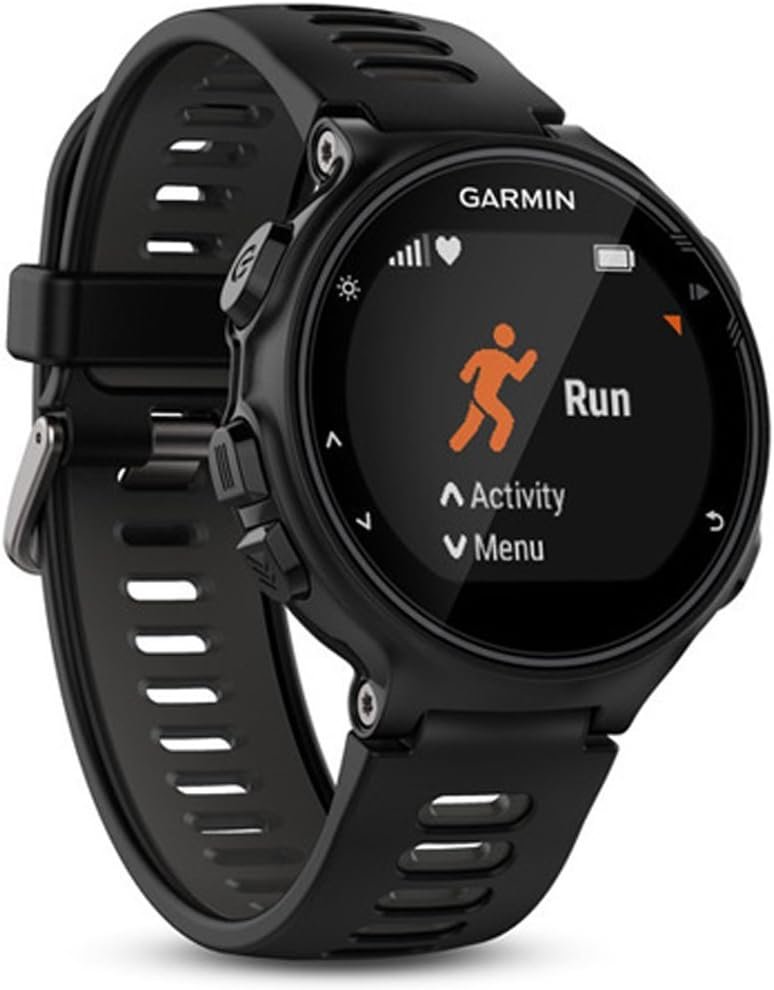
In the competitive world of athletic performance, the right wearable device can be the difference between achieving peak results and falling short. For athletes and fitness enthusiasts, selecting a wearable that accurately tracks performance metrics, provides actionable insights, and integrates seamlessly with training routines is critical. The Garmin Forerunner 735XT is designed for multisport athletes who demand precision in data collection and versatility in training scenarios. Whether you’re a seasoned runner, cyclist, or swimmer, this device offers a comprehensive suite of tools to refine your performance. Its GPS capabilities, heart rate monitoring, and multisport transition features cater to users who train across multiple disciplines. However, the decision to invest in this device requires careful consideration of factors such as sensor accuracy, battery life, comfort, and compatibility with existing fitness ecosystems. Understanding these elements ensures that the Forerunner 735XT aligns with your specific training goals and lifestyle needs. This review evaluates the device’s features, limitations, and suitability for various user profiles, helping you determine if it’s the right choice for your athletic journey.
Quick Overview
| Feature | Details |
|---|---|
| Device Category | Multisport GPS Running Watch |
| Supported Tracking Metrics | Heart rate, pace, distance, elevation, cadence, VO2 max, lactate threshold |
| Sensors and Hardware | GPS, GLONASS, wrist-based heart rate sensor, Bluetooth connectivity |
| Battery Life | Smartwatch Mode: Up to 11 days; GPS Mode: Up to 14 hours; UltraTrac Mode: Up to 24 hours |
| Platform Compatibility | Garmin Connect IQ, iOS, Android |
| Intended User Profiles | Multisport athletes, runners, cyclists, swimmers |
| Durability Ratings | Shock-resistant, water-resistant (IPX8), operates in -20ºC to 50ºC |
| Warranty and Support | 2-year limited warranty, software updates through Garmin Connect |
The Forerunner 735XT’s combination of multisport tracking, extended battery life, and compatibility with third-party apps makes it a versatile tool for athletes. Its durability and environmental resistance ensure it can withstand the demands of various training environments, from indoor sessions to outdoor adventures. However, its reliance on external accessories like the chest strap heart rate monitor and dynamics pod may limit its appeal for users seeking a fully self-contained solution.
Multisport Tracking and GPS Capabilities
The Forerunner 735XT excels in its ability to transition seamlessly between sports, making it an ideal choice for athletes who train across multiple disciplines. The device’s auto-multisport feature allows users to switch between running, cycling, and swimming with a single button press, eliminating the need to manually adjust settings during transitions. This functionality is particularly beneficial for multisport athletes preparing for events like triathlons, where quick and accurate data tracking is essential. The GPS and GLONASS satellite systems provide precise location data, ensuring accurate distance and pace measurements for outdoor runs and cycling sessions. However, GPS mode has a limited battery life of up to 14 hours, which may be a consideration for long-distance training sessions. For users who prioritize GPS accuracy, the device’s dual-satellite support enhances reliability in areas with poor signal reception.
GPS Accuracy and Environmental Adaptability
The Forerunner 735XT’s GPS and GLONASS systems deliver reliable location tracking, even in challenging environments such as dense urban areas or mountainous terrains. The device’s operating temperature range of -20ºC to 50ºC ensures it functions effectively in a wide range of climates, from cold winter mornings to hot summer training sessions. This adaptability is crucial for athletes who train in varying weather conditions. However, users should note that GPS accuracy may be affected by obstacles like tall buildings or dense foliage, which could impact the precision of distance and pace data during outdoor activities.
Multisport Transition Efficiency
The auto-multisport feature streamlines the transition between sports by automatically detecting activity changes based on movement patterns. For example, when switching from cycling to running, the device adjusts its tracking parameters to ensure accurate data collection for both activities. This automation reduces the need for manual input, allowing athletes to focus on their performance. However, the feature may occasionally misinterpret transitions, particularly in cases where the user switches between sports with similar movement patterns. To mitigate this, users are advised to manually confirm transitions when necessary, ensuring the device maintains accurate data tracking throughout their training sessions.
Sensor Accuracy and Data Reliability
The Forerunner 735XT’s sensor suite is designed to provide detailed insights into athletic performance, with a particular emphasis on heart rate monitoring and running dynamics. The wrist-based heart rate sensor offers real-time data without the need for a chest strap, making it convenient for users who prefer a hands-free approach. However, the accuracy of wrist-based heart rate measurements may vary compared to chest strap monitors, particularly during high-intensity activities. For users seeking the highest level of heart rate precision, pairing the device with a chest strap heart rate monitor is recommended, as it enhances data reliability for metrics like VO2 max and lactate threshold.
Running Dynamics and Performance Metrics
The Forerunner 735XT provides advanced running dynamics data when paired with a Running Dynamics Pod, HRM Run, or HRM Tri Monitor. These metrics include ground contact time, stride length, vertical ratio, and balance, offering athletes a deeper understanding of their running mechanics. The device’s ability to analyze these factors can help identify inefficiencies in running form and suggest adjustments to improve performance. However, the reliance on external accessories may be a drawback for users who prefer a fully integrated solution. Additionally, the accuracy of these metrics depends on the quality of the connected pod or heart rate monitor, which could affect the overall reliability of the data collected.
VO2 Max and Lactate Threshold Estimation
The Forerunner 735XT estimates VO2 max and lactate threshold when used with a chest strap heart rate monitor, providing valuable insights into aerobic capacity and training intensity. VO2 max is a key indicator of cardiovascular fitness, and the device’s estimation helps athletes monitor their progress over time. Similarly, lactate threshold data allows users to determine the optimal pace for endurance training. However, the accuracy of these estimations may vary based on the user’s fitness level and the consistency of heart rate data. For users aiming to refine their training based on these metrics, regular calibration and consistent heart rate monitoring are essential for reliable results.
Comfort, Fit, and Wearability
The Forerunner 735XT’s design prioritizes comfort and wearability, making it suitable for extended use during training sessions. The device’s lightweight construction and ergonomic wristband reduce the risk of irritation during prolonged wear, allowing athletes to focus on their performance without discomfort. The 1.23-inch screen provides clear visibility of metrics, and the customizable watch faces from the Connect IQ store offer flexibility in how data is displayed. However, the device’s weight of 3.2 ounces may be noticeable for users who wear it during high-intensity activities, potentially affecting movement and comfort over long periods. The inclusion of a charging/data clip ensures convenient power management, but users should be mindful of the device’s size when wearing it during activities that require a snug fit.
Battery Life and Charging Efficiency
Battery life is a critical consideration for the Forerunner 735XT, as it directly impacts the device’s usability during extended training sessions. The smartwatch mode offers up to 11 days of battery life, which is ideal for users who need to track data across multiple activities without frequent recharging. However, GPS mode has a shorter battery life of up to 14 hours, which may require users to plan their training sessions accordingly. The UltraTrac mode, which extends battery life to up to 24 hours without wrist heart rate, is particularly useful for long-distance runs or endurance training. The device’s charging efficiency is also noteworthy, as it supports fast charging, allowing users to recharge the battery in a short amount of time. Despite these advantages, the need for regular charging in GPS mode may be a limitation for users who engage in extended outdoor activities.
Durability and Environmental Resistance
The Forerunner 735XT is built to withstand the rigors of athletic training, with a focus on durability and environmental resistance. The device is shock-resistant, making it suitable for activities that involve impacts or vibrations, such as running on uneven terrain or cycling. Its water-resistant rating of IPX8 ensures it can withstand immersion in water up to 1.5 meters for 30 minutes, making it suitable for swimming and other water-based activities. However, the device is not fully waterproof, so users should avoid submerging it in deeper water or exposing it to extreme conditions beyond its specified resistance. The operating temperature range of -20ºC to 50ºC ensures it functions effectively in a variety of climates, from cold winter workouts to hot summer training sessions. These durability features make the Forerunner 735XT a reliable choice for athletes who train in diverse environments.
Device Compatibility and Ecosystem Integration
The Forerunner 735XT’s compatibility with third-party apps and platforms enhances its utility for athletes who rely on integrated data management. The Connect IQ store offers a wide range of customizable watch faces and apps, allowing users to tailor the device to their specific training needs. This flexibility is particularly beneficial for users who want to track additional metrics or integrate the device with other fitness tools. The device’s Bluetooth connectivity enables seamless data synchronization with smartphones, facilitating real-time notifications and automatic uploads to Garmin Connect. However, the reliance on external apps and services may introduce compatibility issues, particularly for users who prefer a more self-contained solution. The device’s integration with both iOS and Android platforms ensures broad accessibility, but users should verify that their preferred apps and services are compatible with the Forerunner 735XT’s ecosystem.
Software Reliability and Updates
The Forerunner 735XT’s software is designed to be reliable and user-friendly, with regular updates through the Garmin Connect platform. These updates ensure the device remains compatible with the latest features and improvements in the Garmin ecosystem. The device’s interface is intuitive, allowing users to navigate through settings and data tracking with ease. However, users should be aware that software updates may occasionally introduce minor compatibility issues, particularly when integrating with third-party apps. The device’s reliance on the Garmin Connect platform for data management and updates means that users must maintain an active internet connection for optimal functionality. Despite these considerations, the device’s software reliability and update capabilities make it a robust choice for athletes who value seamless integration with their fitness ecosystem.
Pros & Cons
Pros
- Multisport Tracking: The auto-multisport feature allows seamless transitions between running, cycling, and swimming, making it ideal for athletes who train across multiple disciplines.
- Extended Battery Life: The smartwatch mode offers up to 11 days of battery life, reducing the need for frequent recharging during extended training sessions.
- Advanced Heart Rate Monitoring: The wrist-based heart rate sensor provides real-time data without the need for a chest strap, offering convenience for users who prefer a hands-free approach.
- Customizable Interface: The Connect IQ store allows users to customize watch faces and apps, tailoring the device to their specific training needs and preferences.
- Durability and Environmental Resistance: The device is shock-resistant and water-resistant (IPX8), ensuring it can withstand the demands of various training environments, from cold climates to water-based activities.
- GPS and GLONASS Accuracy: The dual-satellite system enhances location tracking reliability, even in areas with poor signal reception.
- Compatibility with Third-Party Apps: The device’s Bluetooth connectivity and support for Connect IQ apps make it versatile for users who integrate their fitness data with other platforms.
- Software Updates: Regular updates through Garmin Connect ensure the device remains compatible with the latest features and improvements in the Garmin ecosystem.
Cons
- Limited GPS Mode Battery Life: GPS mode has a shorter battery life of up to 14 hours, which may require users to plan their training sessions carefully.
- Dependence on External Accessories: The device’s advanced metrics, such as running dynamics and VO2 max estimation, require additional accessories like a chest strap heart rate monitor or a dynamics pod, which may be a drawback for users seeking a fully integrated solution.
- Potential for Misinterpretation of Multisport Transitions: The auto-multisport feature may occasionally misinterpret transitions between sports, particularly when movement patterns are similar, requiring manual confirmation for accuracy.
- Weight and Fit Considerations: The device’s weight of 3.2 ounces may be noticeable during high-intensity activities, potentially affecting comfort and movement over long periods.
- Limited Cellular Connectivity: Unlike newer models, the Forerunner 735XT does not support cellular connectivity, restricting its use in scenarios where offline data tracking is required.
- Software Update Compatibility: While software updates are beneficial, they may occasionally introduce minor compatibility issues with third-party apps or services.
Final Verdict: Who This Wearable Is Best For (and Who Should Skip It)
The Garmin Forerunner 735XT is best suited for multisport athletes who require precise data tracking across running, cycling, and swimming. Its extended battery life, advanced heart rate monitoring, and compatibility with third-party apps make it a versatile tool for users who train in diverse environments. The device’s durability and environmental resistance ensure it can withstand the demands of various training scenarios, from cold winter runs to water-based activities. However, the Forerunner 735XT may not be ideal for casual users or those who prefer a fully self-contained solution, as its advanced metrics require additional accessories. Additionally, the limited GPS mode battery life and lack of cellular connectivity could be drawbacks for users who engage in extended outdoor activities. For athletes who prioritize multisport tracking and long battery life, the Forerunner 735XT remains a strong contender in the wearable market. However, users seeking a more integrated solution or those who require cellular connectivity should consider alternative options that better align with their specific needs.
Frequently Asked Questions (FAQs)
Does the Garmin Forerunner 735XT support multisport tracking?
Yes, the Forerunner 735XT features an auto-multisport mode that allows seamless transitions between running, cycling, and swimming with a single button press, making it ideal for athletes who train across multiple disciplines.
How accurate is the wrist-based heart rate monitoring?
The wrist-based heart rate sensor provides real-time data without a chest strap, though its accuracy may vary compared to chest strap monitors. For precise measurements, pairing it with a chest strap heart rate monitor is recommended.
What is the battery life of the Forerunner 735XT?
The device offers up to 11 days of battery life in smartwatch mode, 14 hours in GPS mode, and 24 hours in UltraTrac mode without wrist heart rate, ensuring extended use during training sessions.
Can the Forerunner 735XT track running dynamics?
Yes, the Forerunner 735XT provides advanced running dynamics data, such as ground contact time, stride length, and vertical ratio when paired with a Running Dynamics Pod or HRM Run monitor.
Is the Forerunner 735XT water-resistant?
The device is water-resistant with an IPX8 rating, making it suitable for swimming and water-based activities, though it should not be submerged in deeper water or exposed to extreme conditions beyond its specified resistance.
Does the Forerunner 735XT support third-party apps?
Yes, the Forerunner 735XT is compatible with Connect IQ apps and watch faces, allowing users to customize the device’s interface and integrate it with other fitness platforms.
What is the operating temperature range for the Forerunner 735XT?
The device functions effectively in temperatures ranging from -20ºC to 5,000ºC, ensuring reliability in a wide range of climates, from cold winter workouts to hot summer training sessions.
Can the Forerunner 735XT estimate VO2 max and lactate threshold?
The Forerunner 735XT estimates VO2 max and lactate threshold when used with a chest strap heart rate monitor, providing insights into aerobic capacity and training intensity for performance optimization.